A burial plot becomes a building site
A mausoleum has to do more than mark a grave: it must safely hold a body or casket inside a lasting structure. That changes the work from preparing one plot of earth to designing a building. Architects and engineers may need to account for the site’s soil, drainage, the weight of stone and masonry, and how visitors will enter and move through the space.
The foundation is part of that calculation. A heavy stone structure can settle or crack if the ground beneath it is unstable or water collects around it. Choosing and preparing a suitable site therefore affects both the design and the construction budget.
The price depends on who shares the structure
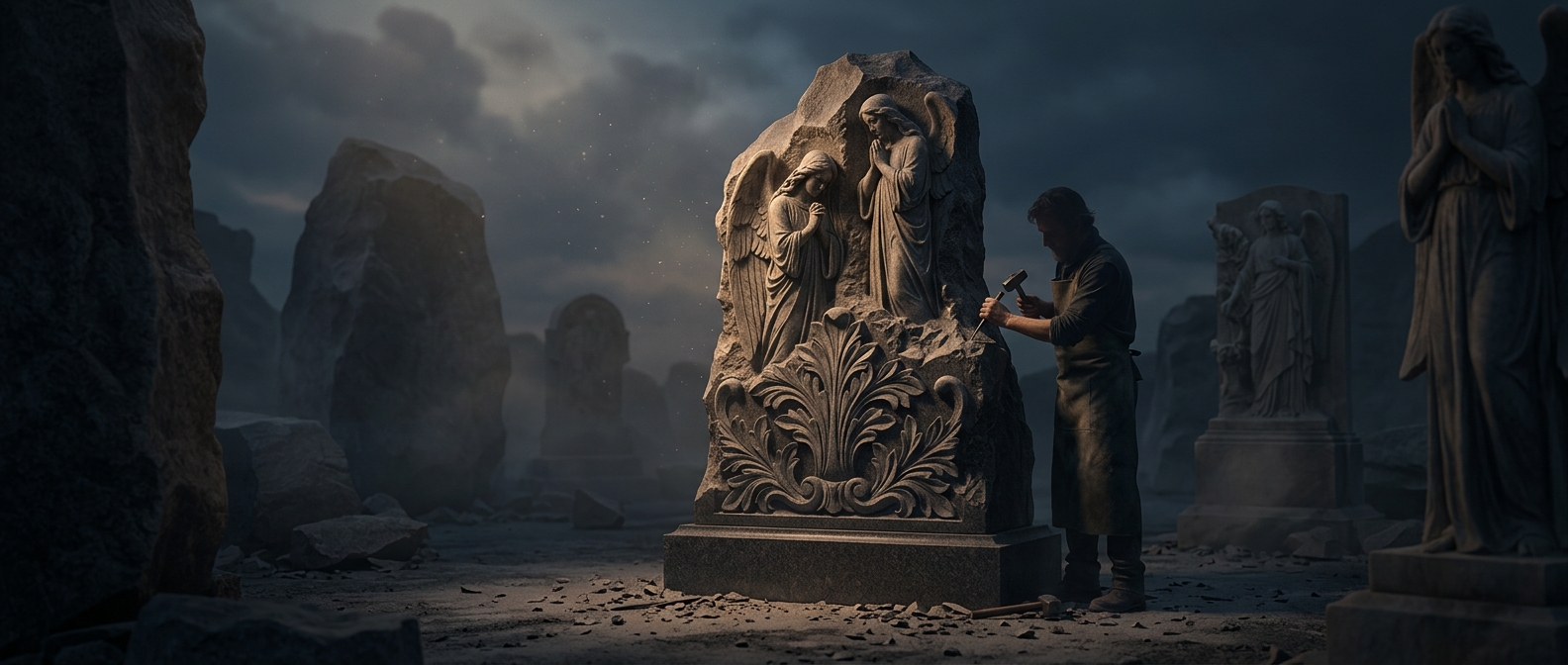
A private family mausoleum concentrates the costs of design, foundations, materials, and construction on a small number of burials. A larger community mausoleum can spread those costs across many crypts—built-in spaces that hold caskets—but it still needs a substantial structure and ongoing care. In either case, durable stone and skilled masonry make the project more like a small building commission than a routine grave opening.
That changes the tradeoff. Above-ground burial can provide a permanent, enclosed place for remembrance, but it requires more upfront construction than setting aside a grave. The visible tomb is only the finish: beneath it is a foundation, a building plan, and a bill shaped by how much structure each burial must support.