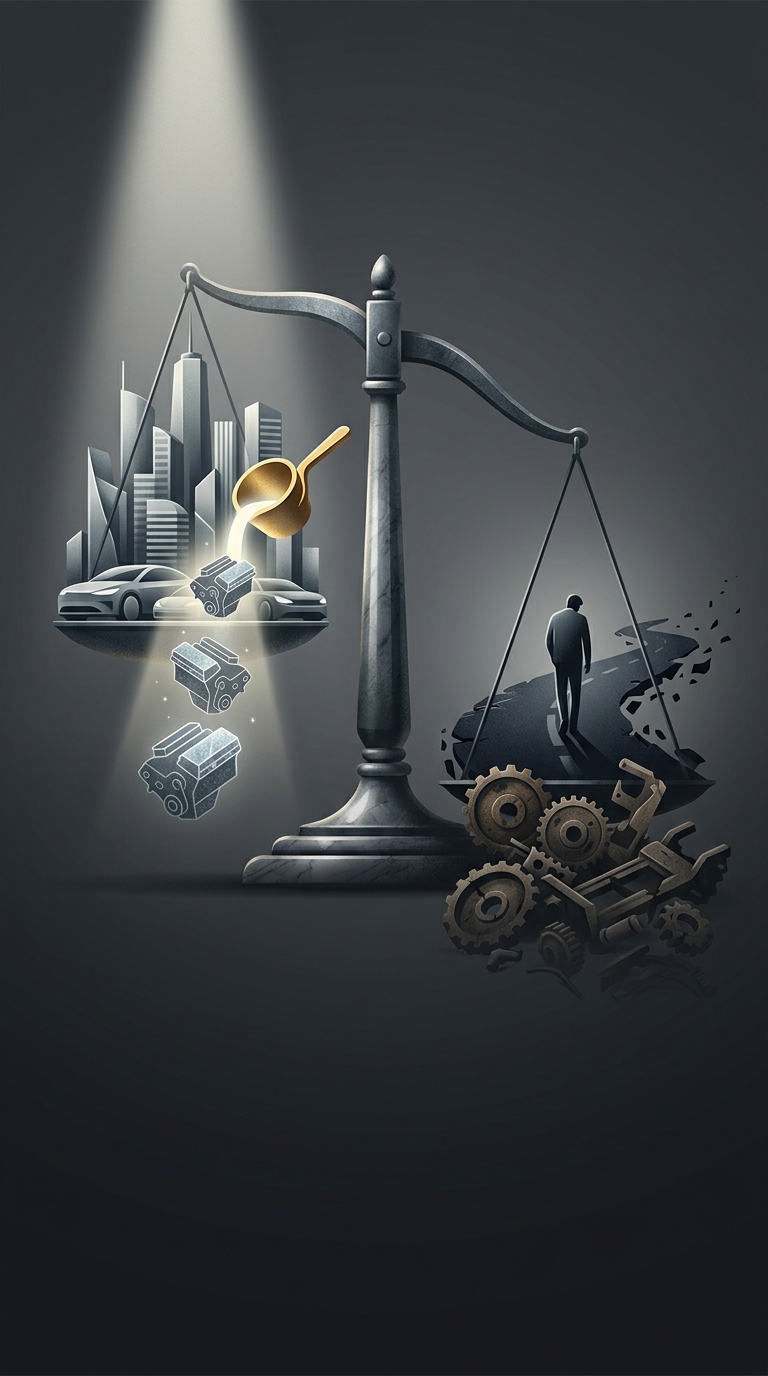
Why Cash for Clunkers Destroyed the Trade-In
The 2009 Cash for Clunkers program was designed to do two things at once: give consumers a reason to buy a new vehicle and take older, less fuel-efficient cars off the road. The government incentive—up to $4,500—reduced the price a buyer faced at the dealership. That could make a purchase feel affordable sooner, directing spending toward new-car sales during a weak economy.
But simply accepting an old vehicle as a trade-in would not guarantee it stayed off the road. A dealer or salvage buyer could repair it and sell it to someone else, leaving the program with a new sale but no lasting reduction in the number of older cars being driven. So the trade-in had to be made unusable as a vehicle.
How Liquid Glass Seized an Engine
Workers used liquid sodium silicate, often called liquid glass, to wreck the engine. They poured it into the engine’s oil system and ran the motor. Oil normally lubricates moving parts and carries away heat; the silicate cannot do that job. As the engine ran, friction and heat damaged its internal parts until it seized—meaning they could no longer move as intended.
That step turned the trade-in from a potentially resalable used car into scrap. The destruction was not incidental to the rebate: it was the mechanism meant to ensure the old vehicle would not return to the market.
The Trade-Off Behind the Incentive
The policy linked a short-term economic goal—encouraging car purchases—to an environmental one: replacing less-efficient vehicles with newer models. Yet scrapping a functioning car also discarded the value and materials already invested in it, and the buyer still had to choose and finance a replacement. The subsidy changed the purchase calculation; the engine destruction determined what happened to the old car.