Why Hallstatt’s setting is hard to absorb
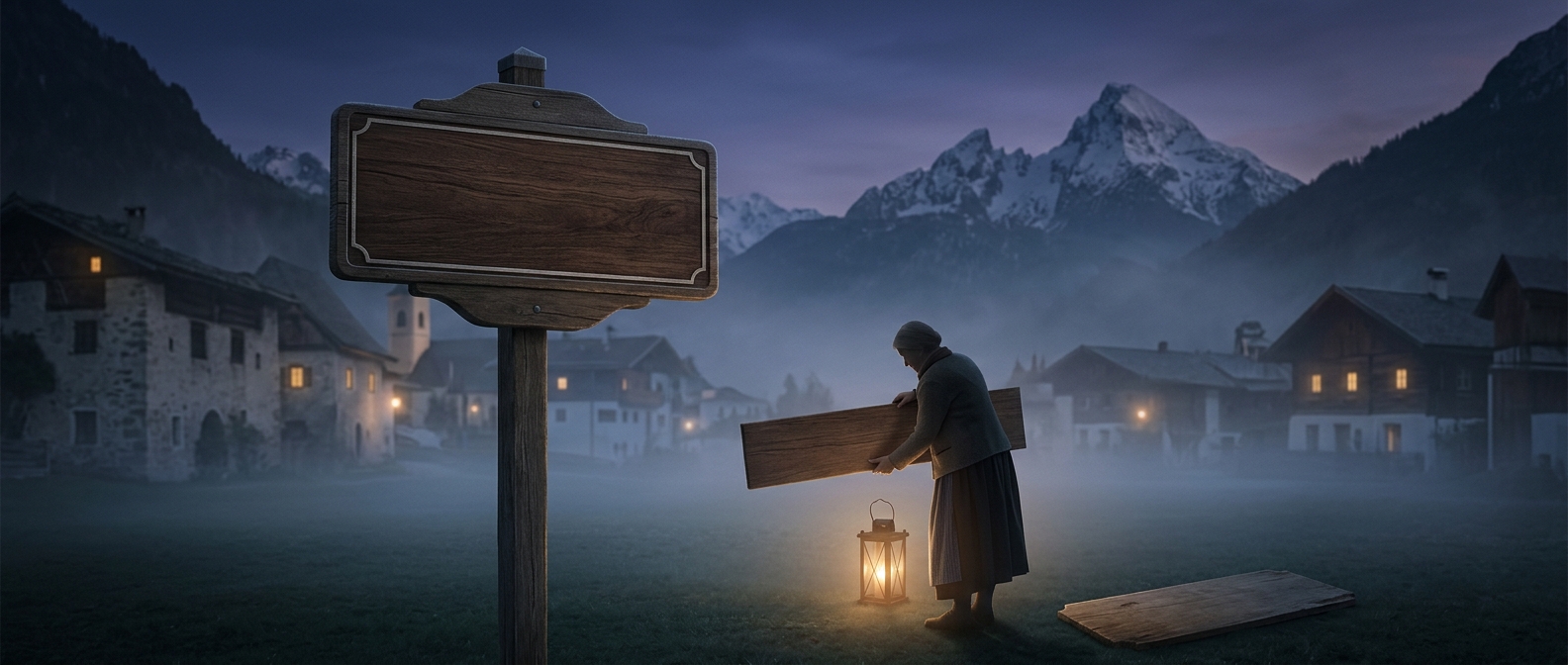
Hallstatt is squeezed between a mountain and a lake, so its postcard view comes from a compact strip of buildings, water and steep slopes. That same geography limits where people can walk and gather. When tour groups and independent visitors arrive at once, they are funneled toward the same streets and waterfront viewpoints rather than spreading across a broad town center.
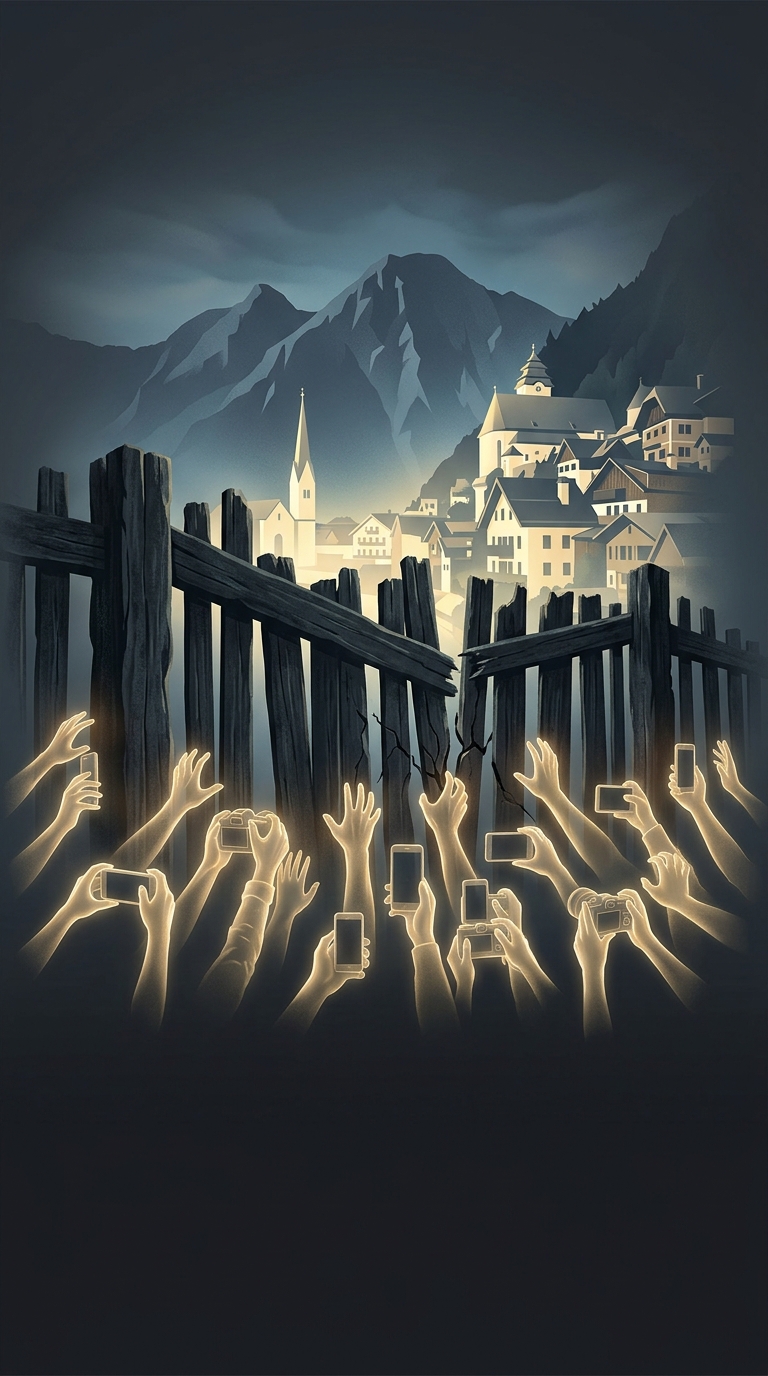
The result is a mismatch between a small place built for everyday life and a stream of visitors seeking the same few photographs. A fence at a scenic spot may look like a minor obstruction, but it can keep a path or viewpoint from becoming an all-day queue—and give residents some room to pass through their own village.
What a replica can—and cannot—reproduce
A Chinese mining company’s full-scale replica in Guangdong took Hallstatt’s recognizable built environment and recreated it far from the Austrian Alps. The appeal is easy to understand: a visitor can encounter the village’s architecture without traveling to a remote lakeside setting. But copying buildings does not copy the conditions that made the original view distinctive: the real lake, the enclosing mountains and a working community occupying a tightly limited space.
That contrast makes the replica more than an architectural curiosity. Hallstatt’s most difficult feature to manage is also the one a replica cannot simply reproduce: the original town’s finite space. In Austria, every popular viewpoint is part of a place where people live, not just a backdrop designed to receive visitors.