A café table can be a place to stay
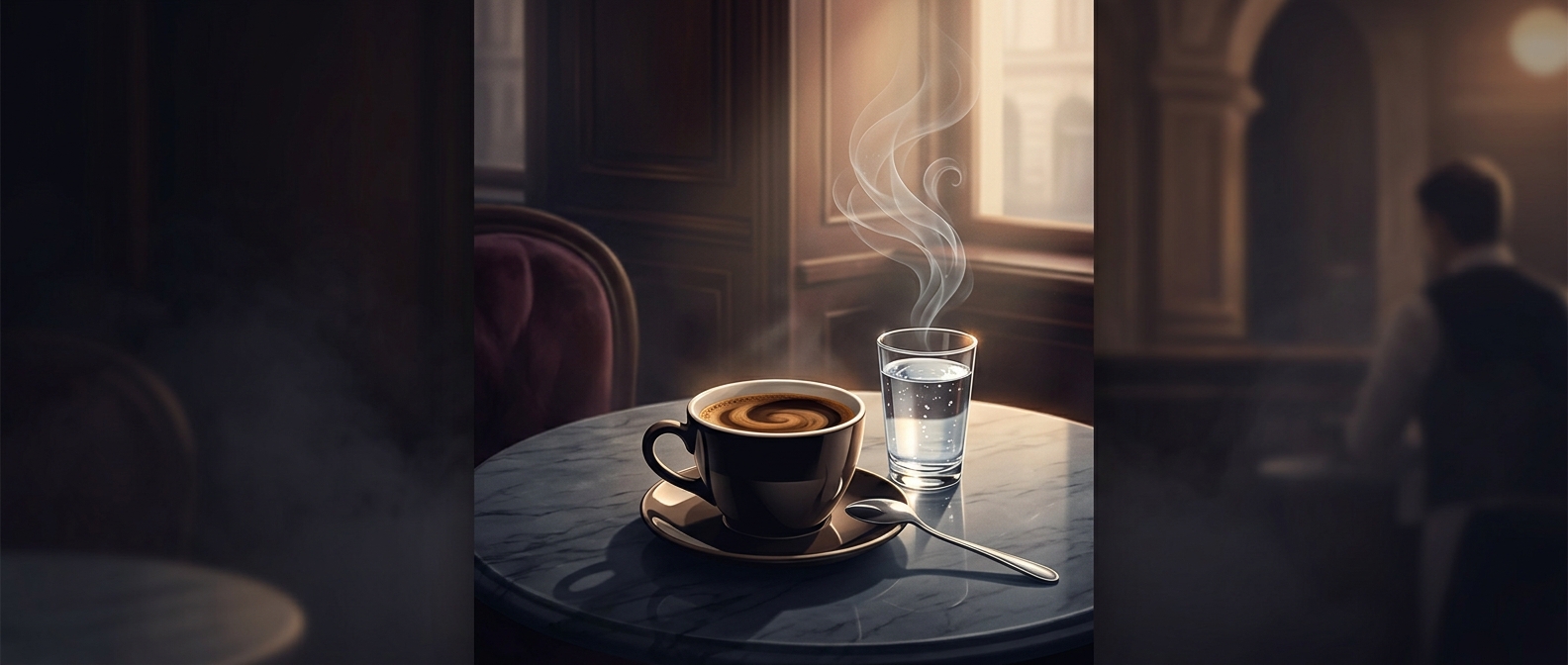
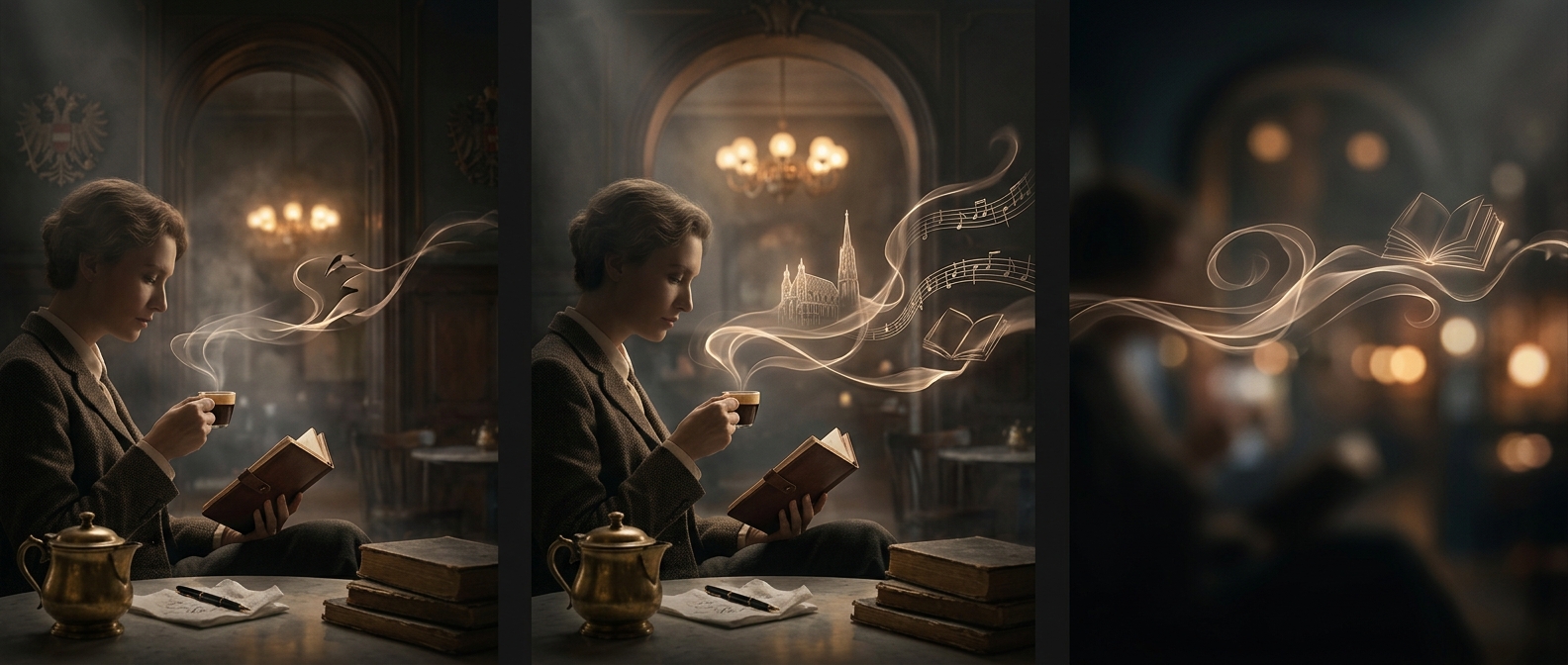
In a traditional Viennese coffeehouse, the visit is not measured only by how quickly a customer orders and leaves. The room is meant to be used: people read, talk, write, or sit quietly, with a coffee marking the visit rather than serving as a timer. That makes lingering part of the experience, not a breach of café etiquette.
The custom grew around coffeehouses as public indoor spaces where people could spend time beyond their own homes. A newspaper, a conversation, or simply a warm seat could be reason enough to stay. The familiar table service helps sustain that slower rhythm: customers are not generally expected to keep ordering just to justify occupying a table.
A different bargain between guest and café
This arrangement trades rapid table turnover for atmosphere and trust. The café offers a setting in which a modest purchase can accompany a much longer stay; the customer, in turn, treats the room as shared space rather than a private office. Practices vary by establishment and by how busy it is, but the underlying expectation is notably different from cafés built around fast service.
That is why a long visit can feel ordinary in Vienna. The coffee is not merely a drink consumed on the way somewhere else; it can be the small purchase that opens the door to spending an unhurried afternoon in public.