Why Spanish dinner shifts later
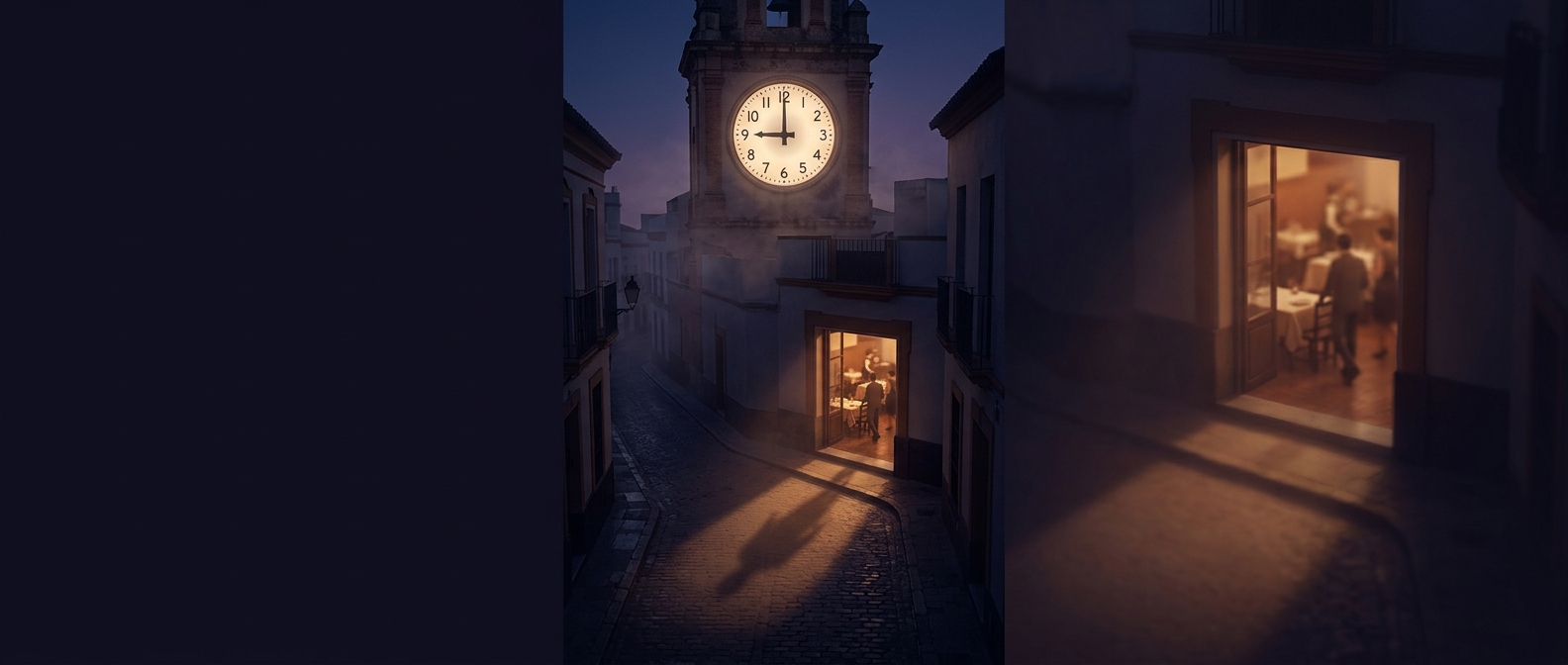
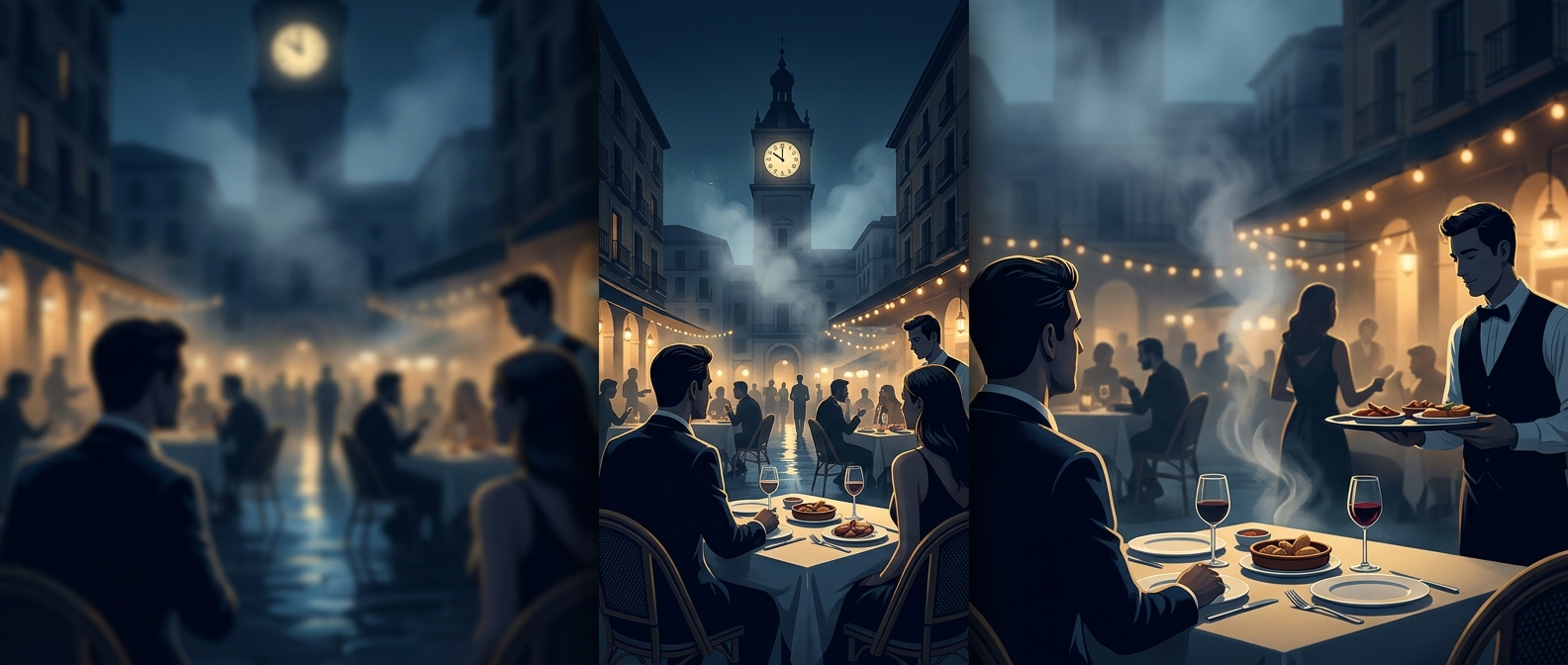
In much of Spain, dinner is the last meal in a day that has already run on a later clock. Lunch is traditionally substantial and can happen well into the afternoon; dinner follows several hours afterward, often after work, errands, or time with family. Restaurants adapt to that rhythm: they may open their dining rooms in stages, with a later service aimed at local diners rather than keeping the kitchen running for a long, quiet evening.
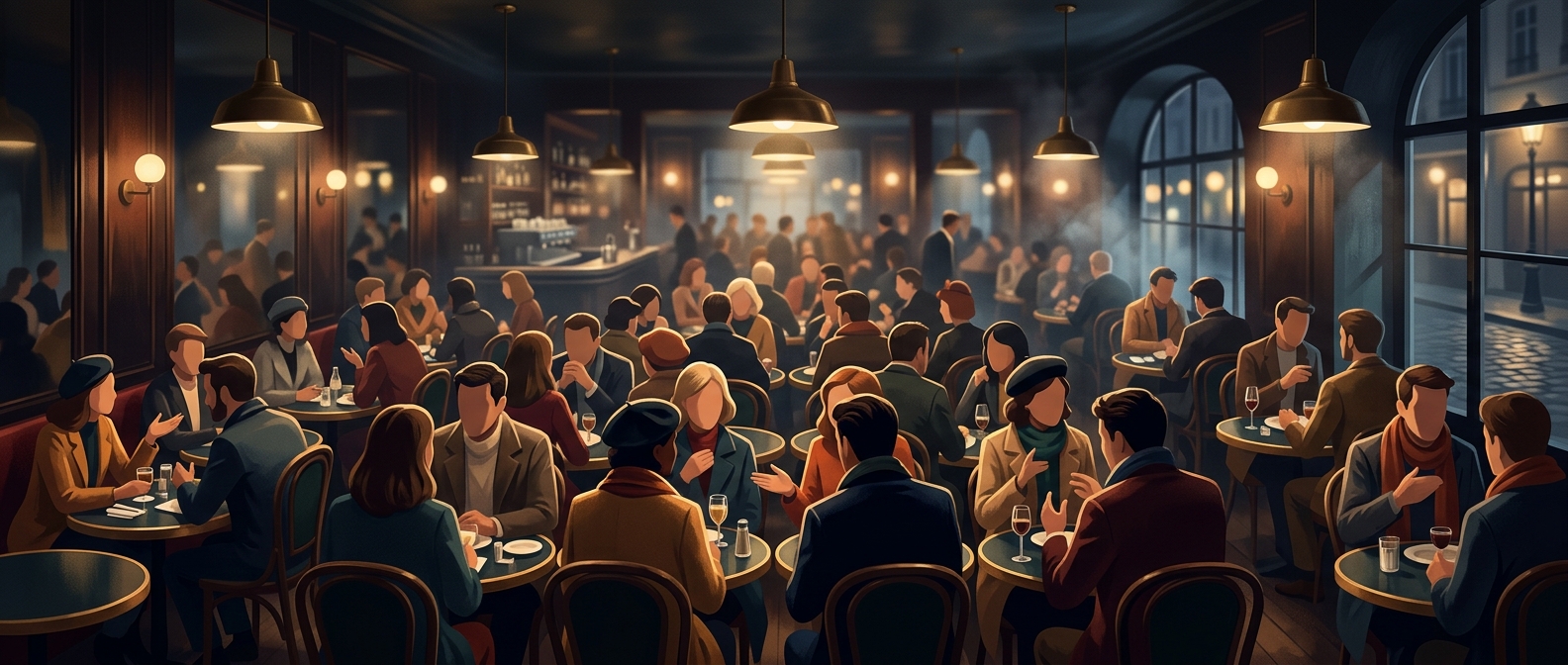
The result is a social schedule as much as a kitchen schedule. A late dinner leaves room for people to gather after the day’s obligations, and eating out can become an occasion that stretches into conversation rather than a quick meal. The pattern varies by region, season, and neighborhood, and places catering to tourists may serve earlier.
How to plan around the gap
If you arrive early, look for a café or bar serving drinks and small bites, or check a restaurant’s posted kitchen hours rather than assuming its doors being open means dinner is available. In Spain, a bar can be lively before the dinner service begins, but that does not necessarily mean the kitchen is ready to serve a full meal.
That distinction can change an evening’s plan: a six o’clock arrival may be a good time for a drink, while a reservation closer to the local dinner hour is more likely to put you at a table when the kitchen is actually cooking.