Why bistro tables sit so close
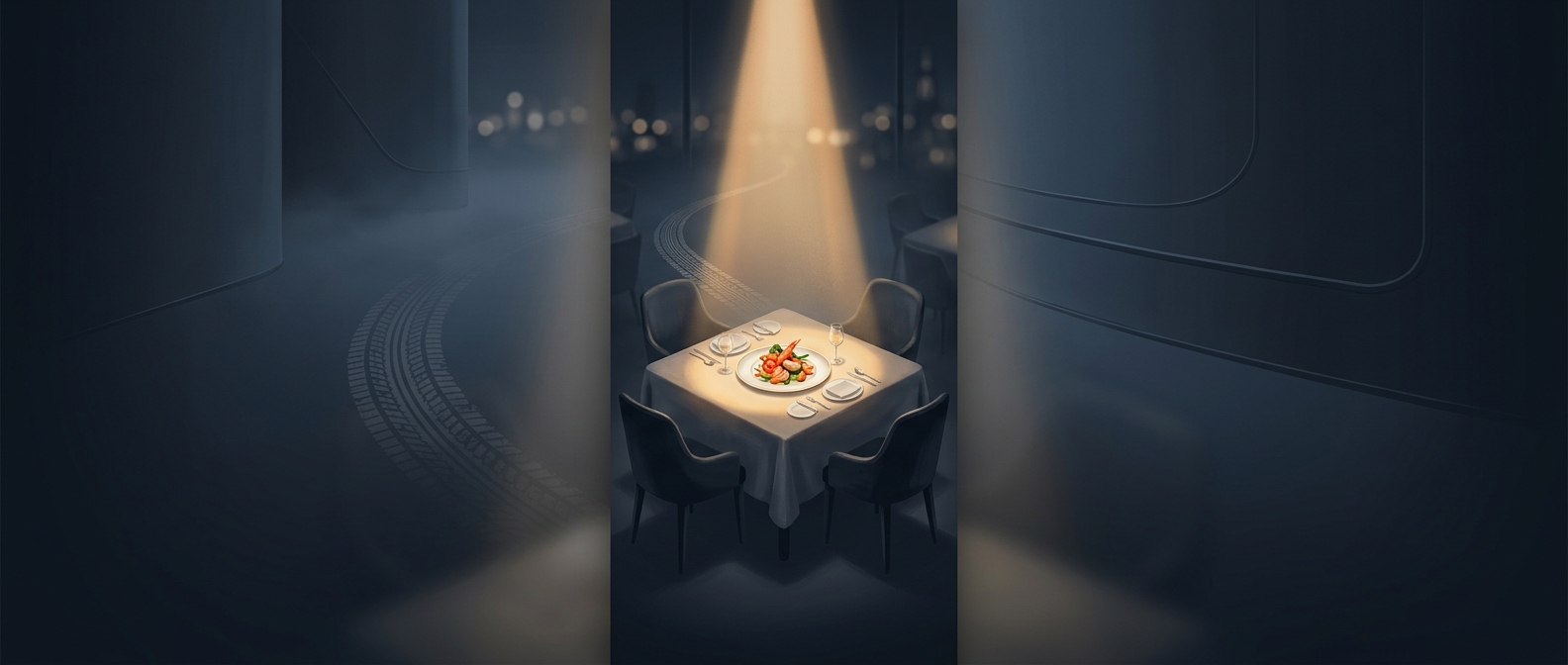
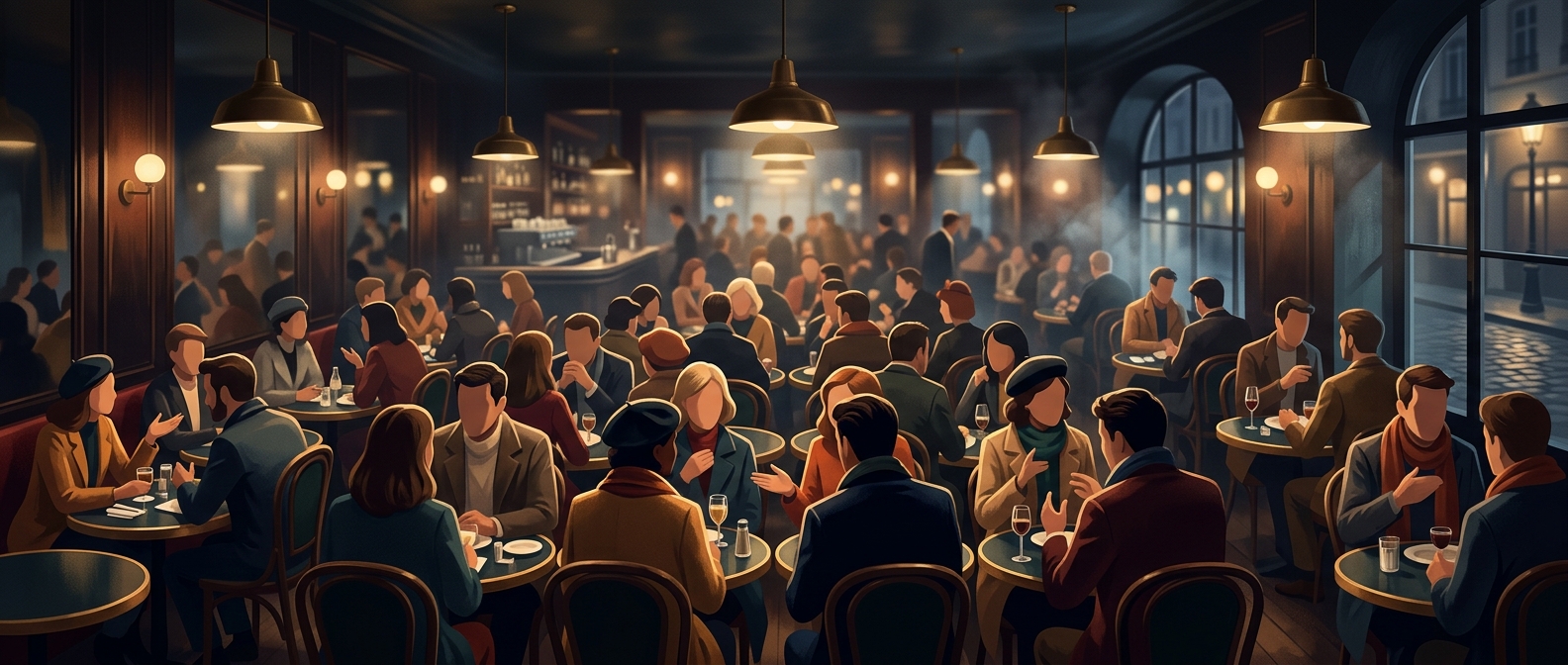
In many French bistros, the dining room has to fit into a small ground-floor space. The owner must leave room for a counter, a path for servers, and enough chairs to make the restaurant viable; spreading tables far apart can mean fewer covers. The result is often a compact layout in which each table occupies only a small patch of floor.
That arrangement is a practical tradeoff, not a single national rule or a guarantee that every bistro will feel crowded. Older buildings and narrow rooms can limit what a restaurateur can change, while the number and placement of tables depend on the individual restaurant.
A room with a shared soundscape
Close seating changes more than personal space. Voices, clinking cutlery, and the movement of servers blend into a common layer of noise, so a conversation is less acoustically private than it would be across a larger room. Diners may catch fragments of nearby talk without being able to follow it all.
The same layout also makes the room feel active: tables, staff, and customers are close enough to become part of one another’s surroundings. For anyone used to a quieter, more widely spaced restaurant, the surprising detail is that the neighboring table may be only an arm’s length away—close enough for its conversation to become part of the meal’s background.