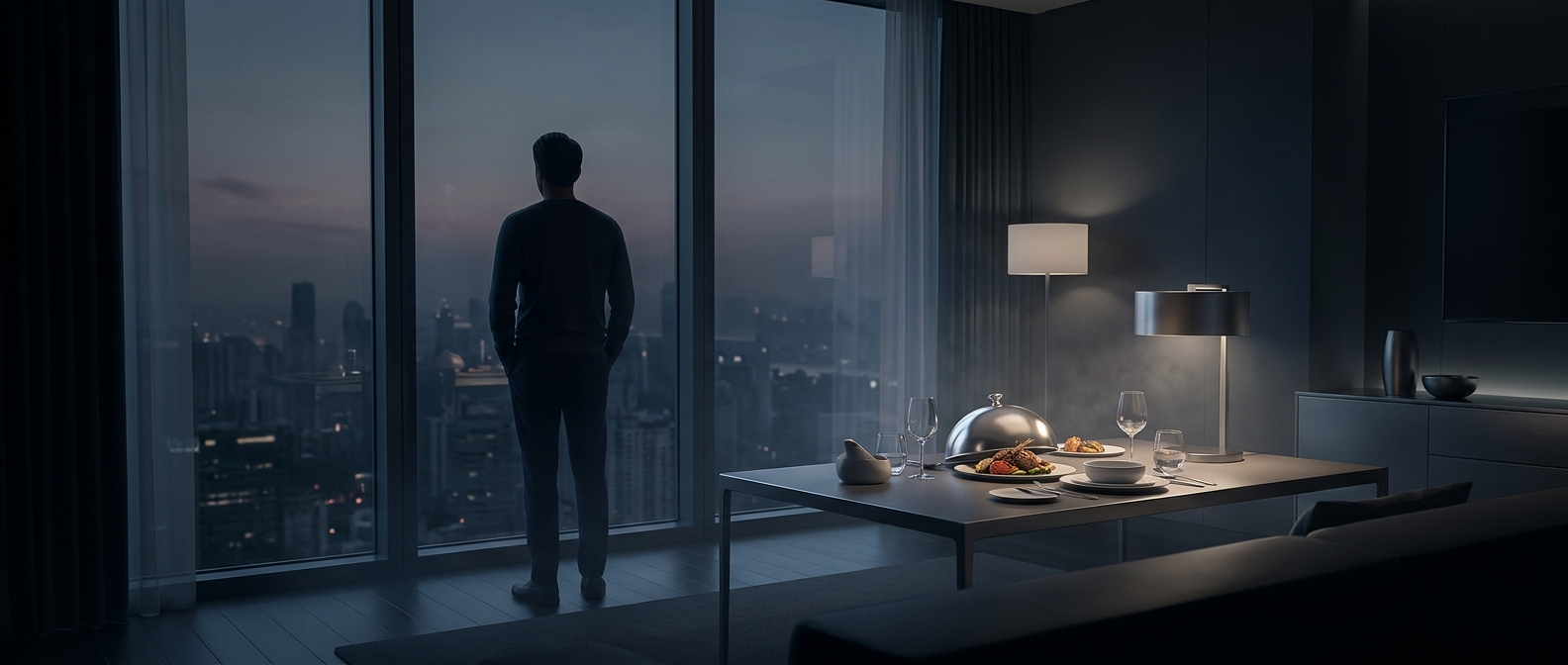
From Dining Room to Guest Room
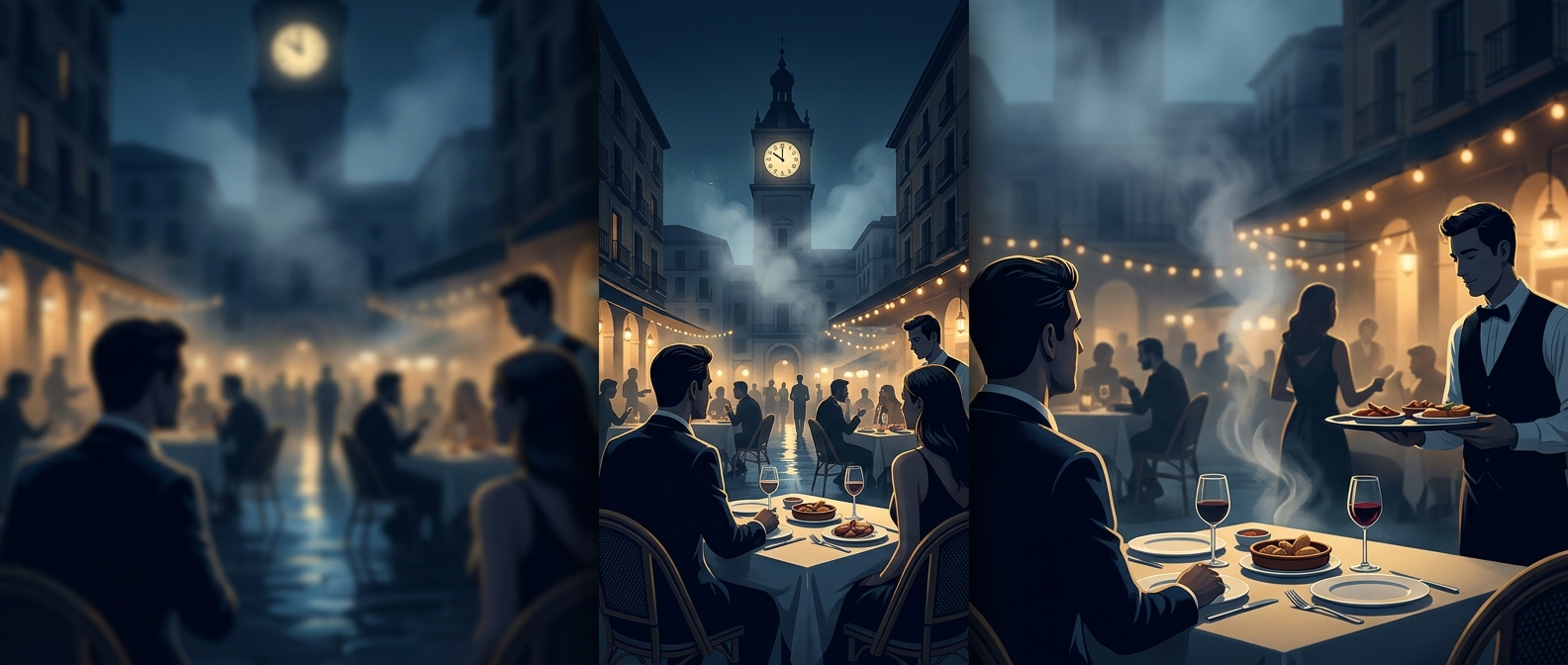
For much of hotel history, a meal meant going to the meal: guests dressed and went downstairs, where the hotel could serve many people in one room. Dining in a private room required the hotel to reverse that arrangement. Food had to leave the kitchen, travel through the building, and arrive promptly enough to remain appealing.
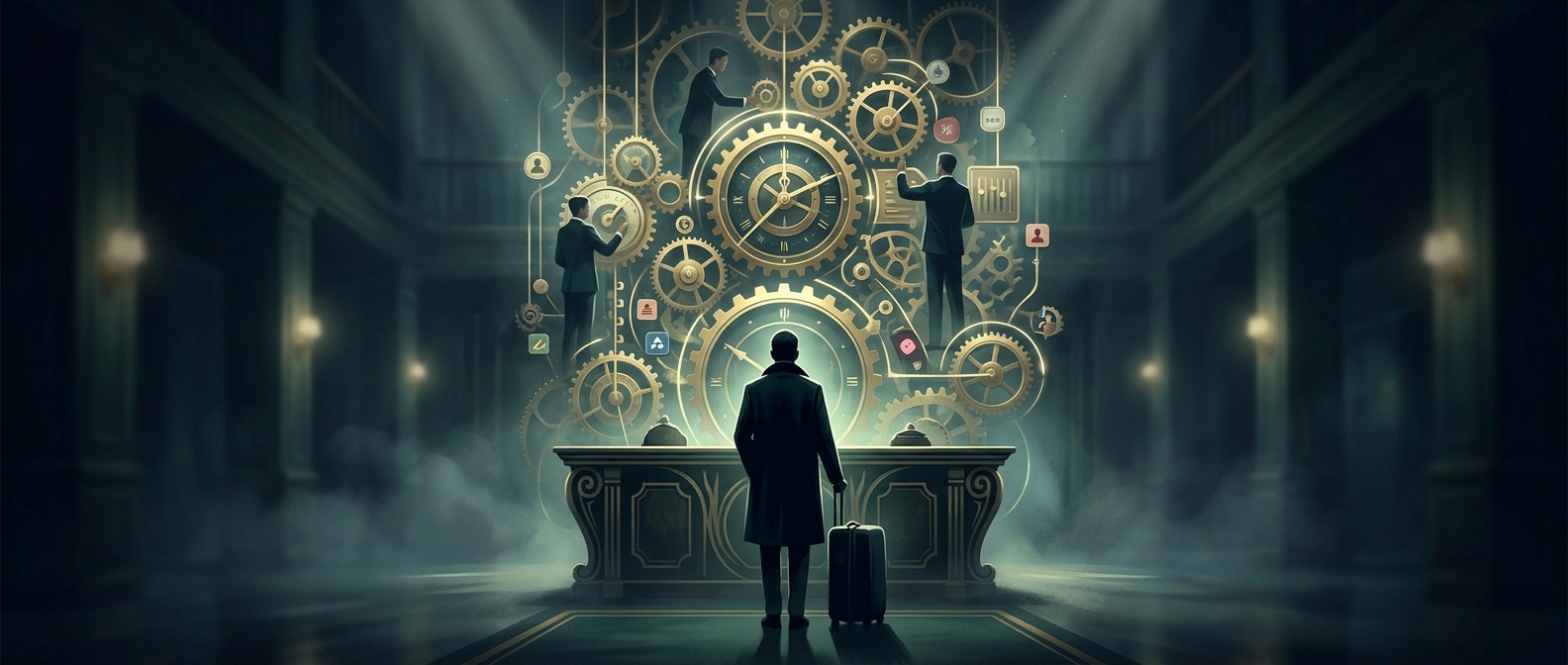
Room service became a more familiar hotel offering in the 1930s. Its growth depended on more than a kitchen willing to send up a plate. Hotels needed a way to take orders from guest rooms, coordinate them with cooks, and carry meals to the right door. Phones and elevators made those steps easier to manage, especially in large hotels.
A Small Meal, a Larger Operation
A meal served downstairs can be carried out by the kitchen staff; a meal delivered upstairs adds a chain of handoffs. Staff must transport dishes without spilling them, keep hot food warm and cold items cool, and collect the tray afterward. The luxury is partly the food, but also the hotel labor and logistics hidden behind the closed door.
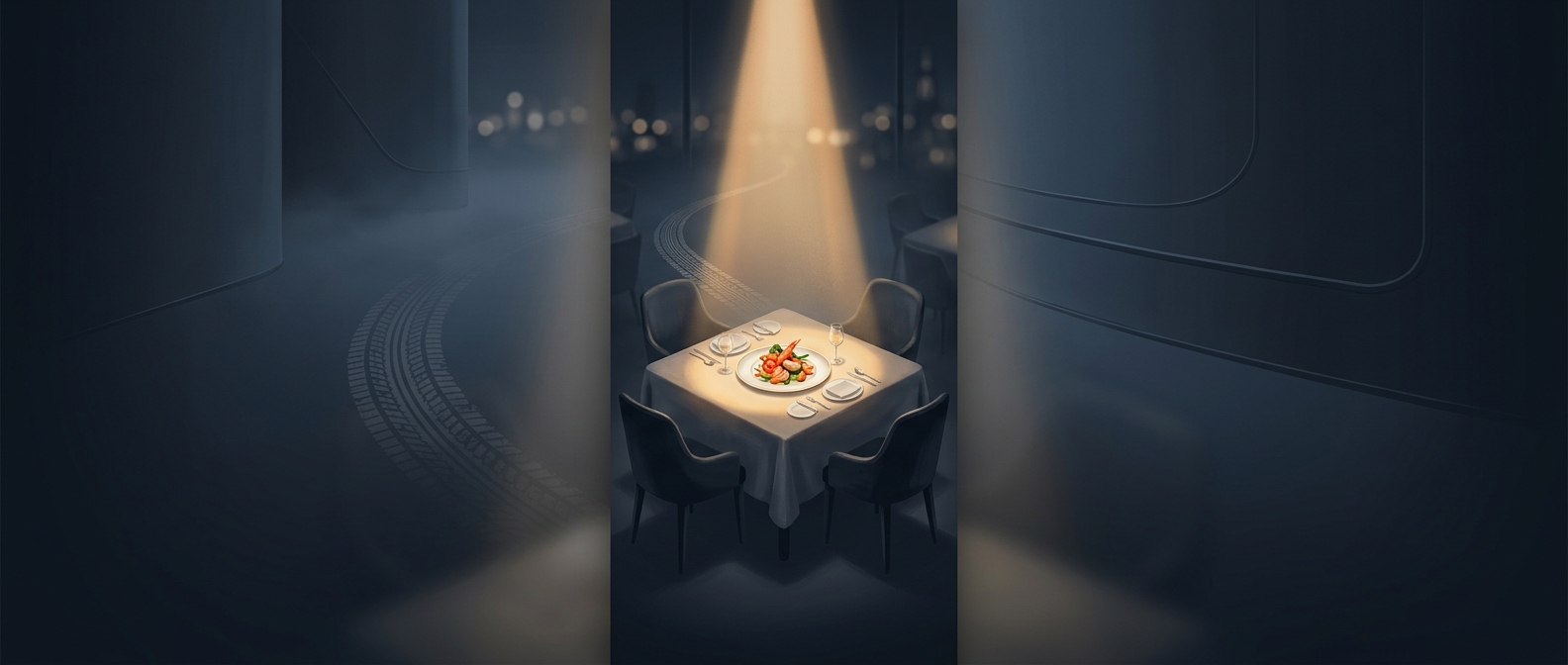
That changes what a hotel room can be. Instead of being only a place to sleep between outings, it can become a private place to eat—useful when a guest wants quiet, convenience, or simply does not want to dress for dinner. The tray at the door is the visible end of a service designed to make the hotel’s kitchen reach every floor.