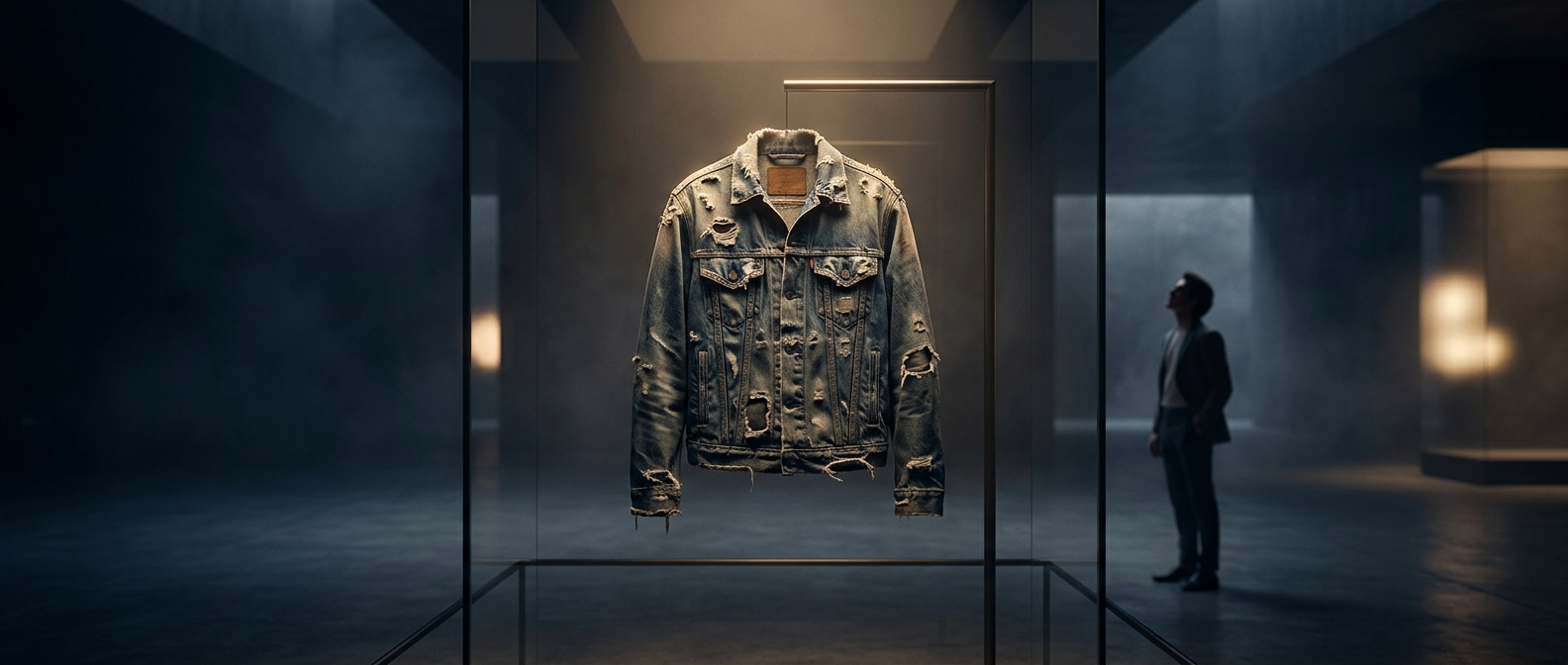
Why Some Cheap Clothes Lose Their Shape So Quickly
A garment can look sturdy on a rack yet be built with little reserve for repeated wear and washing. In clothing made under intense pressure to keep prices low, savings may come from lighter fabric, less robust stitching, or simpler finishing. Those choices do not guarantee a garment will fail—but they can leave less material and construction strength to withstand everyday stress.
Washing Turns Small Weaknesses Into Visible Damage
In a washing machine, fabric rubs against itself and other items. That friction can loosen fibers from the surface, creating pills, or gradually thin the cloth. Spinning and tumbling tug at seams, while hot water and a hot dryer can add stress: heat may shrink some fibers and weaken the stretch in elastic materials. Repeated stretching at knees, elbows, waistbands, or necklines can then leave a piece baggy or misshapen.
The damage is often cumulative rather than dramatic. A seam may begin to open by a few threads; a knit may relax slightly; a printed surface may fade or crack. After several cycles, those small changes become hard to ignore. Care labels matter, but gentler washing cannot fully compensate for weak fabric or construction.
The Price Tag Reflects a Tradeoff
Fast-fashion businesses compete on low prices and quick-changing styles. Keeping costs down can make sense when shoppers are expected to replace items frequently—but it can also mean less investment in durability, which is harder to judge at the moment of purchase than color or fit. The cheapest garment is not always the cheapest to own if it needs replacing after a short time.
When shopping, check the feel and weight of the fabric, look closely at seams and stress points, and consider whether the item’s care requirements fit your routine. These clues cannot guarantee long life, but they can help reveal where a garment may be most vulnerable.