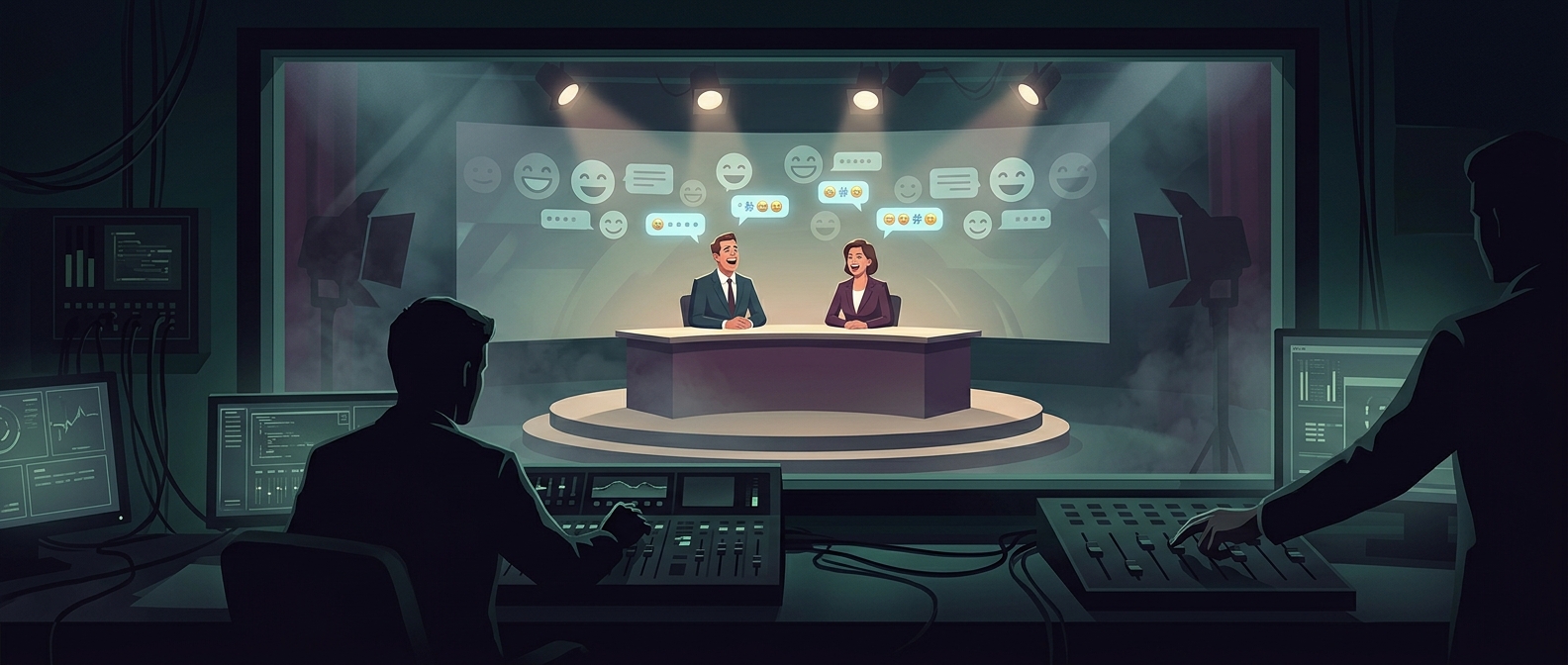
Why late-night appeals can make giving feel urgent
A telethon does more than show a difficult situation: it gives viewers a clear action to take while that scene is still fresh. A story or image makes a need feel personal; the donation appeal then offers a simple way to respond. The implied choice can carry emotional pressure: if help is possible right now, not giving may feel like turning away.
That pressure is especially suited to television’s direct-appeal format. Instead of asking viewers to remember a cause and look it up later, the program puts the appeal in front of them and makes the next step immediate. Repeated appeals can keep the need—and the feeling of responsibility—present as viewers watch.
The feeling is part of the fundraising design
Late at night, viewers may be tired and less inclined to scrutinize a decision, though fatigue affects people differently. The emotional presentation can make a quick donation feel more compelling than a careful comparison of how much to give or which organization to support. That does not mean viewers are simply manipulated: they may genuinely want to help. But the format deliberately brings empathy, urgency, and an easy action together.
The result is a distinctive kind of pressure: the appeal turns a moment of sympathy into a decision that seems to demand an answer now. For an insomniac channel-surfing past a telethon, even a few seconds can feel less like watching and more like being asked to prove they care.