The turbulence a clear sky can hide
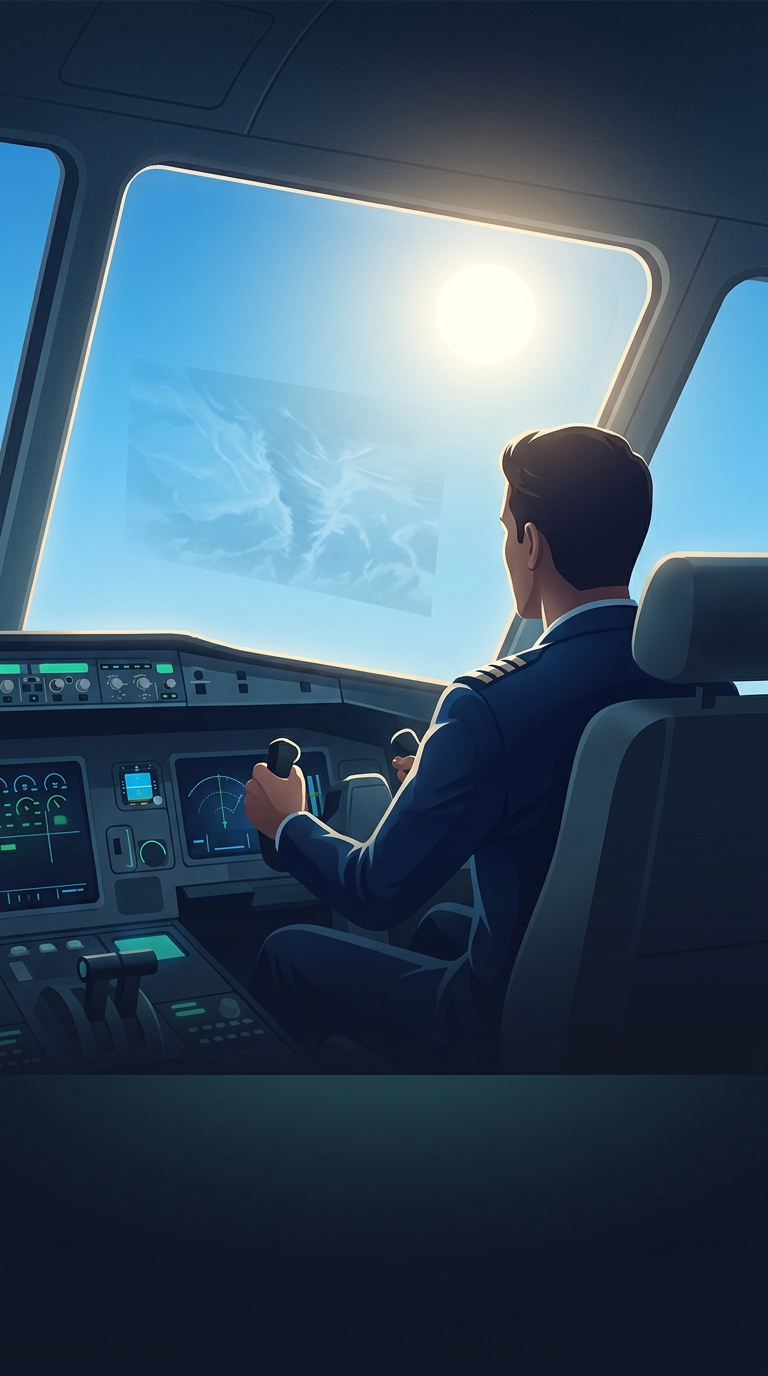
A smooth, sunny view from the cockpit does not guarantee smooth air. Clear-air turbulence is rough motion in otherwise cloudless air, often near a jet stream—a fast-moving river of air high in the atmosphere. Where neighboring air masses move at different speeds or directions, the resulting wind shear can jolt an aircraft without any clouds to warn the crew.
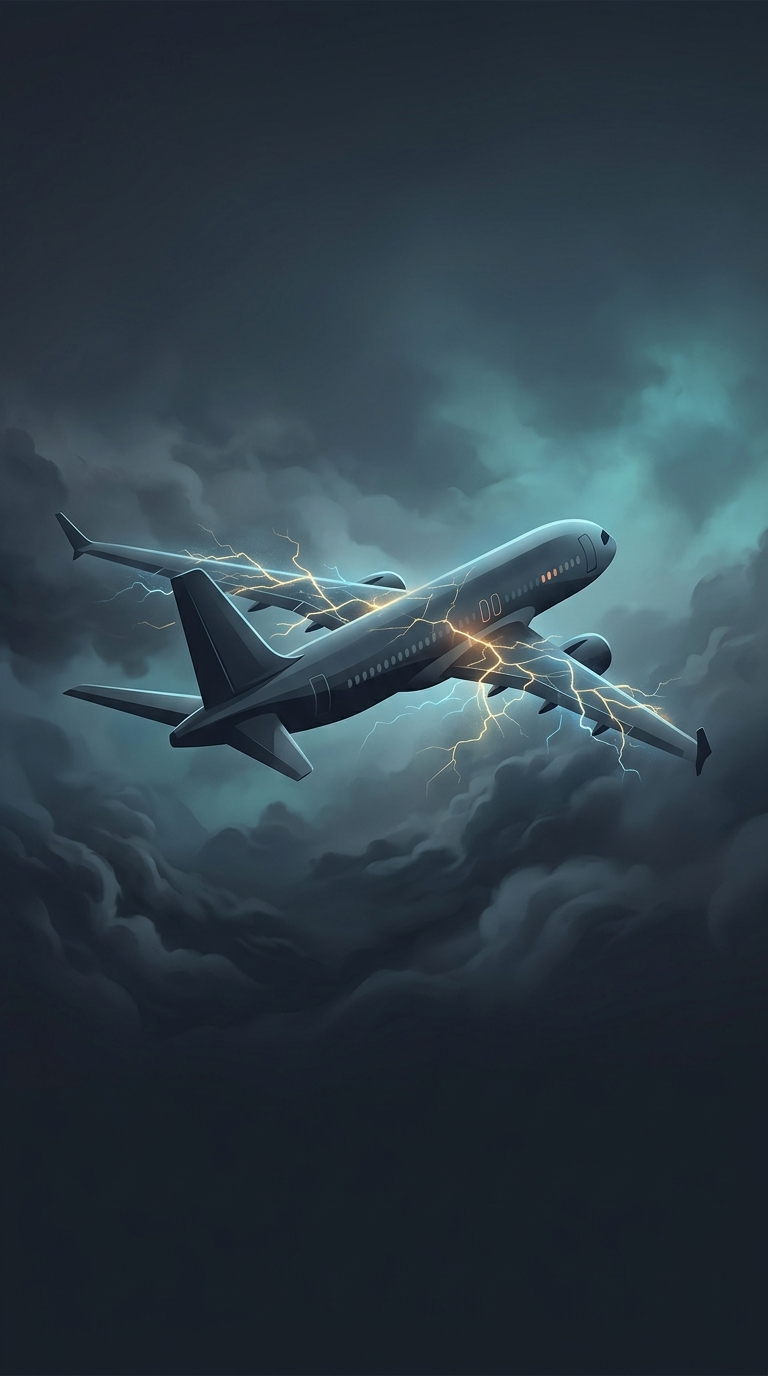
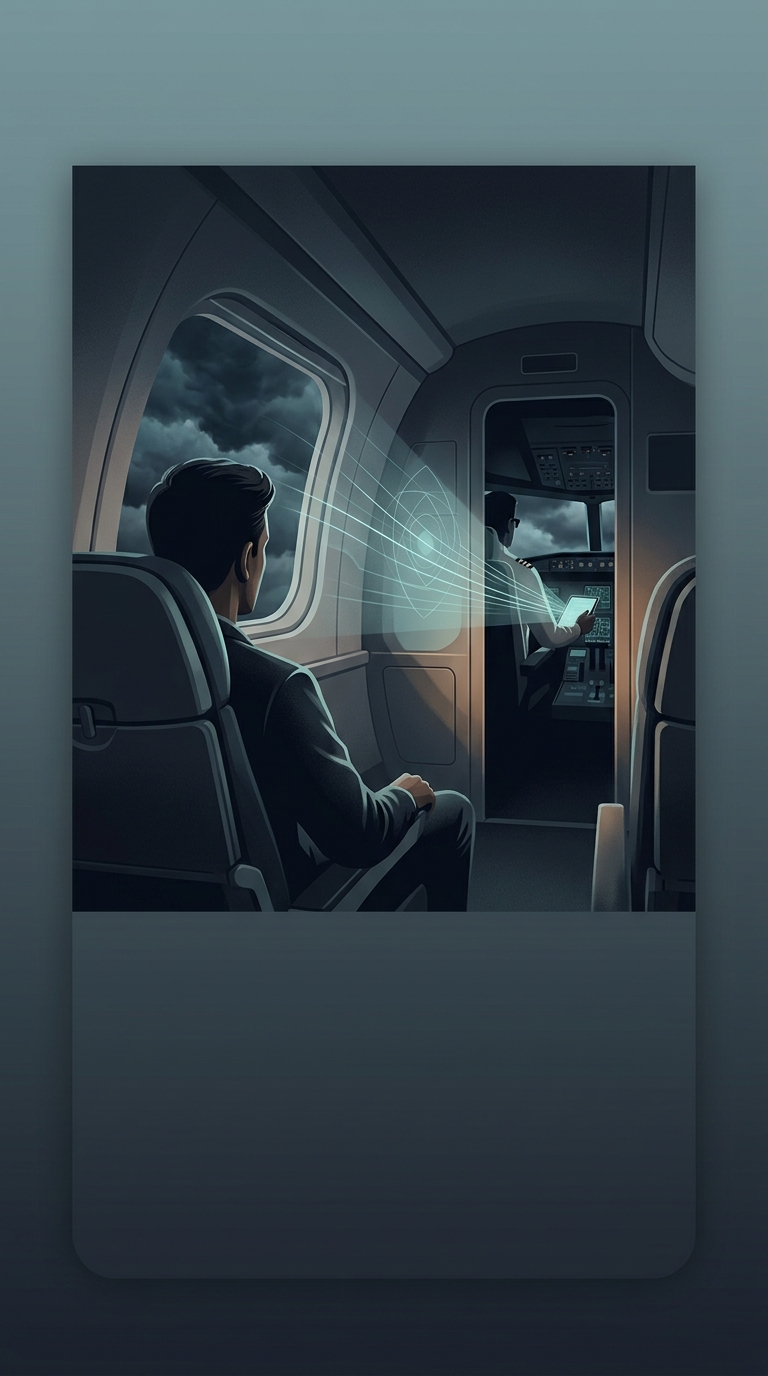
That lack of visible warning is what makes the phenomenon unsettling. Thunderstorms show up on weather radar, giving pilots information they can use to steer around them. Clear-air turbulence may not appear on that radar, so a flight can cross into it with little notice. Pilots receive forecasts and reports from other aircraft, but those clues cannot map every patch of turbulent air precisely.
Why a small jolt matters
Airliners are built to withstand turbulence, and pilots can change altitude or course when conditions allow. The immediate human risk is often inside the cabin: a sudden bump can throw an unbelted passenger or crew member off balance. That is why crews advise passengers to keep their seat belts fastened even when the seat-belt sign is off.
Storms remain a serious hazard, not a lesser one. Pilots generally work to avoid dangerous storm cells; the distinctive challenge of clear-air turbulence is that calm-looking skies can conceal a rough patch until the aircraft reaches it. The view outside may be serene while the air itself is not.