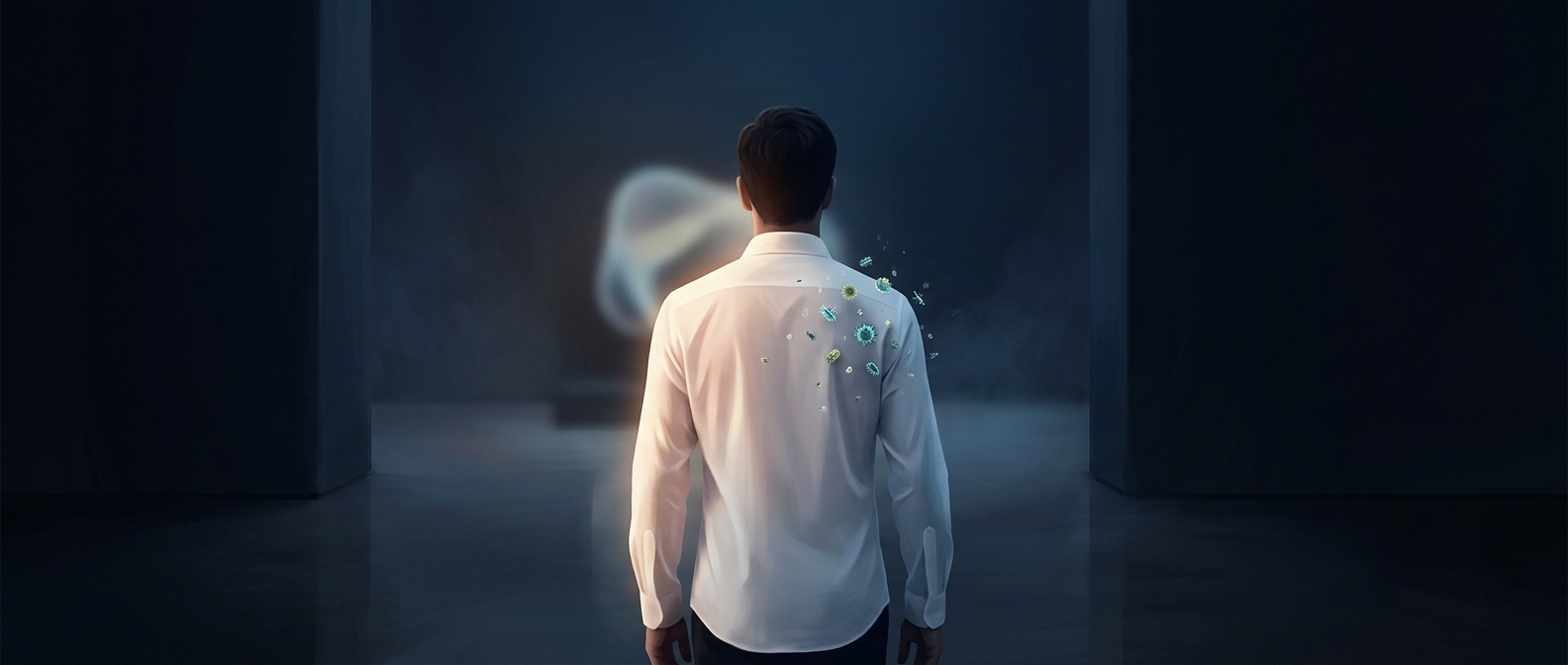
The Flaw Feels More Obvious to You
When an outfit detail bothers you, it can seem as if it has become the most visible thing in the room. That feeling often reflects the spotlight effect: the tendency to overestimate how much other people notice our appearance and behavior. There is no fixed number of people who will spot a flaw; it depends on the detail and the situation. But your own attention is not a reliable measure of everyone else’s.
Your Attention Is Not Their Attention
You know exactly what feels wrong—the awkward fit, the stain, the color you regret—and your mind keeps checking it. Other guests don’t have that same running commentary. They may be focused on finding friends, joining a conversation, or wondering how they themselves are coming across. Unless the detail is especially conspicuous, it may never become important enough for them to register.
Even if someone does notice, noticing is not the same as judging. A glance can be fleeting, and people often move on without forming the harsh opinion the wearer imagines.
Why the Feeling Persists
Self-consciousness makes the perceived audience feel larger. Because you can feel your own discomfort so vividly, it is easy to assume that it shows just as clearly from the outside. That mismatch can make a small clothing annoyance seem like a public announcement.
A useful check is to ask what you would remember about a stranger’s outfit after a brief encounter. You might recall a striking choice, but you probably would not catalog every minor imperfection. At the party, the flaw may occupy your attention all evening while occupying almost no one else’s.