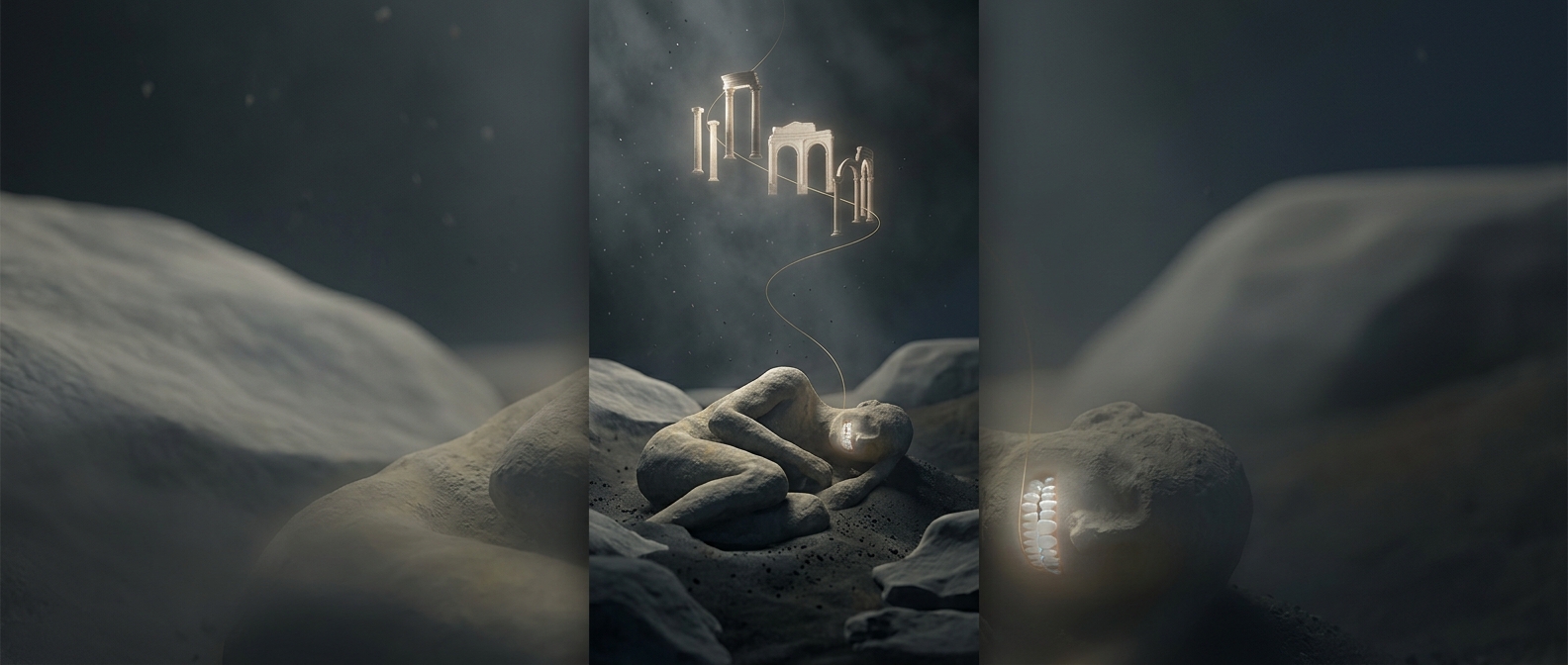
What healthy teeth reveal about life in Pompeii
The teeth in scans of Pompeii’s plaster casts offer a small, unusually personal clue about everyday life before the eruption. Dental decay often begins when mouth bacteria use sugars to make acids that wear away tooth enamel. A diet with little refined sugar can mean fewer of those repeated acid attacks.
That does not mean ancient food was sugar-free. People ate naturally sweet foods, including fruit; the important difference was the limited access to refined sugar, which was far less common than it is in modern diets. Meals built around ordinary Mediterranean staples may therefore have been less damaging to teeth than a modern diet rich in sugary snacks and drinks.
A clue, not a complete health record
Dental wear and decay reflect more than diet: age, oral hygiene, and other aspects of daily life matter too. So the casts cannot tell the whole story of Pompeii’s health. But their teeth make diet visible in a way that a list of foods cannot: what people ate left evidence in their enamel.
For visitors, that evidence adds an intimate dimension to the casts. The eruption preserved the shapes of people at the moment their lives ended; their teeth also carry traces of the ordinary meals that came before it.