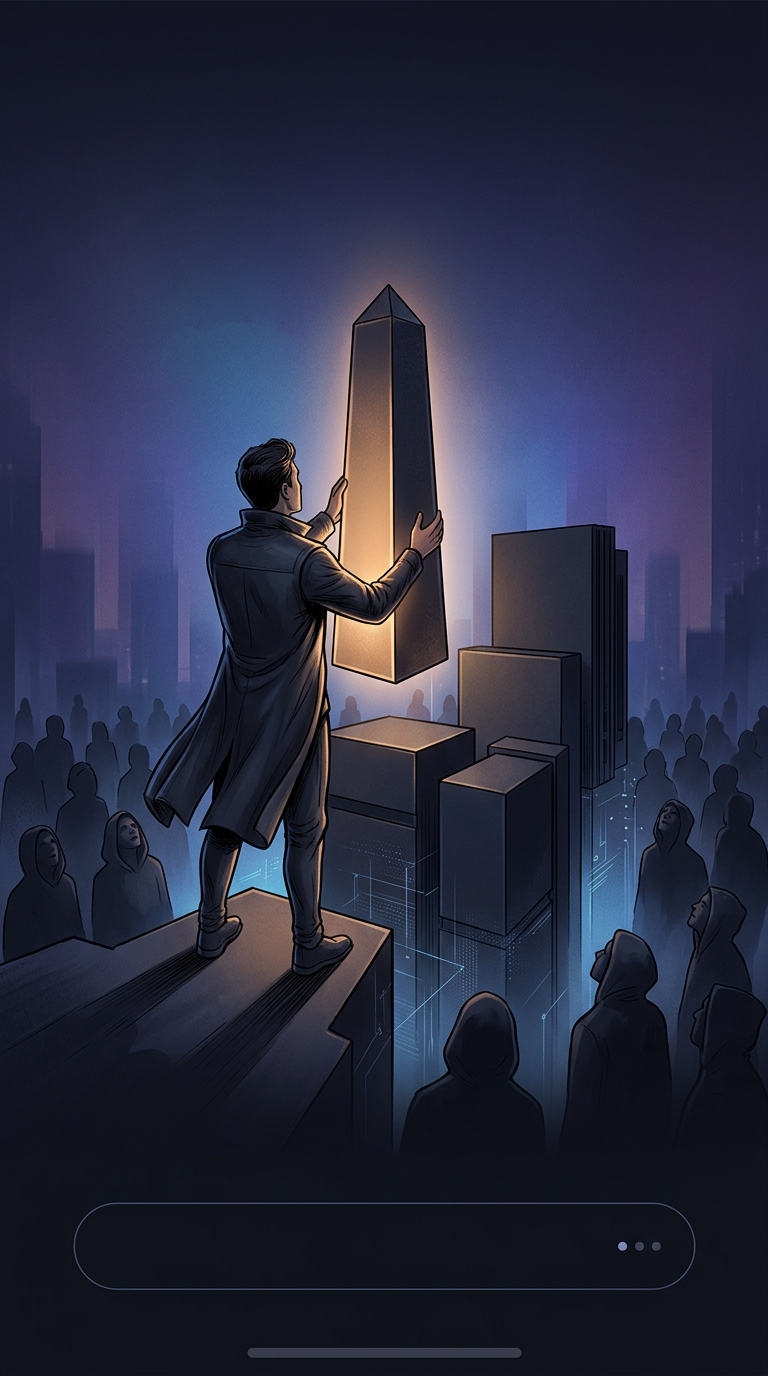
Death changes a player’s powers, not their place at the table
In many social-deduction games, elimination removes a player from the conversation as well as the contest. Blood on the Clocktower makes a different trade: a dead player loses their character’s special ability, but remains present and can keep talking. The moderator—the person who runs the game and privately handles its information—still includes that player in the social flow.
That matters because discussion is the game’s main arena. Players argue over what they learned, accuse one another of lying, and try to persuade the group before it votes. An early death therefore does not automatically turn the rest of the session into an audience role.
A ghost vote is a scarce resource
Dead players can also cast a ghost vote, but only once for the rest of the game. That single vote can help decide whether the group executes someone, so spending it is a real choice rather than a routine ballot.
The limit creates a new social calculation. A dead player may hold back while the living test competing explanations, then use the vote when a close decision arrives. Meanwhile, the living have reason to keep the dead engaged: their information and eventual vote may matter, even though they can no longer use their former abilities.
The dead remain influential—but not in control
This design does not erase the consequences of elimination. Dead players have less direct power, and their one remaining vote cannot be reused. But it changes what death means: instead of ending a player’s participation, it shifts that participation from special abilities to conversation and a carefully timed ballot.
The practical payoff is visible at the table. A player eliminated early can still argue over the evidence and wait for the right moment to cast a final vote—rather than spending the rest of the game merely watching.