Why Game Input Delay Is Counted in Frames
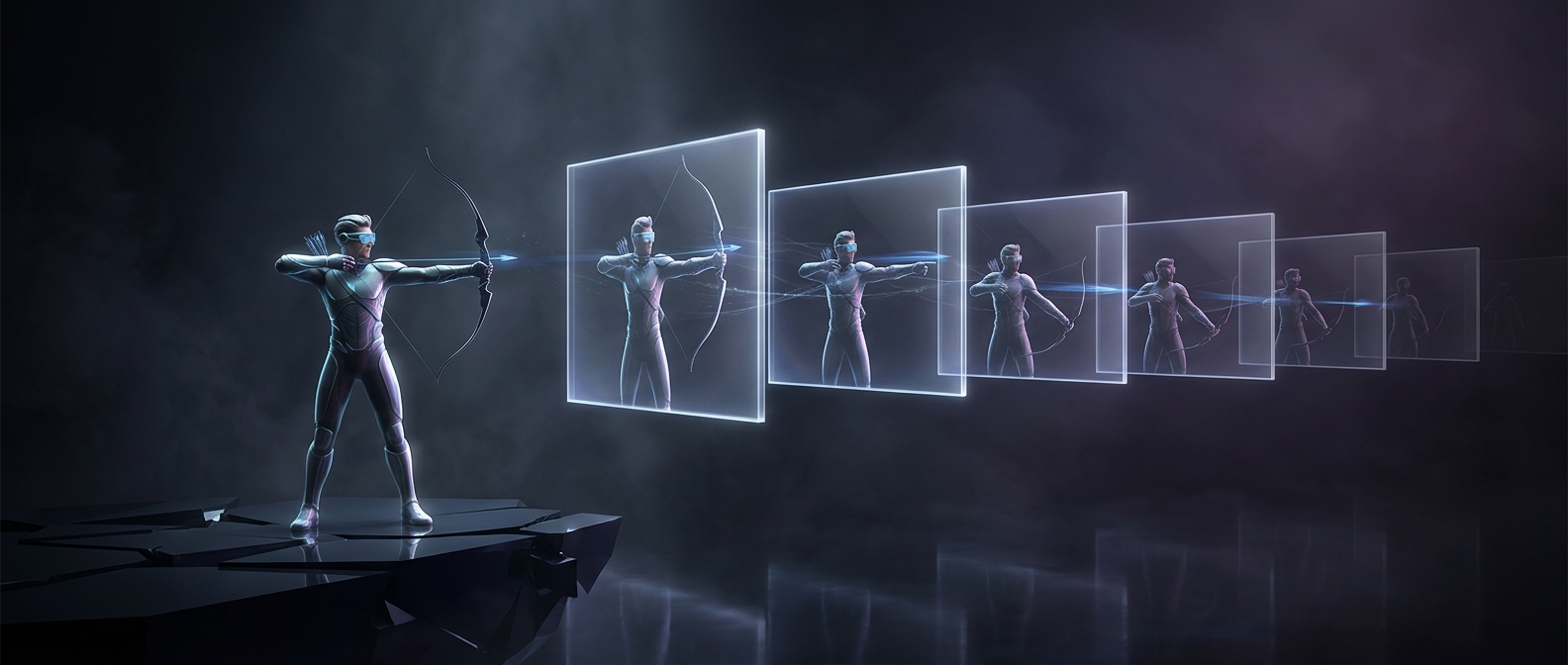
A button press does not usually change the picture instantly. The controller must report the press, the game must read it and update its simulation, and the graphics system must render a new image. The display then has to show that image. Each stage can add delay, and several are synchronized to the game’s frames—the successive images it produces.
That makes frames a practical unit for developers. At 60 frames per second, one frame takes about 16.7 milliseconds; at 120 frames per second, it takes about 8.3. If an input arrives just after a game has checked for controls, the game may not act on it until its next update. A further wait may occur while the display prepares to show the resulting frame.
What a Frame Count Reveals—and Hides
Saying an action takes two frames gives a quick sense of how many update cycles intervene. But the same frame count can represent different elapsed times at different frame rates. It can also conceal where the wait occurs: in controller reporting, game logic, rendering, or the display. For that reason, frame counts are most useful when paired with the frame rate and a clear description of what is being measured.
Timing can also vary from one press to the next. A press that lands just before the game checks for input may be acted on sooner than one that lands just after. So a single average can miss the unevenness players notice as sluggish or inconsistent control.
Why the Measurement Method Matters
A full input-to-screen test follows the delay all the way from a physical button press to a visible change. Measuring only the game’s internal update time leaves out the controller and display, while counting rendered frames alone cannot show exactly when the player’s press occurred within a frame.
The practical point is that responsiveness is not determined by frame rate alone. Faster frames shorten the time between opportunities to process and display an action, but every link in the chain matters—and a delay of even one extra frame can be noticeable when it separates a command from the movement on screen.