A Gross Problem the Restaurant Can’t Afford to Notice
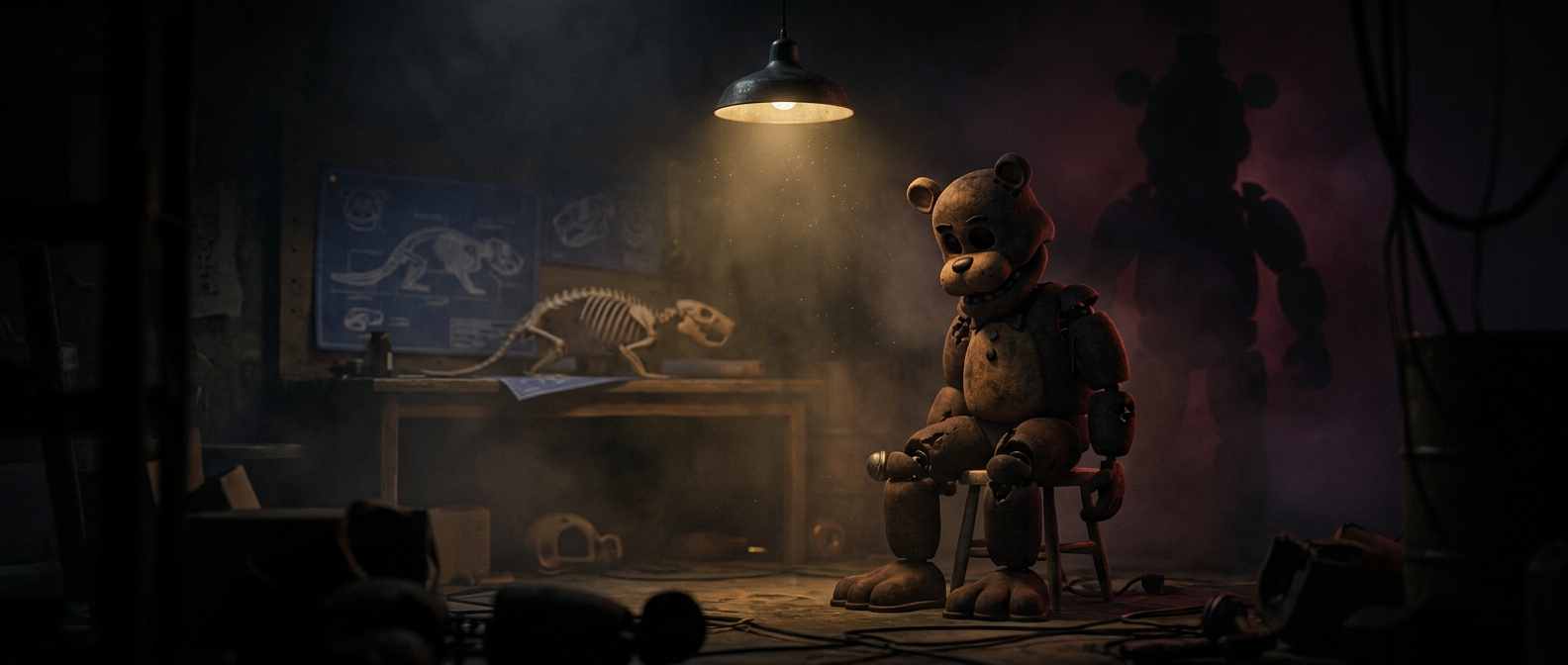
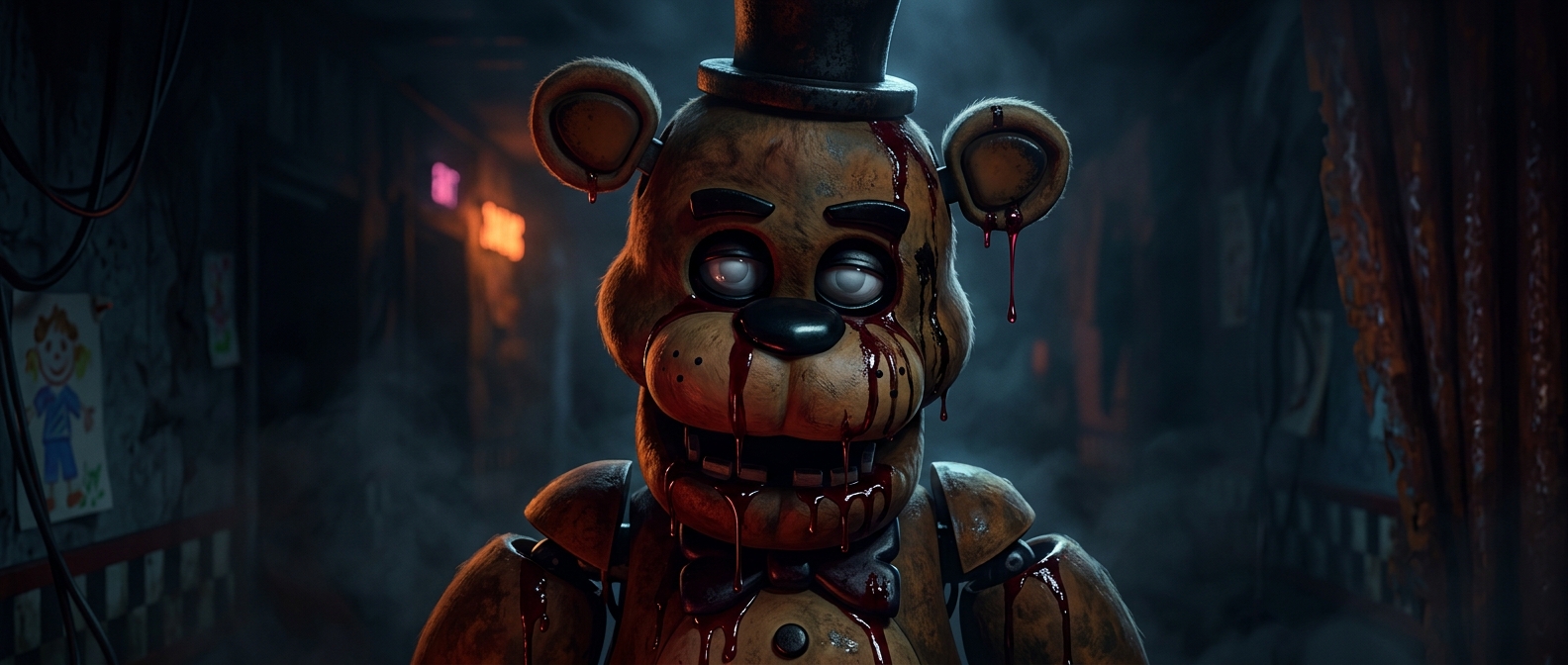
The disturbing detail is not just that Freddy Fazbear’s mascots smell wrong. It is that the restaurant’s business depends on treating that wrongness as ordinary. Blood, mucus, and the odor of decay would be obvious warning signs in any family dining room. Here, management’s response is effectively to keep the show—and the cheap pizza—going.
That choice turns the animatronics into more than malfunctioning equipment. They are the restaurant’s main attraction, built to entertain children and draw families in. Taking a mascot offstage could mean disrupting the performance; acknowledging what is leaking from it could mean confronting a much larger problem. The company’s priorities are revealed by what it chooses not to investigate.
The Smell Makes the Horror Hard to Ignore
A machine can be frightening when it moves on its own, but smell makes the danger feel physical. Oil suggests worn machinery; blood and mucus suggest a body; rot suggests that something has been left to decay. Those clues blur the line between costume and corpse, making the restaurant’s cheerful characters feel contaminated rather than merely broken.
That contrast also sharpens the game’s workplace horror. The player is not a visitor who can leave when the mascots become unsettling, but a night guard expected to deal with the consequences of the restaurant’s neglect. The company keeps the characters on display for customers; the person working after hours inherits the risk. The horror comes from a business treating warning signs as less important than keeping the attraction open.