Why Comte thought science needed ceremonies
Auguste Comte did not see a scientific account of the world as enough to hold society together. In his view, people also needed shared loyalties and rituals—ways to honor what they depended on and to connect individual lives to a larger whole. After rejecting belief in God, he set out to provide those social functions without supernatural claims.
That project became the Religion of Humanity. Its central object of devotion was humanity itself, which Comte treated as a collective inheritance: the generations of people whose work, ideas, and care made present life possible. The point was not that humanity possessed supernatural powers, but that it could command gratitude and moral commitment.
Turning a philosophy into a public practice
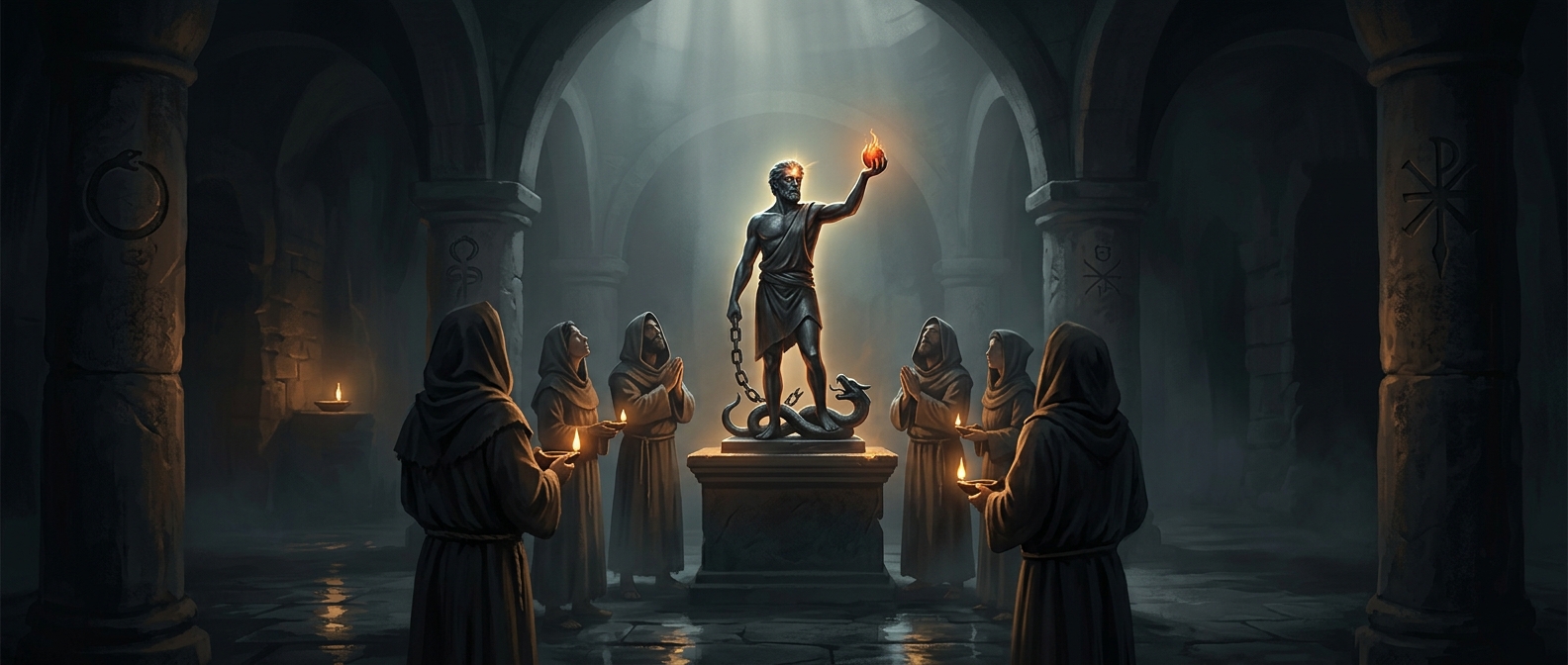
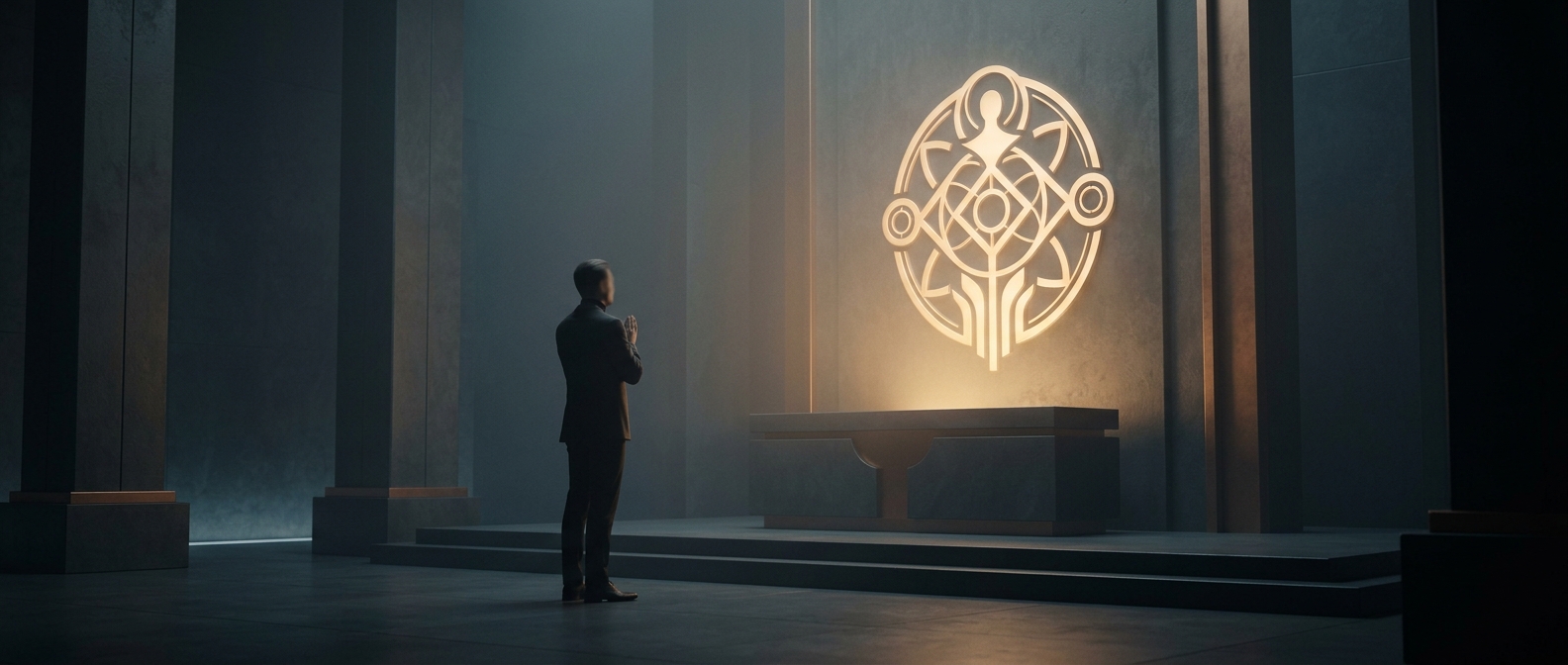
Comte gave the system more than abstract principles. He proposed places for worship, a calendar that commemorated influential thinkers, and ceremonies for stages of life. The honored figures served as models of service and intellectual achievement—a secular counterpart to saints, rather than objects of divine intervention. The calendar and rites were meant to make remembrance habitual, not occasional.
This design also reflected a tension in Comte’s project. He wanted society guided by knowledge, but he believed knowledge alone could not inspire people to care for one another. Rituals could make shared values visible and repeatable, much as religious ceremonies do. His solution was an unusually complete attempt to make moral community out of human history itself: the past supplied its exemplars, and the living were asked to carry the inheritance forward.