A Toy That Seemed to Learn
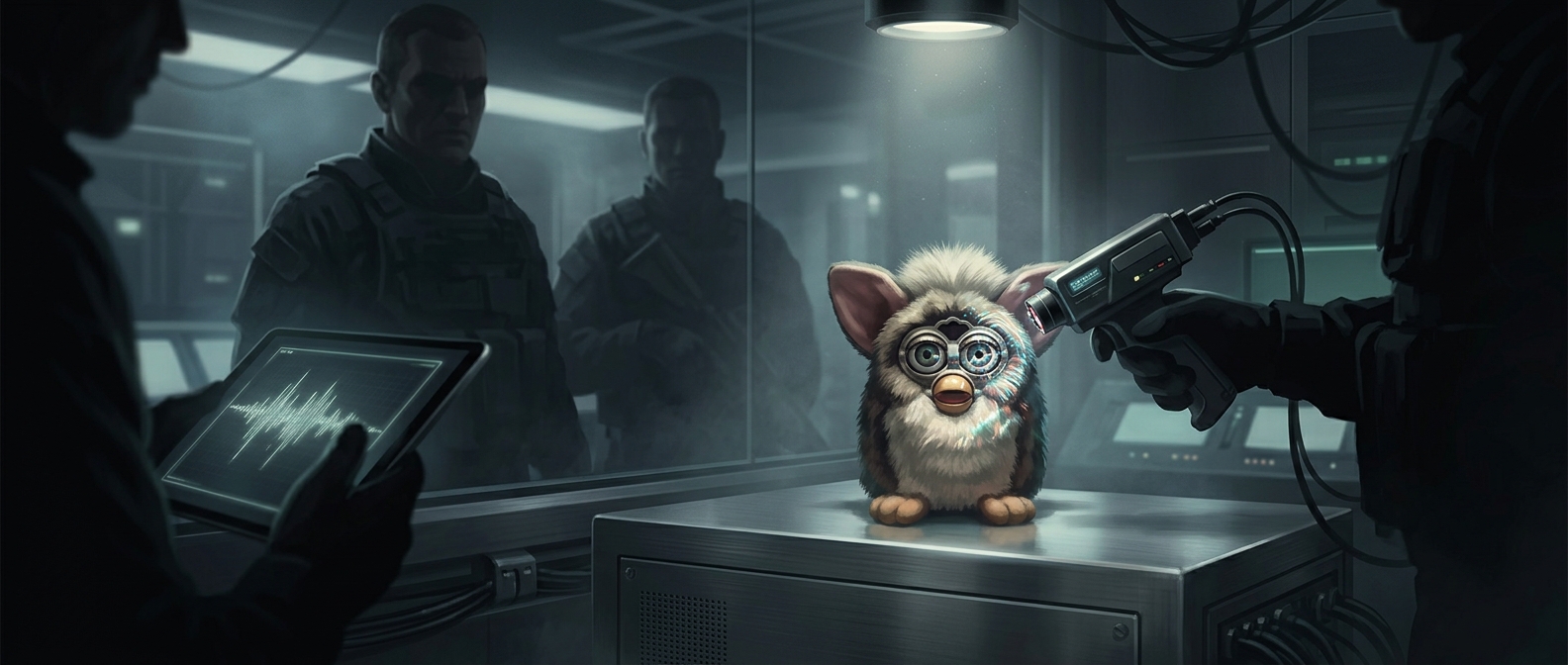
When a Furby arrived, it spoke mostly in “Furbish,” its fictional language. Over time, it used more English, giving the impression that it was picking up words from the people around it. In a place where conversations could contain classified information, that impression raised an obvious security question: could the toy repeat something it had heard?
Why the Concern Mattered in Secure Rooms
The Pentagon’s restriction was about controlling what entered sensitive spaces. A small electronic toy that talked and appeared to respond to its surroundings was difficult to assess at a glance. Even without proof that it could retain a conversation, officials had reason to keep an unfamiliar device out of rooms where accidental exposure of information could matter.
The concern was not that a Furby was an especially sophisticated spy gadget. It was that secure facilities rely on strict rules for devices brought inside: if a device’s capabilities are unclear, excluding it is simpler than risking it near sensitive discussions.
The Difference Between Learning and Progressing
Furby’s changing speech helped create the worry. Its language shifted as the toy progressed through its built-in behavior; that could look like learning from nearby speech. But a changing repertoire is not the same thing as recording a conversation and replaying it. The toy’s behavior made the security fear understandable, even though the appearance of learning could be mistaken for a more capable listening device.
That is why the ban became memorable: a playful toy’s gradual move from gibberish to English collided with the Pentagon’s need to treat every device in a secure room as a potential risk.