Why friends can open TikTok to different worlds
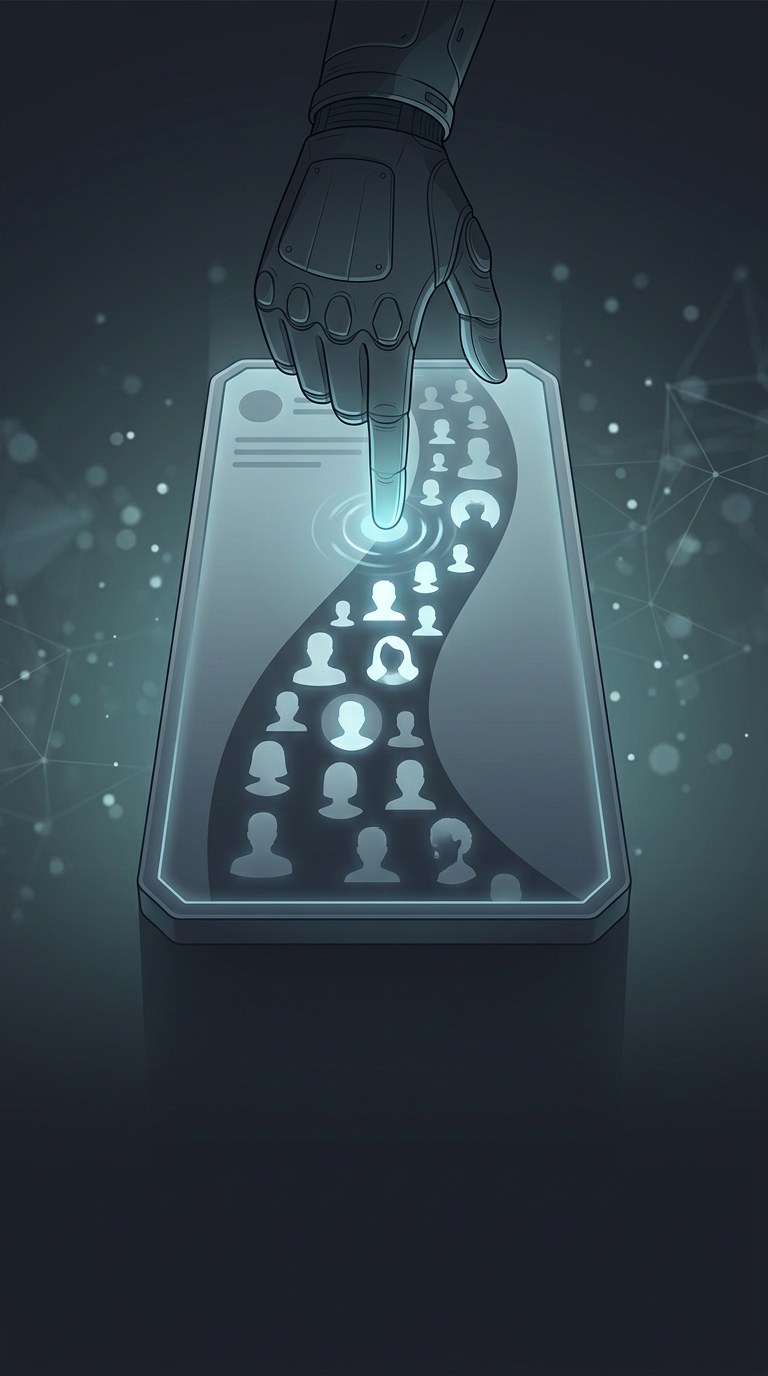
TikTok does not hand every viewer one shared queue of popular videos. Its recommendation system ranks clips for each account, so two friends can open the app at the same moment and see entirely different versions of what is “trending.” A viral dance may reach both, but one person’s feed might quickly pivot to cooking techniques while the other gets local comedy or gaming clips.
Each view helps shape the next one
The feed is a feedback loop. Watching a video, skipping it, searching for a topic, or interacting with a creator gives the system clues about what may hold that viewer’s attention. Those clues influence what appears next. A person who searches for neighborhood restaurants may encounter a cluster of nearby food videos; a friend who watches music tutorials may be steered toward a very different cluster.
TikTok can also use broad context such as language or location to help surface relevant videos. That does not mean everyone in a place gets the same feed: local context is only one part of an individualized ranking process, alongside each account’s activity and the videos available to recommend.
Popularity is not the same as shared experience
Because videos travel through both broad trends and narrow interest communities, friends can use the same app without seeing the same cultural moment. One may recognize a niche creator or recurring joke that the other has never encountered. Comparing feeds can therefore reveal less about what TikTok users as a whole are watching than about the different trails each account has followed—and the next search or watch may send those trails in a new direction.