Why British and American carousels turn opposite ways
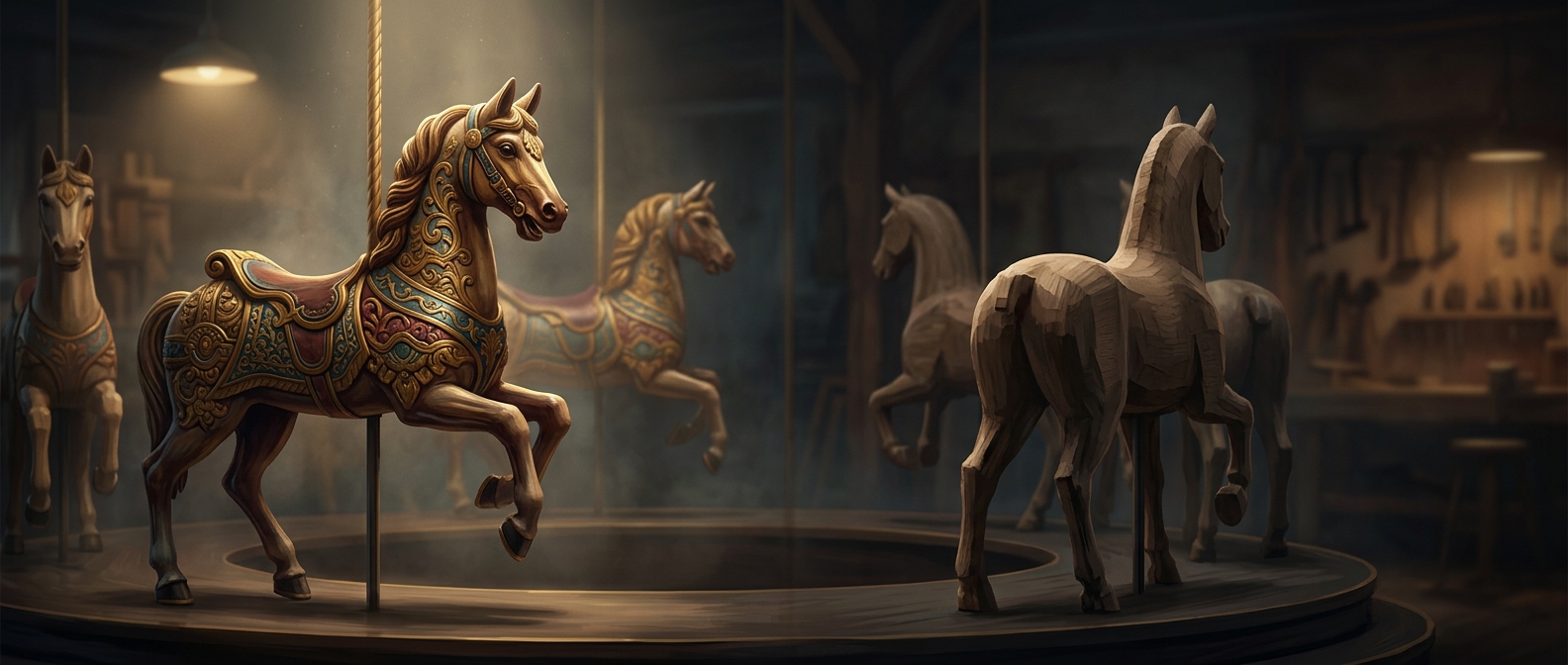
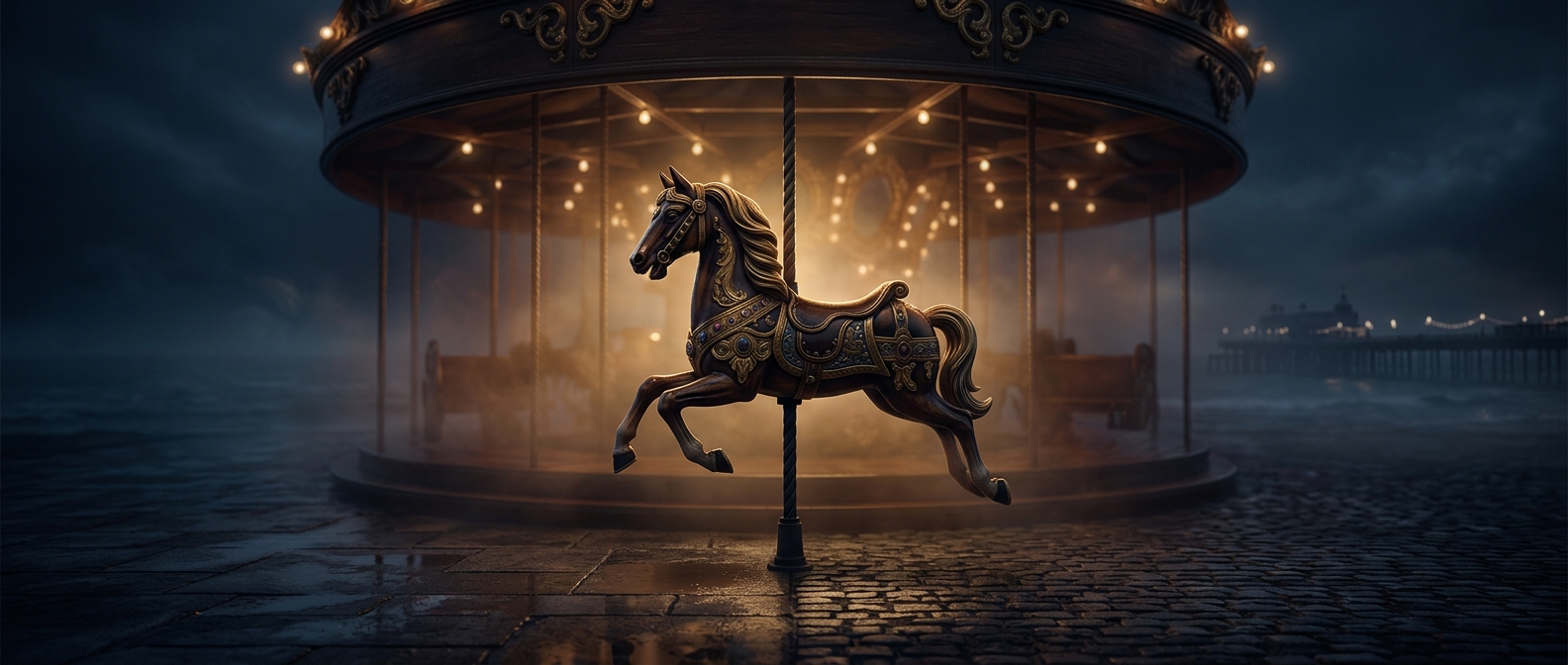
The direction of a carousel is tied to an old horseback-riding habit: riders traditionally mount a horse from its left side, also called the near side. Carousel horses are fixed to the moving platform, so the way the platform turns affects which side is easiest to reach from the boarding area.
With the horses arranged for that approach, a clockwise turn became customary on British carousels; American carousels traditionally turn counterclockwise. The opposite directions preserve the same practical idea—bringing a horse’s left side within reach of someone standing on the platform—while reflecting different national carousel conventions.
A small detail inherited from real riding
On an actual horse, mounting from the left became standard through long-standing riding and handling practices. Carousel makers carried that convention into the layout of their machines: the horses’ orientation, the boarding platform, and the direction of rotation work together to make the near side accessible.
So the direction is not just a visual flourish. It is part of how a carousel accommodates riders, turning a centuries-old mounting habit into a feature of the ride’s motion.