The clock is a quiet timing cue
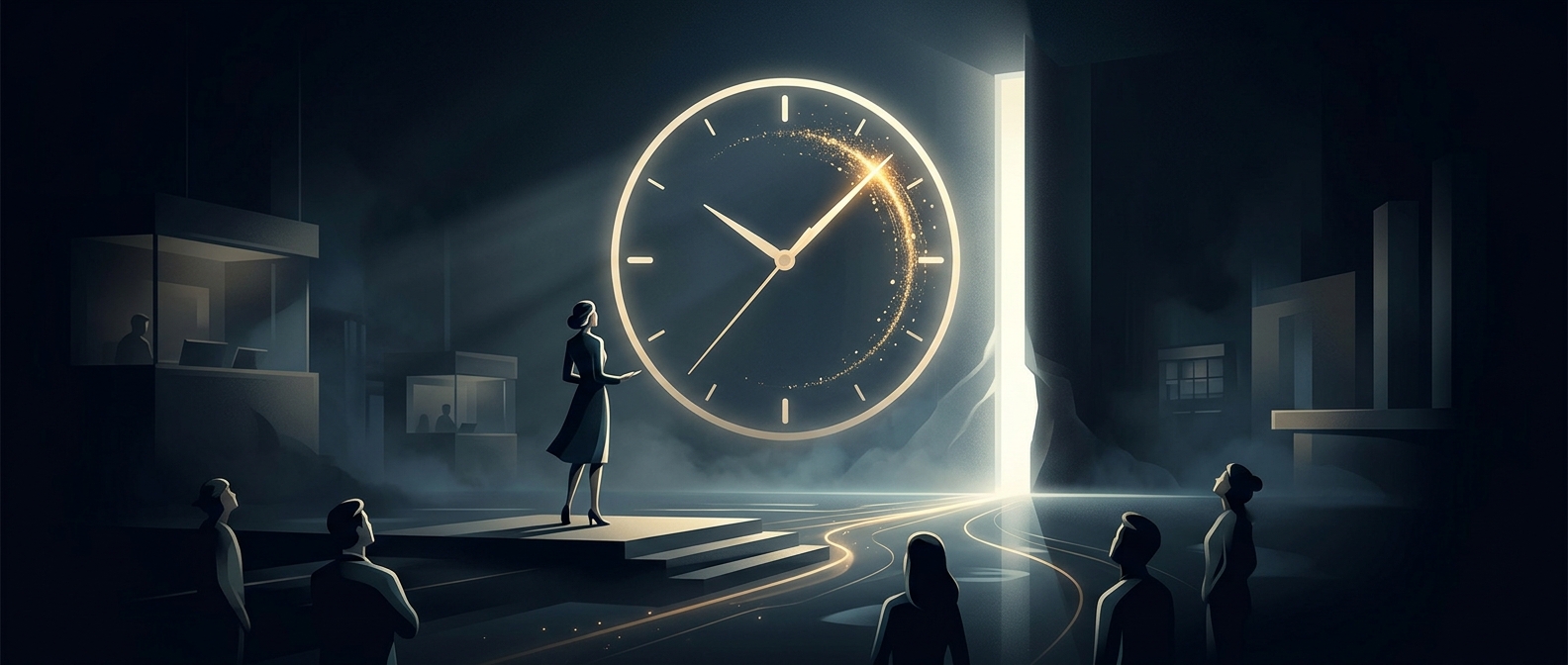
A studio clock that runs a little fast gives a host a visual reminder that the segment is moving toward its limit. During a conversation, it can be easier to glance at a clock than to notice a producer’s signals or calculate how much time remains. Seeing the hands farther ahead than expected may prompt a host to shorten a follow-up, wrap a story, or move to the next topic.
Why a small nudge matters
Live broadcasts are divided into timed segments, with commercial breaks scheduled at specific points. If a host keeps talking past a planned break, the control room has fewer options: producers may have to cut the conversation abruptly, trim something later, or disrupt the program’s running order. A clock that encourages an earlier finish creates a little breathing room before that deadline.
The clock is only a cue, not a mechanism that makes the broadcast run on time. Producers still monitor the schedule and communicate with the host, and different programs use different timing practices. The useful feature is its subtlety: it can hurry a long-winded speaker without interrupting the conversation with a spoken warning. A few minutes gained in the studio can mean a cleaner handoff to the next item—and a commercial break that starts when viewers expect it.