Why a glass is built around ice
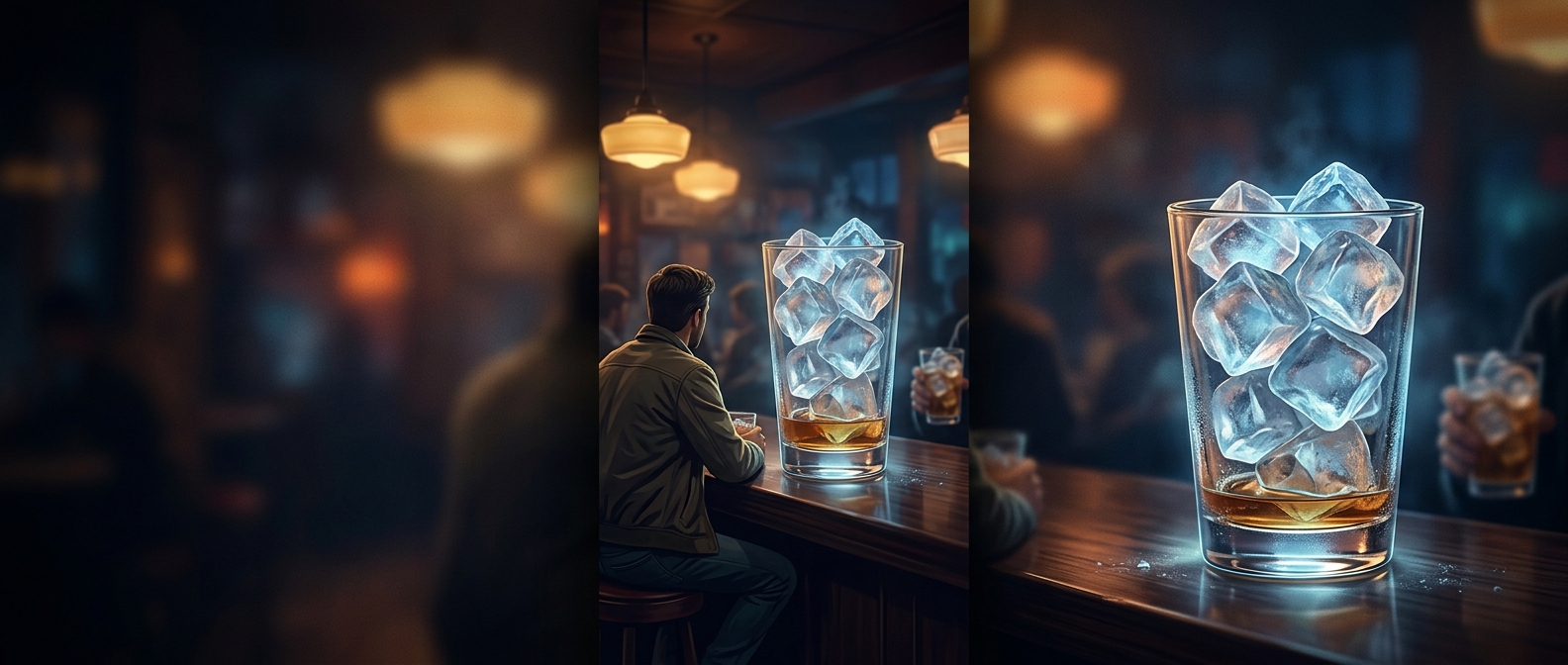
In many American restaurants, ice is part of the serving method, not just a last-minute way to chill a drink. A fountain machine dispenses a measured amount of soda or another beverage into a cup already packed with ice. The ice cools the drink as it melts, while the cup’s large size leaves room for both. For the restaurant, using ice also means each serving takes less beverage than filling the same cup with liquid alone.
A habit shaped by convenience
Ice is easy to make and store in commercial freezers, so restaurants can use it generously without treating it as a special extra. It also suits the way many casual meals are served: drinks are expected to arrive cold, and customers may keep sipping them over a long meal. In places where free refills are common, the first glass is not necessarily meant to hold a full meal’s worth of liquid; customers can ask for another pour.
That routine can be surprising to visitors accustomed to drinks served mostly without ice, or to smaller glasses of concentrated beverages. The same cup may look generous while containing less drink than its size suggests.
The tradeoff in the glass
Ice chills quickly, but it gradually melts and dilutes the drink. Some people like that; others ask for light ice or no ice to get more liquid and preserve its original flavor. The restaurant’s standard pour reflects a practical balance—cold, ready-to-serve drinks and predictable portions—rather than a universal idea of how a drink should be served. In the United States, the ice is often as much a part of the serving routine as the soda itself.