One price hides the comparison
When a meal is sold as a bundle, the customer sees a single total rather than a clear price for each component. That changes the decision from “Is this drink worth its price?” to “Is the whole meal a good deal?” The second question is easier to answer quickly, especially when the bundle is presented beside separately priced items or a higher-priced option.
The bundle’s apparent savings may be real, but the total alone does not show where they come from. A restaurant might discount the side, keep the drink close to its usual price, or simply set a package price that looks attractive against buying everything separately. Without the separate prices, customers cannot readily judge those tradeoffs.
Why the bundle can encourage a larger purchase
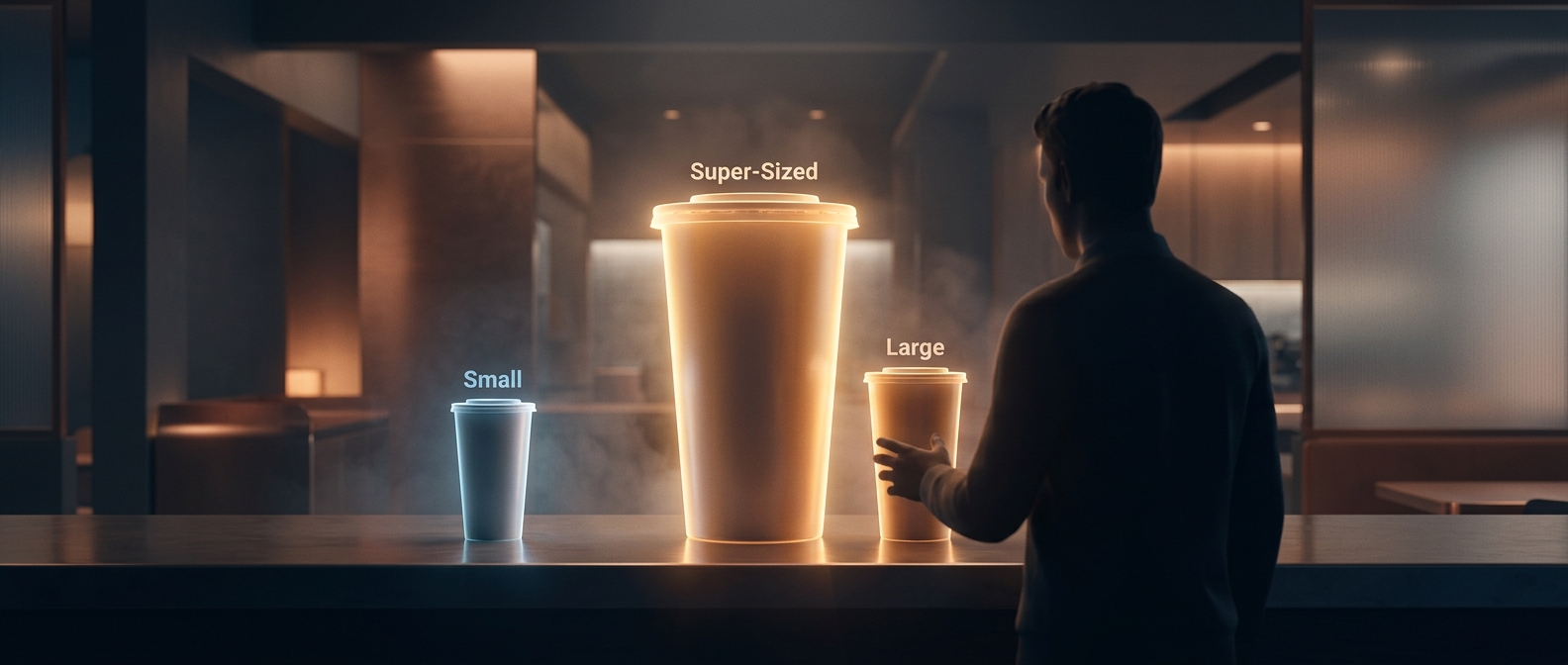
A person who wanted only a sandwich may accept fries and a drink because the package seems like a small step up. The relevant comparison becomes the extra amount needed to upgrade—not the full price of each addition or whether they wanted them in the first place. This is a form of price framing: the way a price is presented guides what people compare.
For the seller, bundling can make ordering simpler and increase the chance that customers choose several items together. It can also move attention away from the individual margins—the difference between what an item costs the business and what it sells for—and toward the package as a whole.
The useful comparison
A bundle is not automatically a bad deal. Its value depends on what the customer would have bought anyway. Comparing the package total with the separate menu prices, when available, reveals the stated discount; comparing it with the cost of the items actually wanted reveals whether the upgrade is worthwhile. A low added price can still buy food or a drink that would otherwise have been skipped.