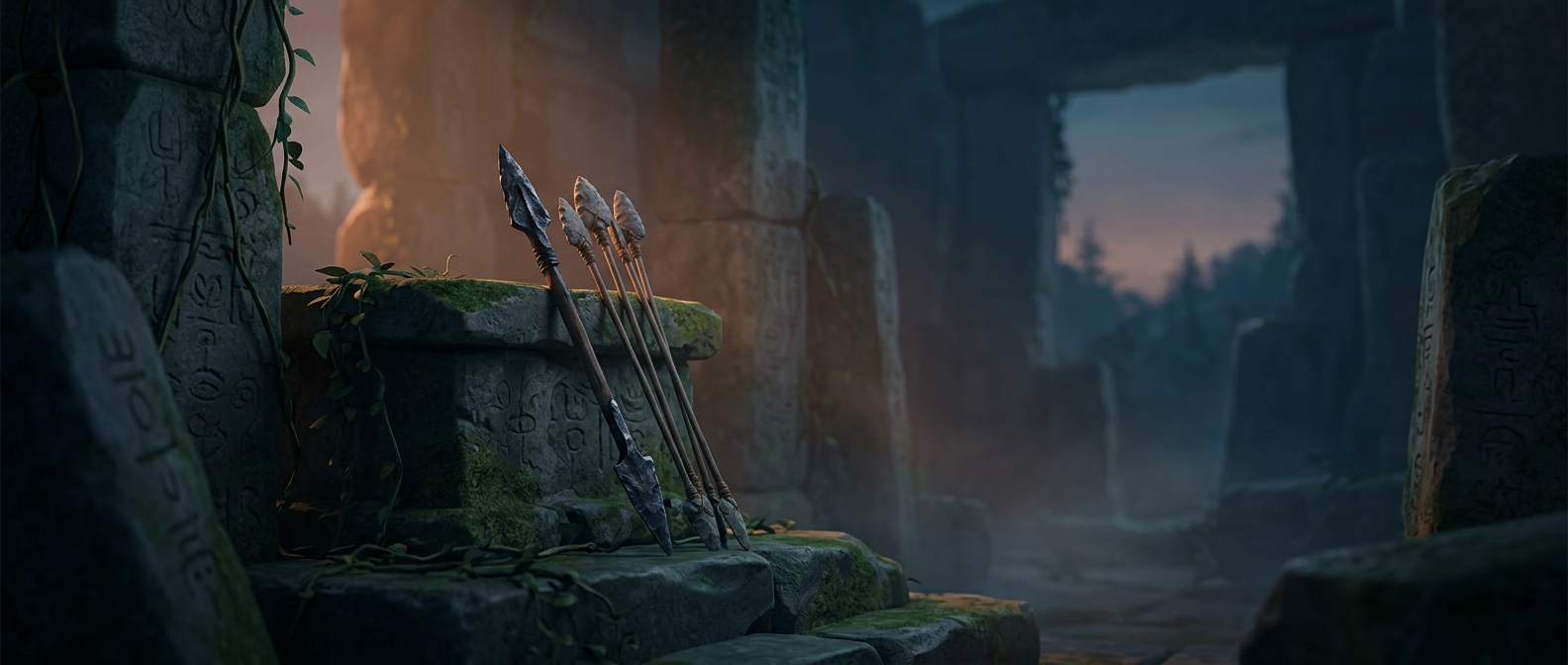
A ruin can outlast the world around it
An altar may be thousands of years old, but the hilltop or valley around it did not become frozen in time when its builders left. Ruins have stood through later settlement, warfare, hunting, and casual visits. A bullet in ancient stone records a much newer event layered onto a much older place.
How a bullet gets into the stone
A firearm sends a small metal projectile into a surface at high speed. If it strikes stone, it may leave a pit, chip, or crack; a projectile can also lodge in a gap or in damaged masonry. The mark can look startlingly out of place beside carefully shaped ancient blocks, but the impact itself needs no ancient explanation: gunpowder weapons arrived long after the altar was built.
The shooter’s purpose is not always recoverable. A site might have been caught in later fighting, or someone may have fired at the ruin as a target. Without a securely dated projectile or other evidence, the damage alone usually cannot distinguish those possibilities.
A visible layer of later history
Archaeologists treat a site as a palimpsest—a place where different periods leave traces on top of one another. The bullet is not evidence that the altar and firearm belonged to the same era. It is evidence that people continued to encounter and use the place long after its original religious purpose faded. One small impact can make that long afterlife impossible to miss.