A boss’s sword is balanced for the boss, not the inventory
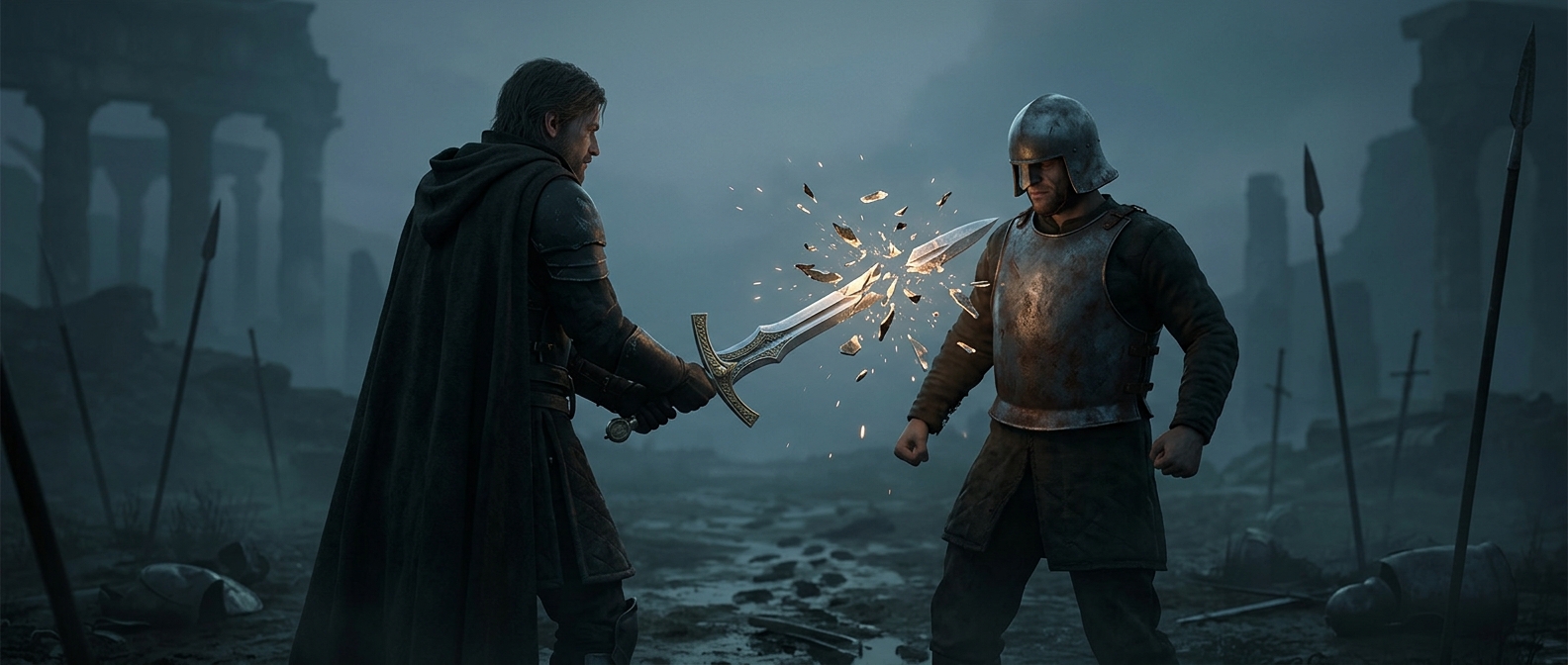
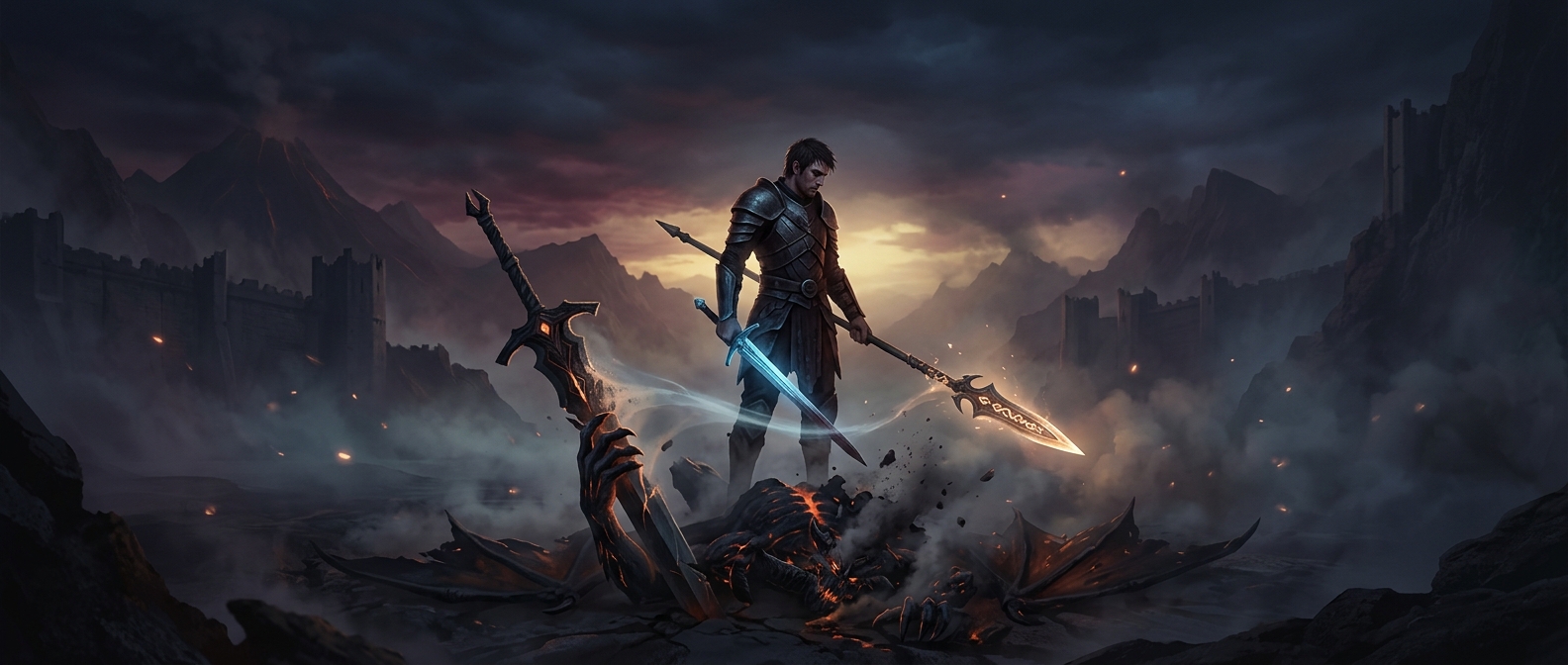
The weapon that cuts through the player may look like a single object, but games often treat it as two different combat tools. While a boss holds it, the sword’s damage can be tuned as part of the encounter: the designers control when the boss swings, how much warning the attack gives, and how many chances the player has to respond. A punishing hit can make a major attack feel dangerous—especially if it is slow or clearly telegraphed.
Once the sword becomes loot, that same damage would enter a different system. The player may be able to attack more often, combine the weapon with upgrades, or use it against ordinary enemies. Leaving its boss-level power intact could flatten later fights or make other weapons seem pointless. Reducing the damage lets the reward feel connected to the victory without letting one encounter’s attack strength dictate the rest of the game.
The pickup is a balance change, not a continuity error
Games can assign different damage values to the same-looking weapon depending on who is using it. Boss attacks may also gain force from special moves, timing, or encounter-specific rules; the sword itself need not be responsible for every point of damage. The player receives a version calibrated for the broader weapon system, where damage has to coexist with other equipment and progression.
That gap can feel startling because the visual object promises the boss’s power. But the practical reward is often not a copy of the boss’s entire attack package. It is a player-ready weapon, adjusted so the win does not turn every fight afterward into a one-hit affair.