A Movie Gun Is Built for the Scene, Not the Worst Day
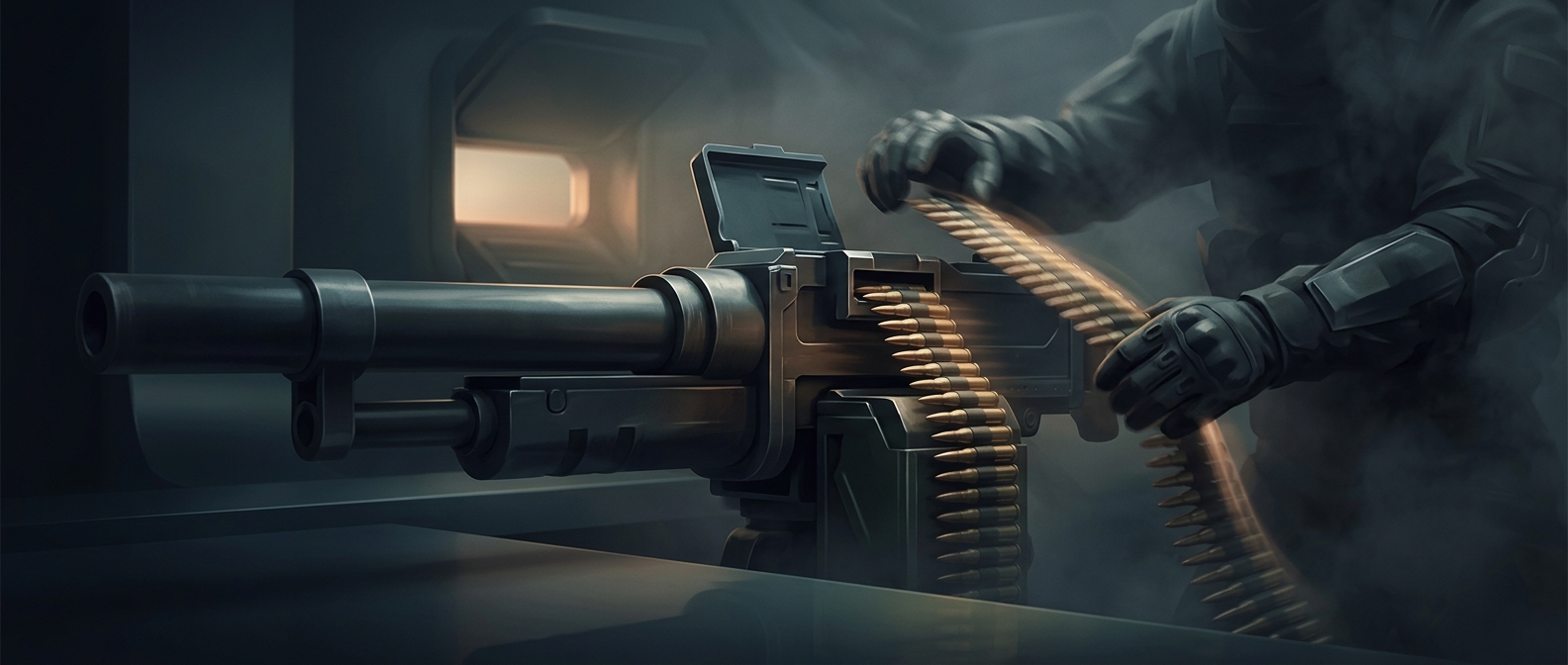
A firearm has moving parts that must feed a cartridge, fire it, and eject the spent casing. Dirt, water, damaged ammunition, or a poorly seated magazine can interrupt that sequence. Lubrication and a gun’s design affect how well it tolerates trouble, but no ordinary rifle is guaranteed to keep working after months in mud and sewage.
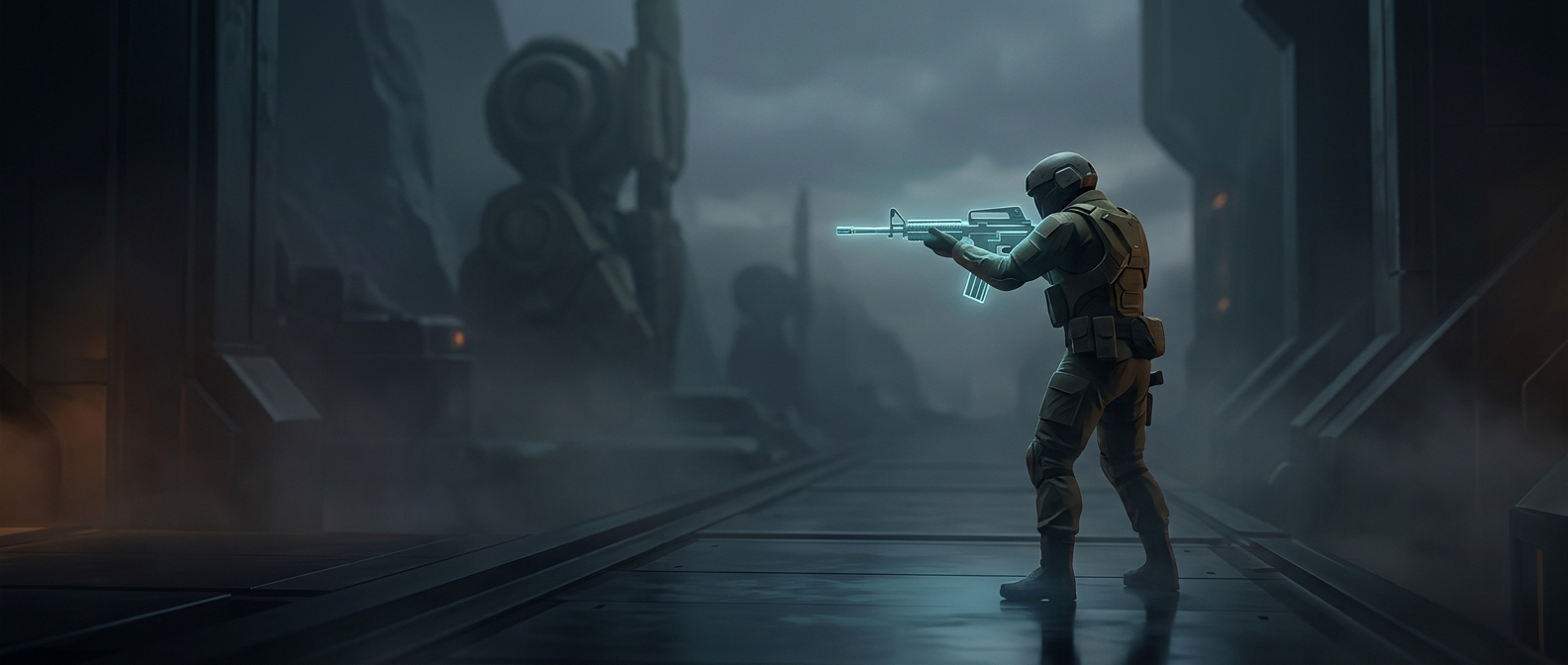
Movies often sidestep those conditions altogether. A weapon on screen may be a non-firing prop, a replica, or a real firearm adapted to use blanks—cartridges that make noise and flash but do not launch a bullet. Some scenes also rely on visual effects. A blank-firing setup still has to function as intended, but it is not the same as a rifle enduring combat conditions.
A Jam Changes the Scene
Most action scenes are choreographed around a clear rhythm: the character aims, fires, and moves. A malfunction would interrupt that rhythm, force a response, and make the character’s next choice more complicated. Unless the story wants that complication, a director has little reason to show it. When a jam does appear, it becomes a plot event: the character must clear it, switch weapons, or face danger while unable to fire.
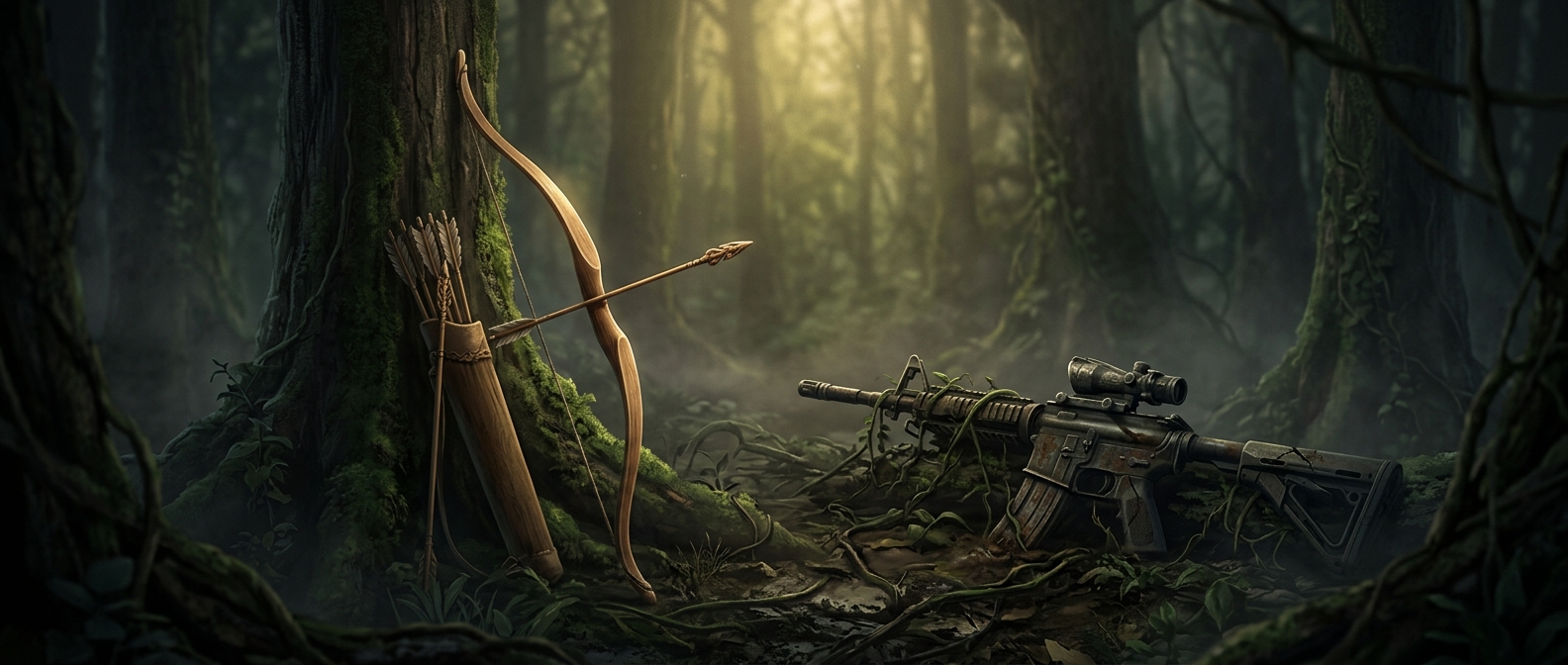
That selectivity creates the familiar illusion of effortless reliability. A movie gun works because the scene needs it to work—not because firearms are immune to grime, water, or wear. The cinematic shortcut is easy to spot when a character pulls a rifle from filthy water and immediately treats it like a clean, tested weapon.