Why a Wooden Bow Can Beat a Rifle in a Game
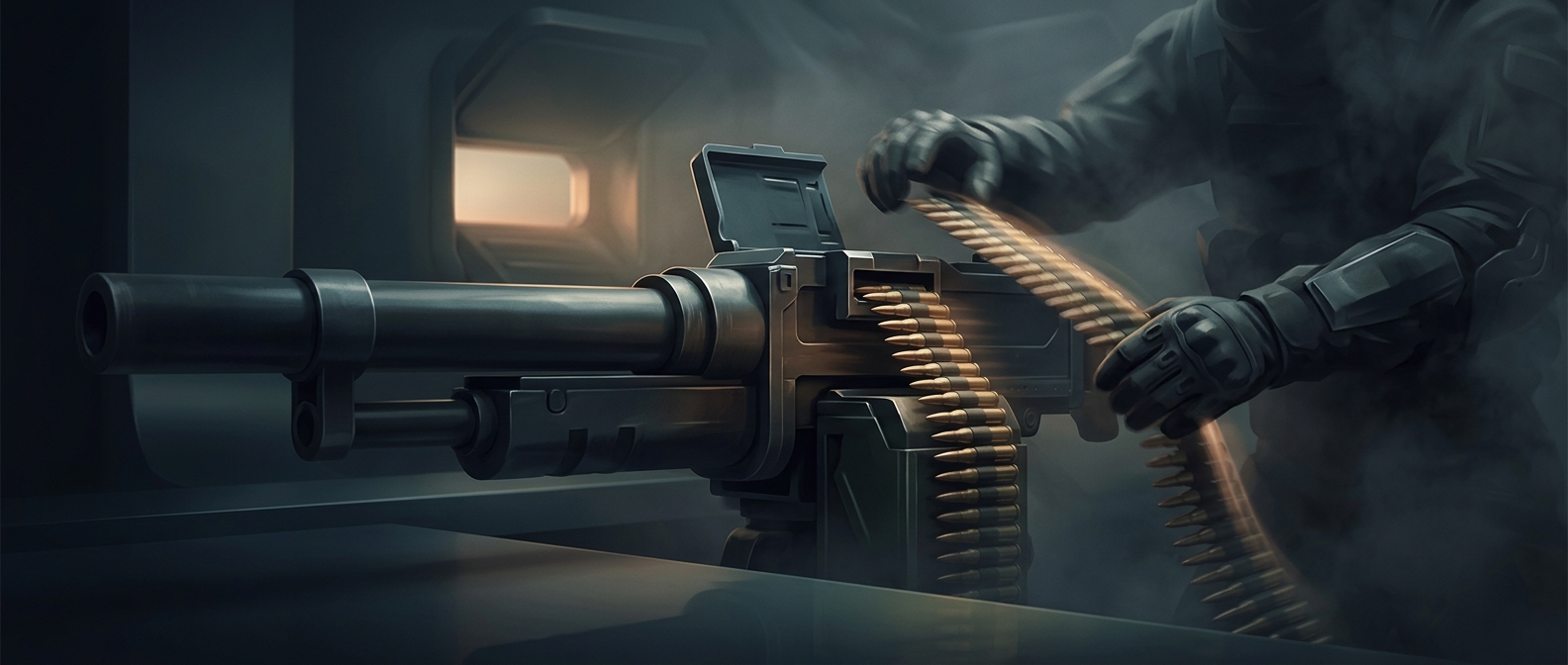
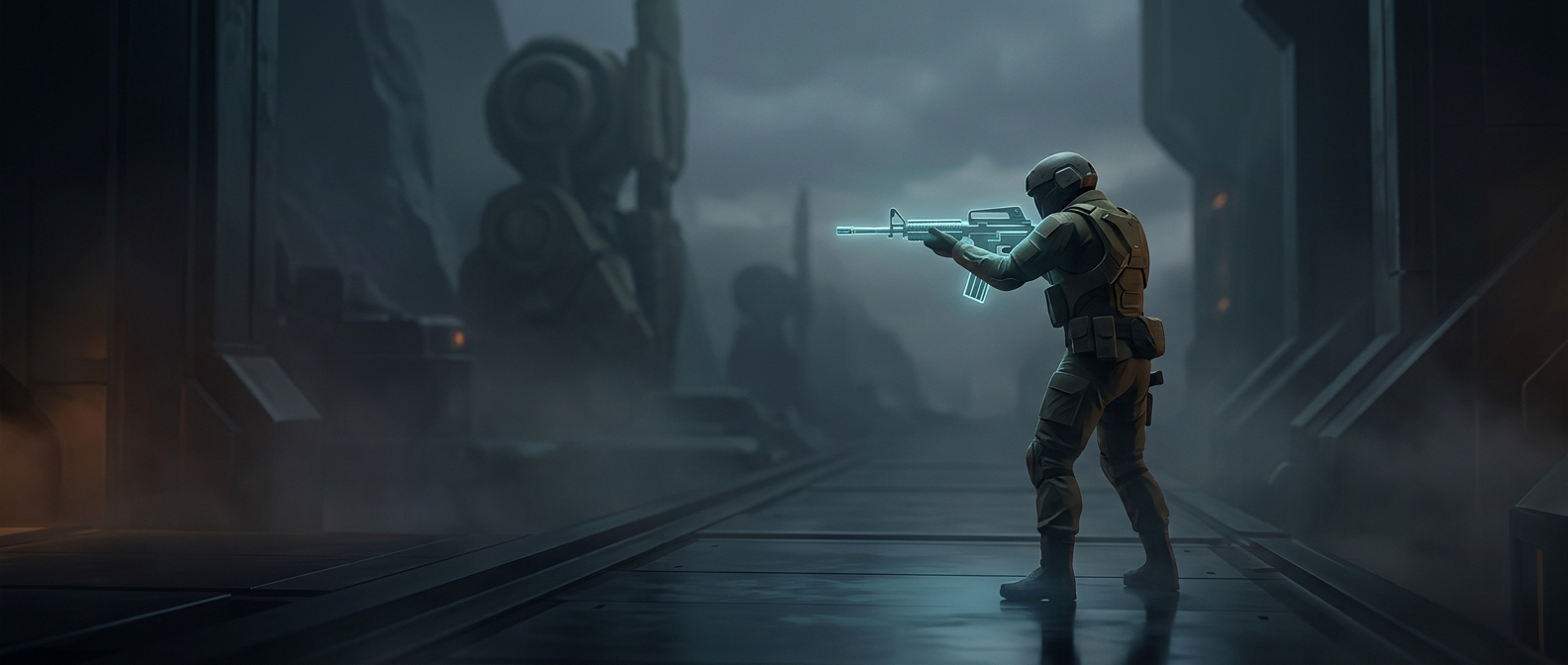
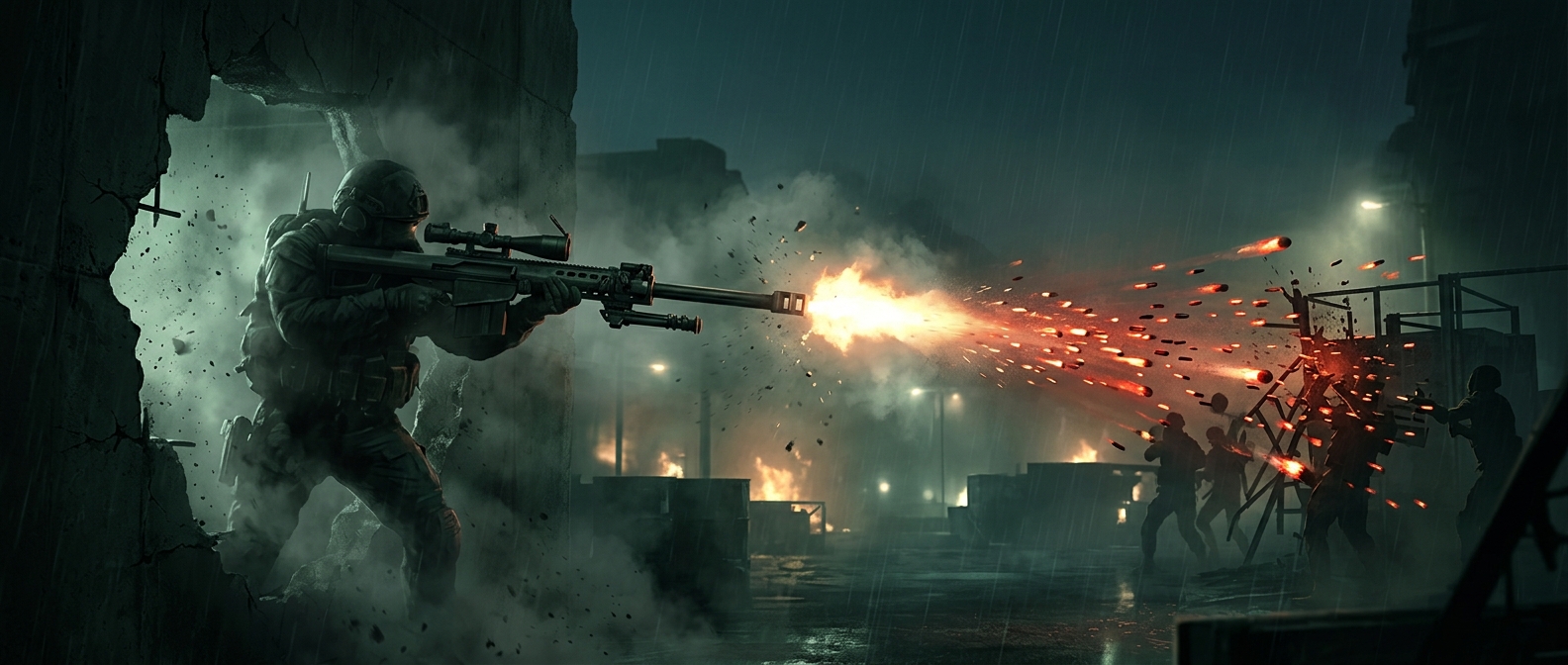
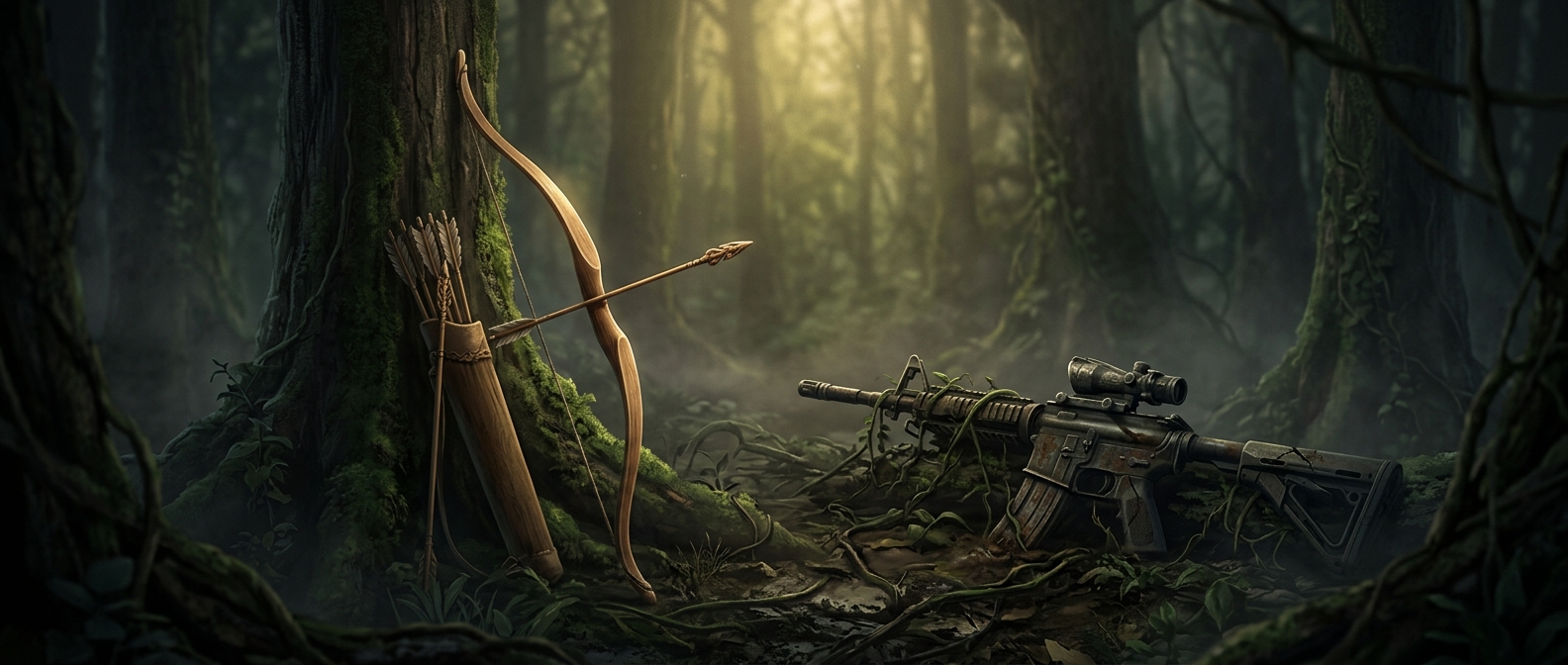
A game does not have to model every weapon by the same real-world standard. It assigns each weapon rules: how much damage it deals, how quickly it can be used, how easy it is to aim, and what happens when an enemy is hit. Those rules can make a bow seem stronger than a modern firearm even when the game is not claiming the bow would outperform one outside the game.
The Draw Becomes a Damage Control
Many games make a bow’s power depend on how far the player pulls the string before releasing it. Holding the draw can trade time for damage or accuracy, turning a simple action into a decision: shoot quickly, or wait for a more powerful shot. A firearm may instead deliver a fixed amount of damage per hit, with its strengths represented through rapid follow-up shots or easier aiming.
That comparison depends on the specific bow and arrow, the target, and what “outclass” means. A bow might deal more damage in a single carefully charged hit, while a rifle remains more effective over several shots or at a distance. Without those details, one weapon cannot be declared the better one in every sense.
What the Balance Is Really Doing
Designers can use this contrast to give weapons distinct roles. A slow, high-impact bow rewards patience and careful timing; a firearm may offer reliability and speed. The result is not necessarily a simulation of weapon performance. It is a set of tradeoffs intended to make each choice feel useful during play.
So when a wooden bow tops a rifle in a damage comparison, the revealing detail is often the rule behind the number: a fully drawn shot may be rewarded more than a quick trigger pull. The game is measuring its own combat system, not settling a real-world contest.