A short journey gives the workday edges
Remote work removes the trip between home and office—but that trip once did something besides move a person. It marked a transition: the workday began after arrival and ended on the way home. Without that boundary, a laptop can stay within reach long after work is supposed to be over.
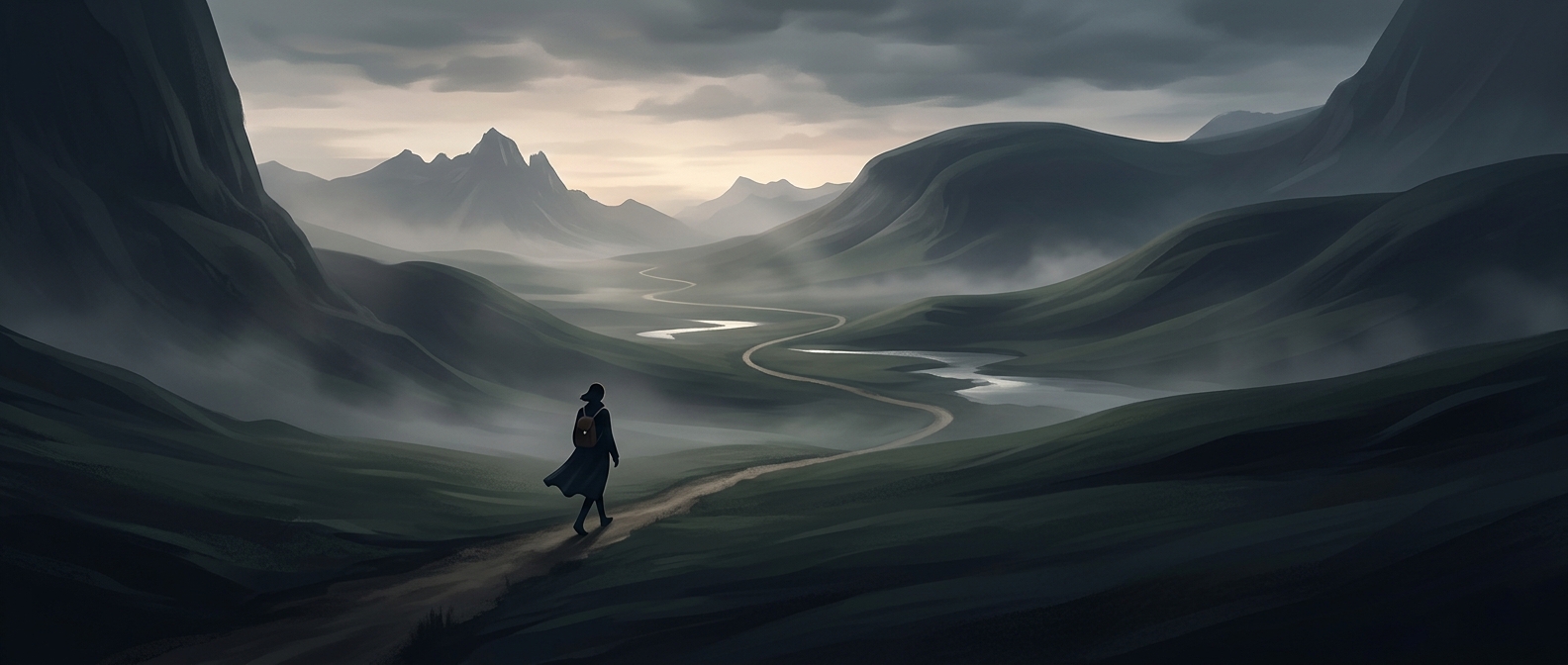
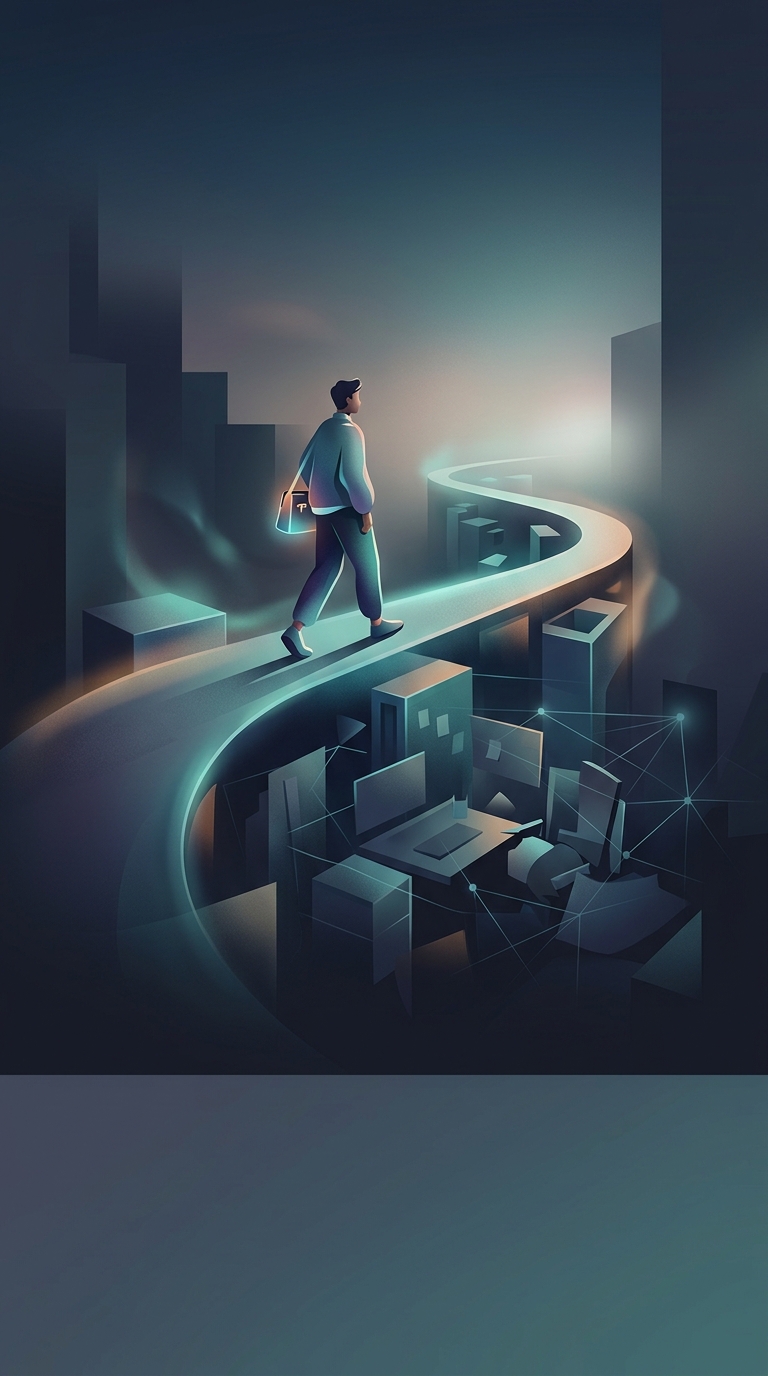
A “fake commute” recreates the transition without the office. A worker might walk around the block, cycle a familiar route, or simply leave home briefly before starting and repeat the ritual at day’s end. The route acts as a cue: now it is time to shift into work, or to leave it behind.
The useful part is the separation
That pause can make it easier to stop carrying work mentally into the evening. A closing walk, for example, creates a gap between the last meeting and home life—a chance to step away from screens, let the day settle, and return with attention available for something else. A morning version can help replace the gradual drift from breakfast into email with a more deliberate start.
This helps explain why remote workers who practice the ritual report lower burnout: the commute is less about distance than about a dependable boundary between work and the rest of life. The walk itself need not be long or scenic. What matters is repeating it as a clear beginning and ending, so home does not have to function as workplace at every hour.