Why Red Bull Can Sell a Drink Without Running the Factory
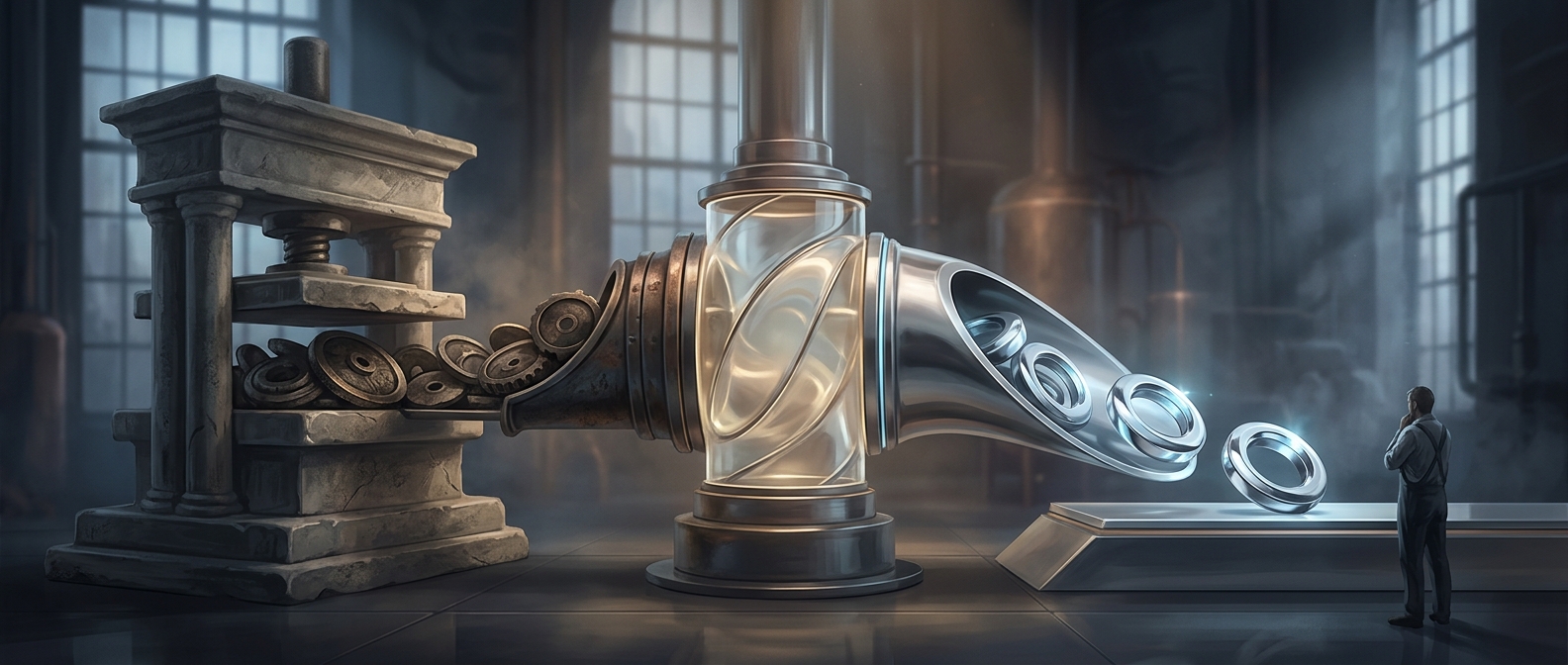
A beverage company does not have to own the plants that make its product. It can set the recipe and quality requirements, then contract specialist manufacturers to produce and package the drink. That arrangement lets a brand concentrate investment on product development, distribution, and customer demand rather than building and operating every factory itself.
Outsourcing does not make manufacturing irrelevant. The drink still has to be made consistently, packaged, and moved through a supply chain. The brand’s job is to coordinate those pieces and ensure that a can bought in one market resembles one bought in another. A factory partner supplies production capacity; the brand retains the commercial identity that customers recognize.
Marketing Becomes the Main Engine
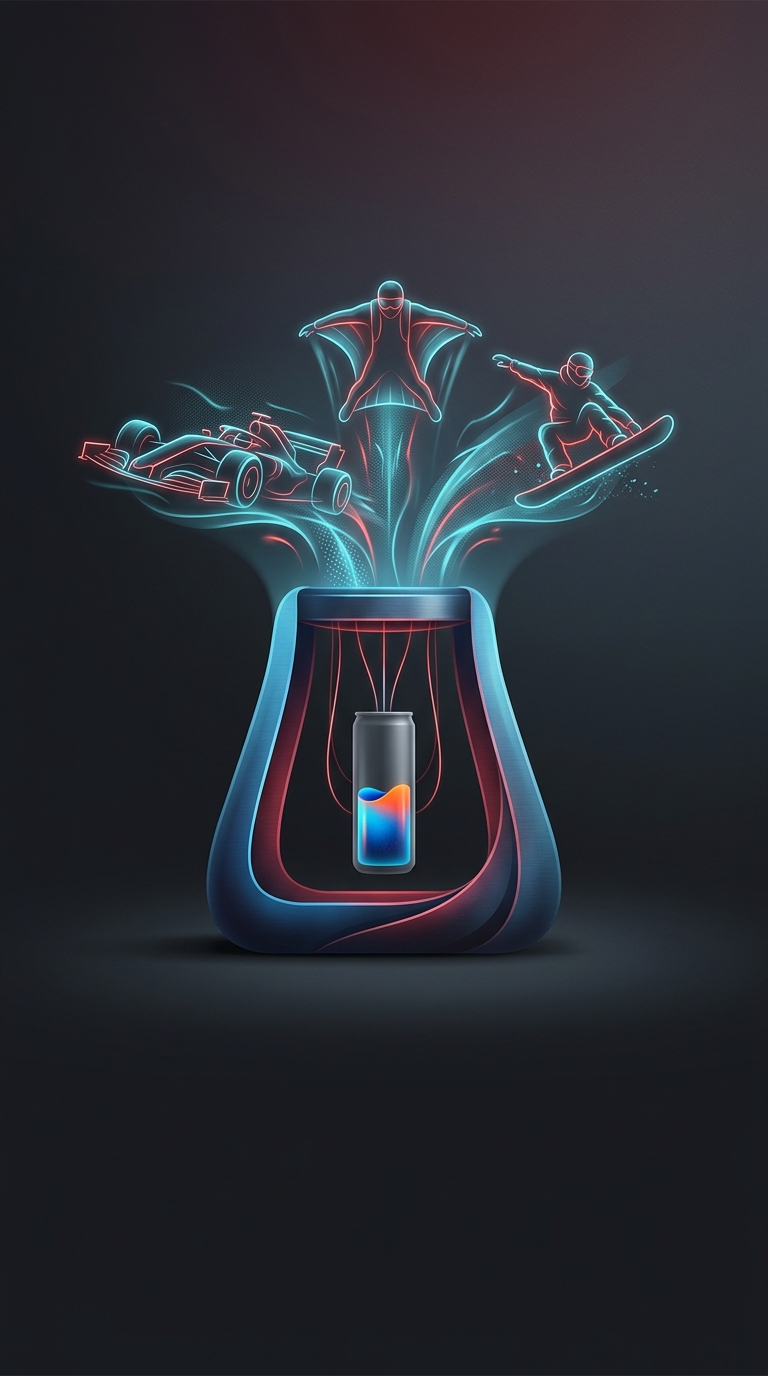
Red Bull’s unusual business emphasis is on making the brand visible and meaningful, not merely buying conventional advertising. Sponsorships, sports teams, and dramatic events place the name inside stories people choose to watch. That can turn an ordinary purchase—a can from a shop or a cooler—into a choice tied to a recognizable image of energy, risk, or performance.
This is an economic tradeoff. A company that outsources production avoids some factory costs, but it must still pay for reliable suppliers and logistics. And high-profile marketing is expensive: it only makes business sense if the attention helps sustain demand and supports the price customers are willing to pay. The spectacle is not separate from the product strategy; it is how the company makes a widely imitable drink distinct in buyers’ minds.
What the Model Changes
The result is a company whose public identity can seem much larger than the physical act of making its beverage. Its advantage depends less on owning every machine in the chain than on coordinating production while building a brand people can spot immediately. The can may come from a partner’s production line, but the association that prompts someone to reach for it is the company’s own asset.