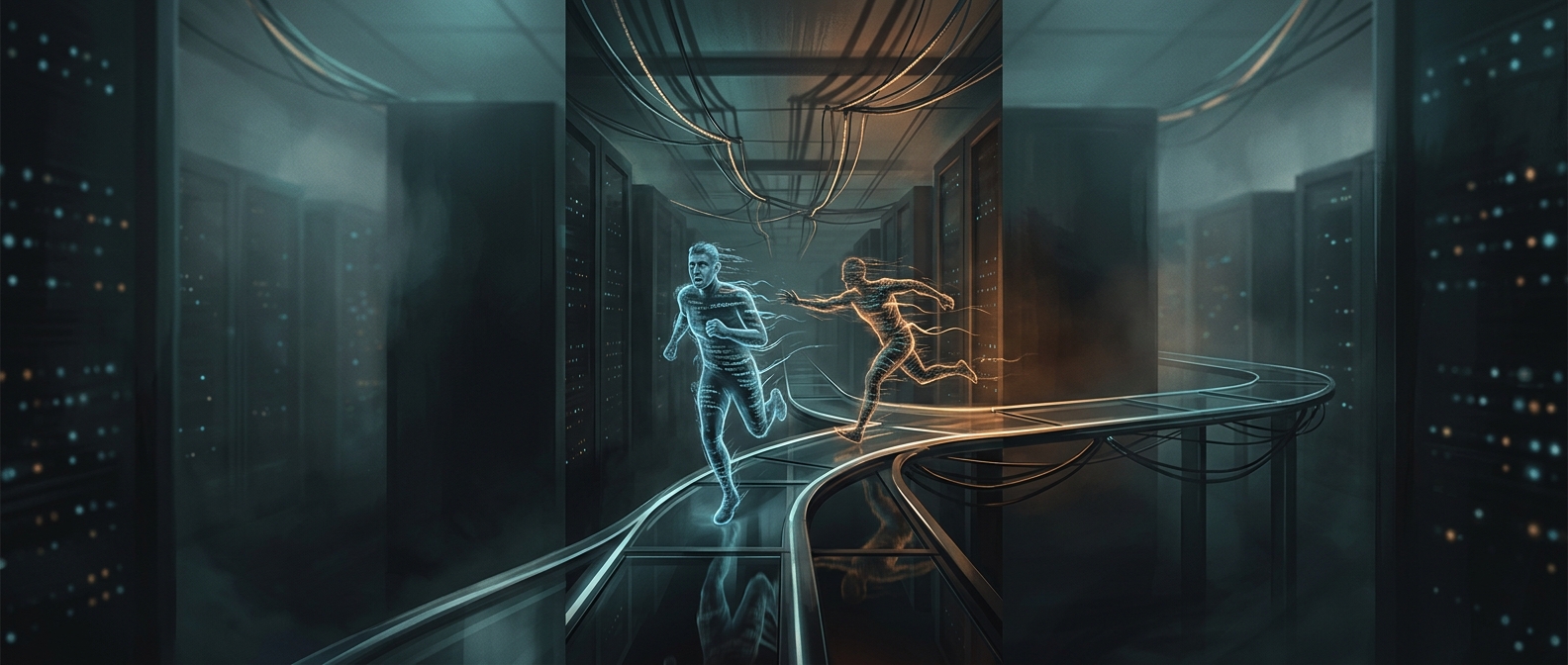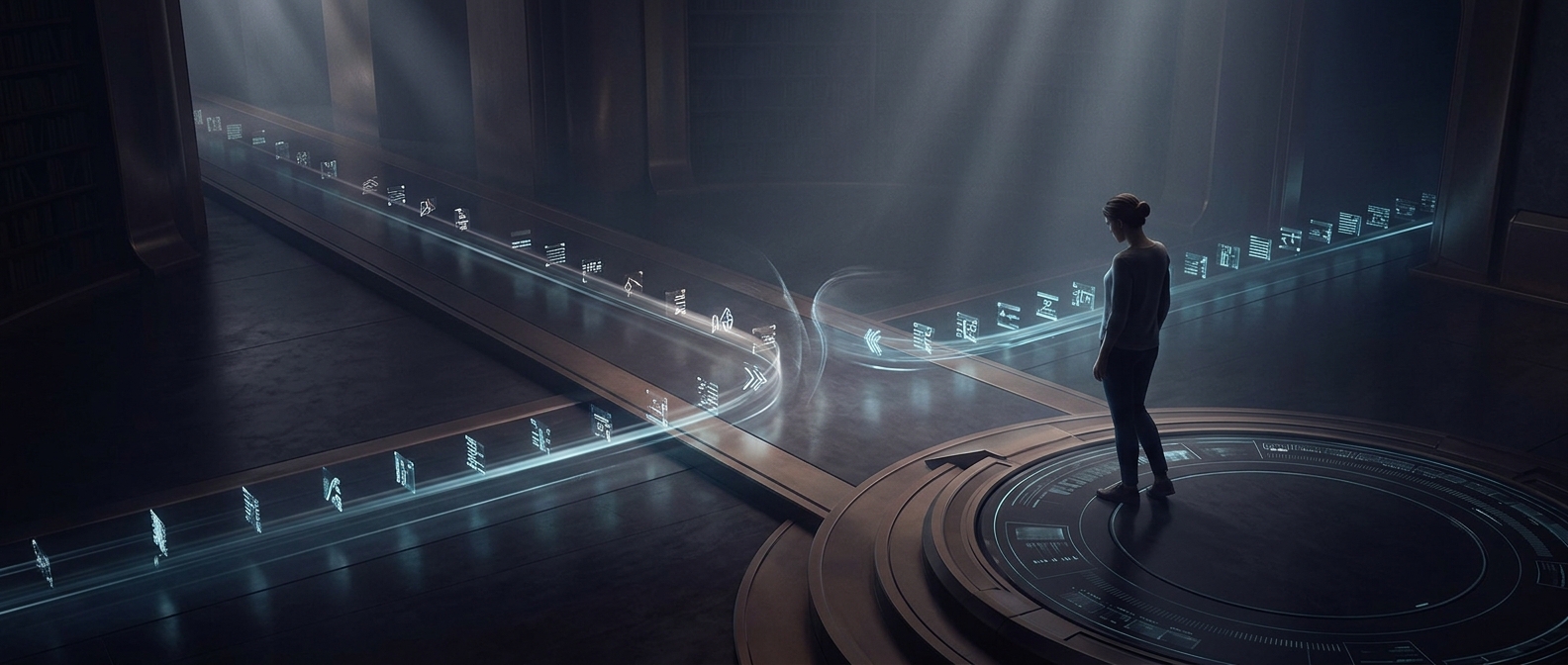
The characters stay the same; their order changes
Text is stored as a sequence of characters, but software also has to decide how to arrange them on screen. Unicode’s bidirectional algorithm handles languages written in both directions. A right-to-left override, or RLO, is an invisible control character that tells the algorithm to display the following text as right-to-left, even when those characters are English letters.
The letters themselves are not reversed or replaced. Instead, their visual order is rearranged. A second invisible control, the pop directional formatting character, can end the override and let later text follow its usual direction. Because the controls are hard to notice, the displayed line can look unlike the sequence a program actually reads.
Why that difference can matter
The trick can disguise a filename or a snippet of text. For example, a string whose stored ending identifies one file type may be displayed with that ending appearing at the beginning, depending on the surrounding text and the software’s handling of direction. Someone inspecting only the screen could therefore misread what is actually present.
This is a mismatch between logical order—the sequence stored in the text—and visual order—the arrangement shown to a reader. Tools that reveal invisible characters or display text in a direction-aware way can expose the control characters behind the apparent reversal.