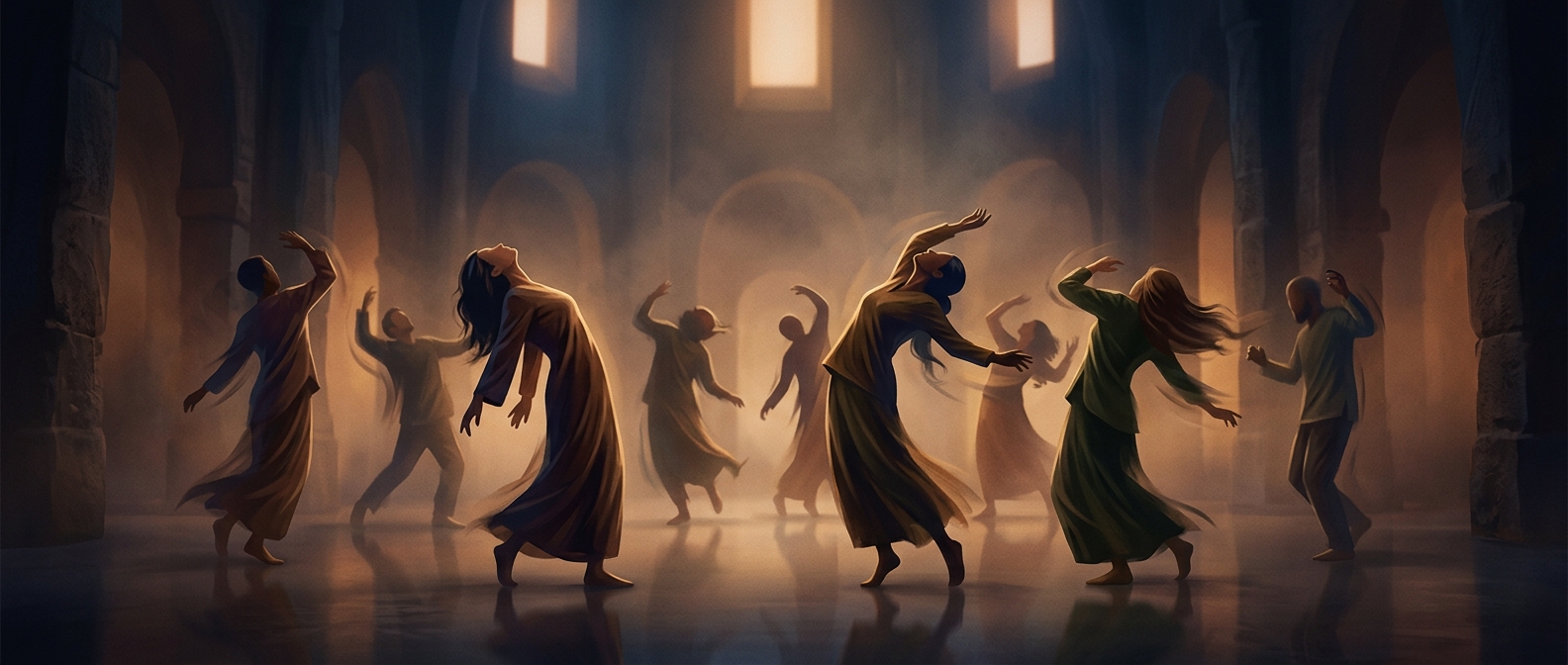
Why a guided session can look like dancing
In some body-based practices, a person lies down or holds a series of gentle positions until the legs or other muscles begin to tremble. Practitioners may invite the movement to continue, while the participant stays aware of the room and can pause or stop. The shaking can shift in rhythm or spread through the body, making a session look more like improvised movement than a conventional exercise routine.
The aim is not simply to tire out a muscle. Practitioners interpret the tremors as a way to notice and ease patterns of physical bracing—such as a tight jaw, raised shoulders, or clenched legs—that can accompany stress. They may describe this as helping the body release tension associated with difficult experiences.
What “stored in the body” means here
The phrase is best understood as a description of a mind-body experience, not as a literal claim that a memory sits inside a particular muscle. Stressful events can be followed by bodily reactions, including tension, startle, or changes in breathing. In this approach, attending to those sensations and allowing movement is meant to help a person feel safer and less guarded.
That interpretation is part of the practice’s framework; shaking by itself does not establish that trauma has been released. People can tremble for many reasons, including exertion, cold, or nervousness. A session’s emotional meaning depends on the person and the setting, not on the movement alone.
Why control matters
Because tremors can feel intense or bring up strong emotions, a careful session emphasizes choice: participants should be able to slow down, stop, or seek support. The striking idea is not that every shake erases the past, but that deliberate movement can make bodily tension visible—and give someone a way to work with it rather than simply brace against it.