The click may not come from a clicking part
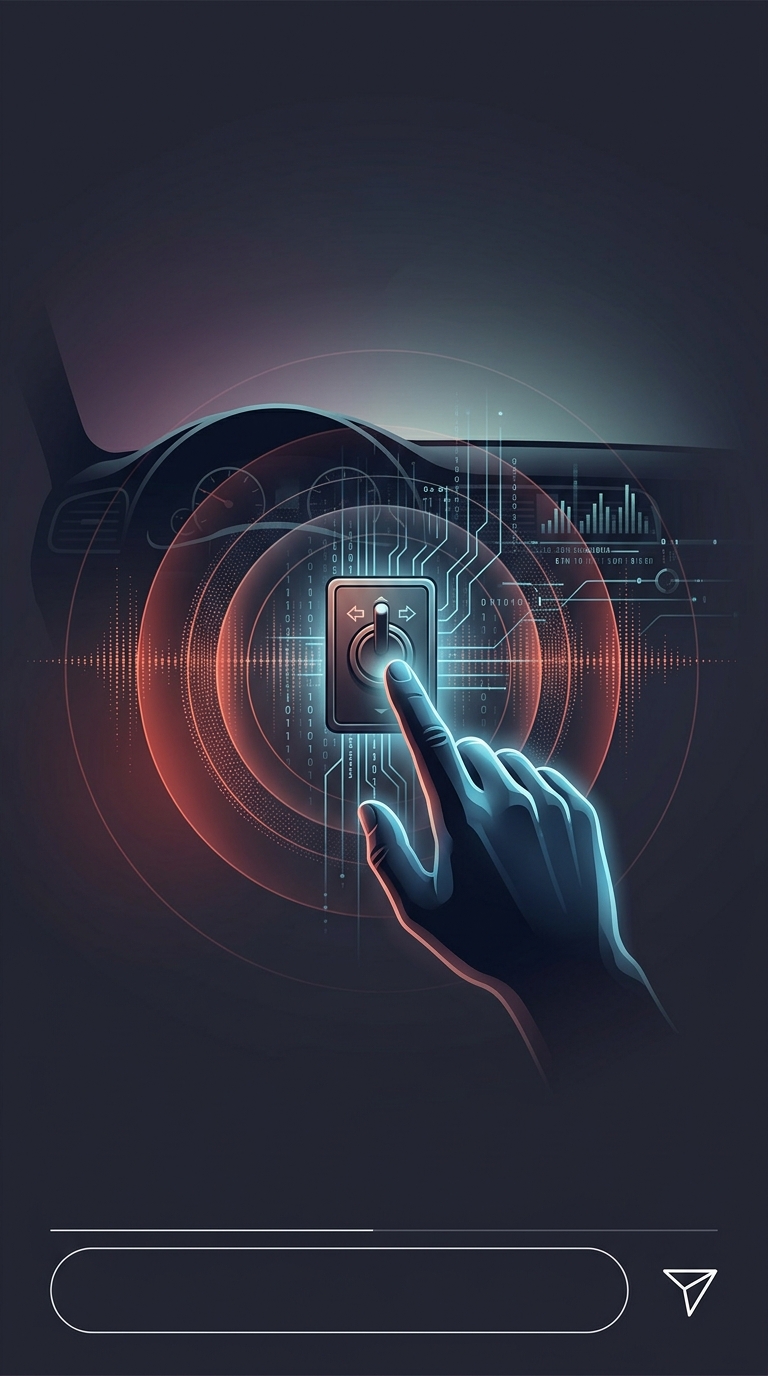
In many modern cars, the turn signal’s familiar tick-tock is a sound made for the driver, not a mechanical relay switching on and off. The signal is controlled electronically, and a small speaker—or the car’s audio system—plays the sound inside the cabin. The rhythm tells you the indicator is operating without requiring you to look down at the dashboard.
That can feel odd because the sound seems so plainly mechanical. But carmakers have long treated it as feedback: a quiet cue that your turn signal is on, and a reminder if you forget to switch it off after turning.
How the click got its rhythm
In older designs, the sound often did come from the flasher mechanism. Electrical current heated a component that flexed as it warmed and cooled, repeatedly opening and closing the circuit. That cycling made the signal lamps blink—and produced the audible click.
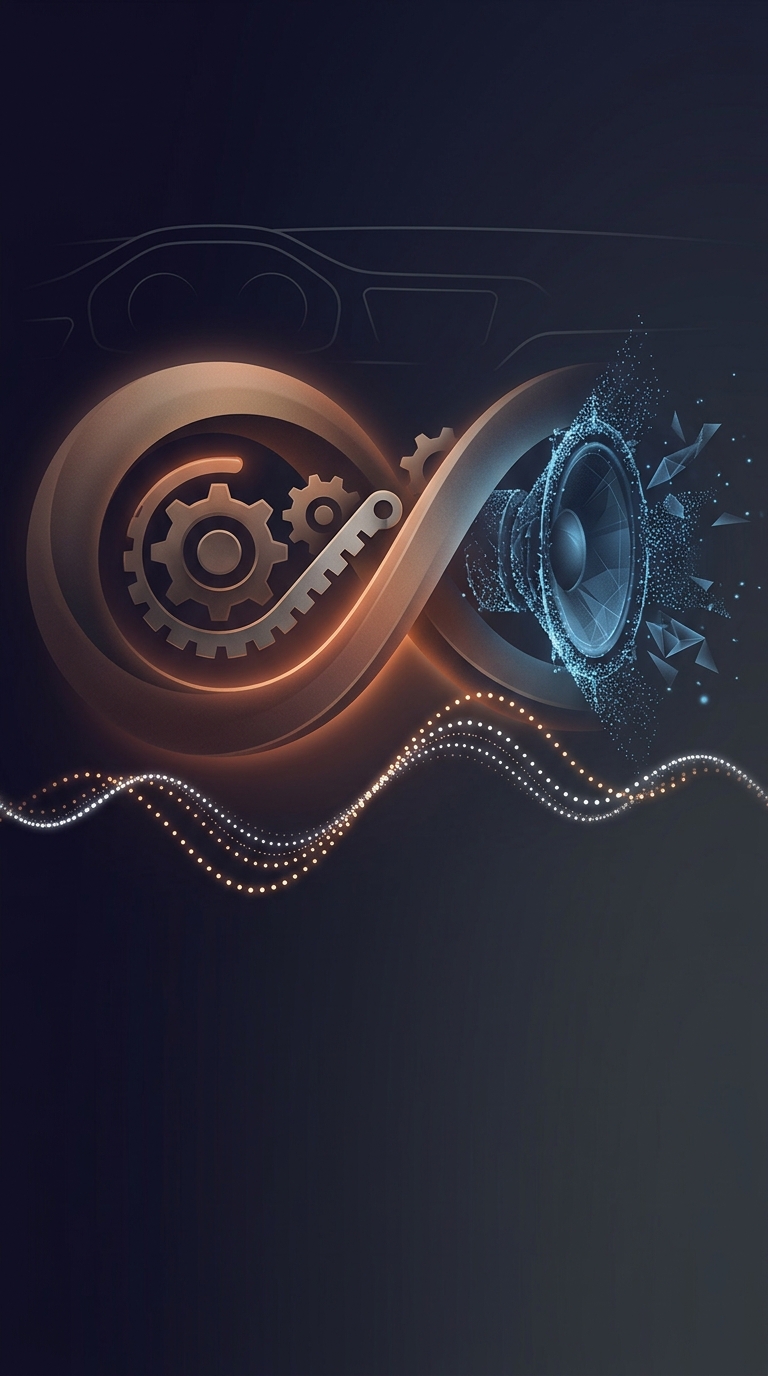
Electronic controls can blink the lamps without that same physical action. When the old mechanism disappears, the sound can disappear too, so manufacturers reproduce it separately. The result preserves a familiar cue even though the underlying process has changed.
A useful sound, not a mechanical promise
The click’s pace can also help a driver notice a problem: if an indicator lamp fails, some cars make the signal flash or sound faster than usual. But the exact behavior varies by vehicle. The important distinction is that hearing a click does not necessarily mean a relay is physically clicking. In a newer car, it may be a carefully retained imitation of a sound that once came directly from the hardware.