How a Volvo P1800 Reached Three Million Miles
A car does not accumulate that kind of mileage by keeping every original part intact. It does so by letting worn components be replaced while the basic vehicle remains serviceable. Tires, brakes, belts, hoses, and other parts have finite lives; regular inspection helps catch deterioration before a small failure strands the car or damages something more costly.
That distinction matters: long life is less about avoiding repairs than making the right repairs repeatedly. Routine maintenance keeps predictable wear from turning into breakdowns, while repairs restore parts that eventually fail despite good care.
The Compounding Advantage of Staying on the Road
Each repair is a decision to extend the useful life of the whole car rather than replace it. If the body, structure, and major systems remain worth maintaining, renewing one worn component at a time can keep the vehicle in service for years. The approach also depends on consistency: a missed oil change or ignored leak may create damage that is far more expensive than the original maintenance.
A car driven often also makes its upkeep visible. A long-distance owner has many opportunities to notice unusual sounds, changes in handling, or fluid leaks—and to address them before they grow into larger problems. That is not a guarantee against failure, but it turns vehicle longevity into an ongoing process rather than a one-time achievement.
The Record Is a Story of Repeated Decisions
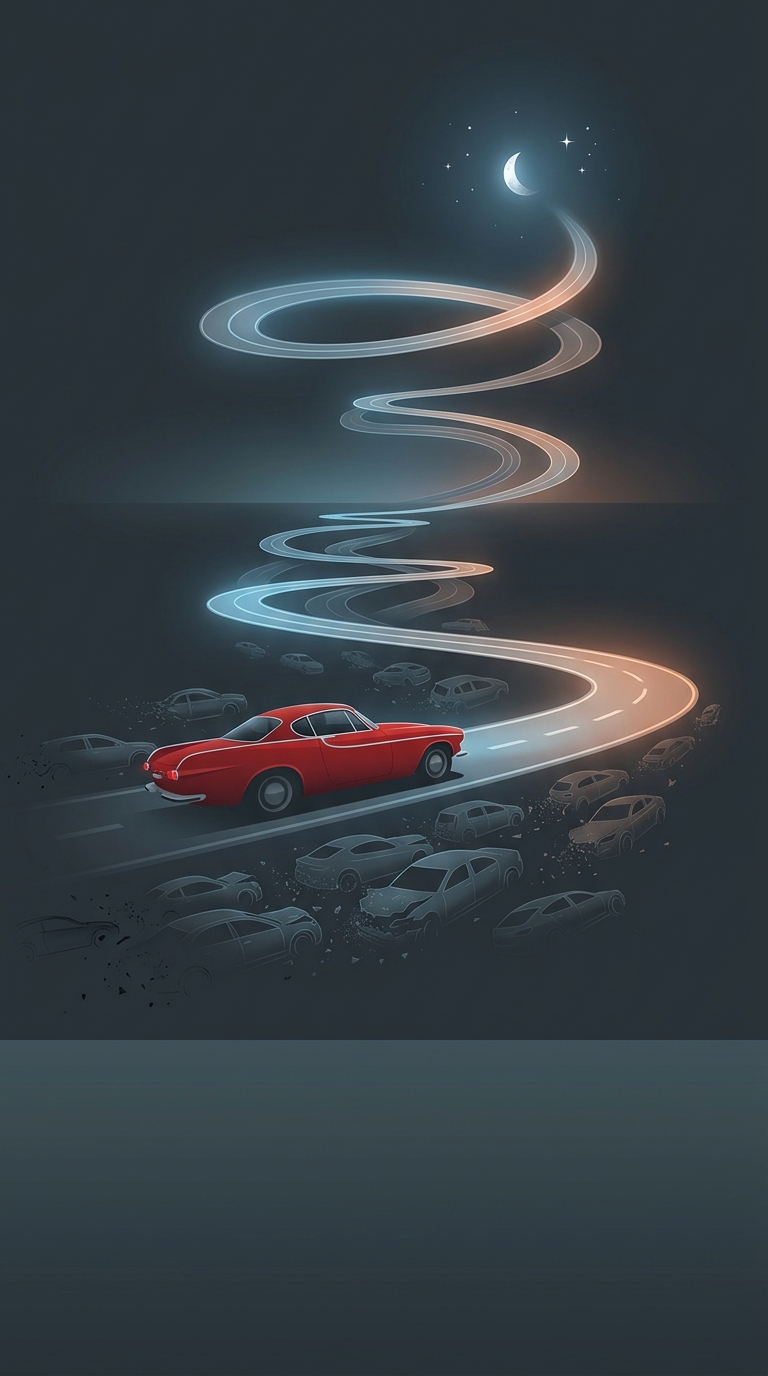
Irv Gordon’s red P1800 crossed three million miles through years of driving and maintenance, not because it escaped ordinary mechanical wear. Its remarkable distance came from continuing to keep it roadworthy as parts aged and needed attention.
The practical lesson is strikingly unglamorous: a record-setting car is built mile by mile, but preserved repair by repair.