A tiny choice with a delayed consequence
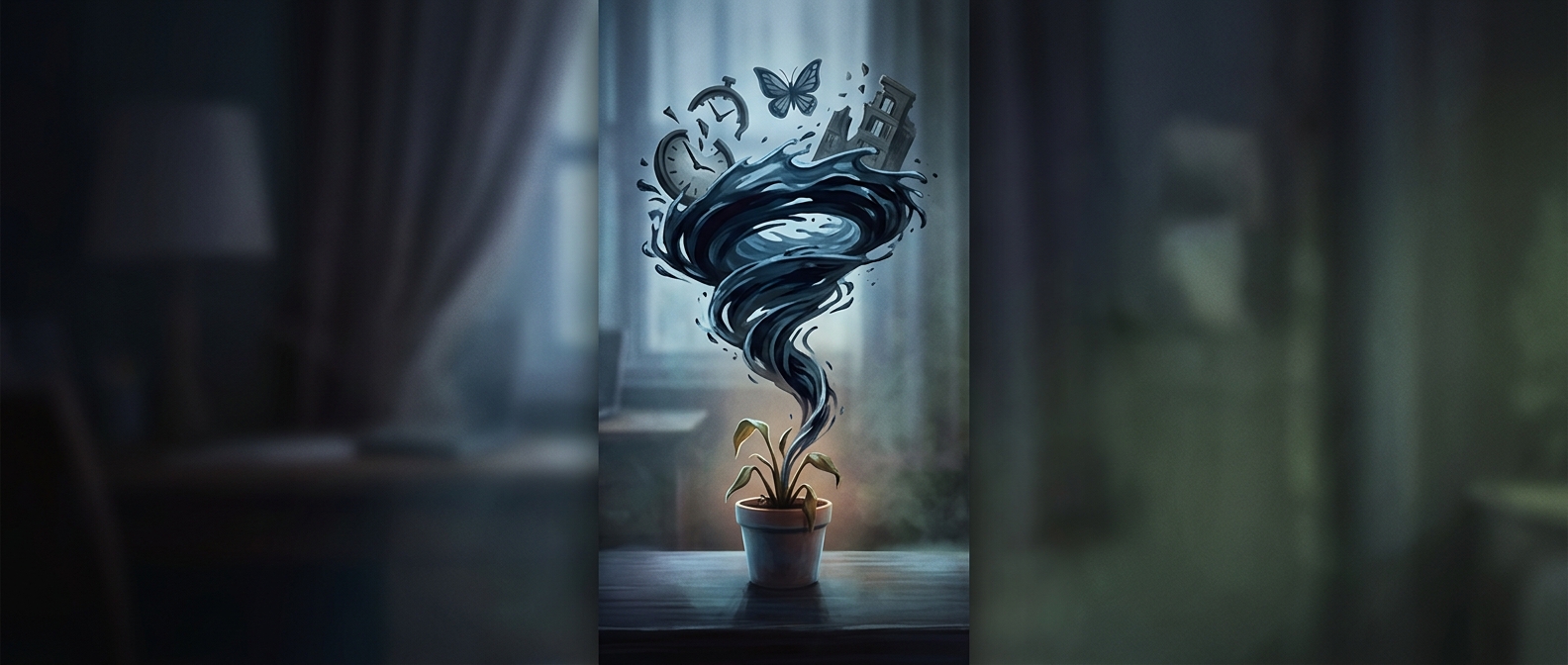
In Life Is Strange, Max can water a plant in her dorm room. The action seems like a simple kindness, but the game carries that choice forward: if she waters the plant in every episode, it eventually dies.
The joke turns on a familiar gardening mistake—giving a plant more water than it can use. The game doesn’t ask the player to track soil or a watering schedule. Instead, it remembers the repeated choice and uses it to produce a consequence later, making “helping” the plant backfire.
An everyday decision in a branching story
That small outcome is part of the game’s broader design: choices can linger beyond the moment they’re made. Here, the consequence is modest compared with the story’s major decisions, but it makes the world feel responsive in an unexpected way. Even a quiet corner of Max’s room has a history shaped by what the player keeps doing.
And the plant’s fate is a useful reminder that good intentions aren’t the same as good care: sometimes the most considerate move is to stop watering.