stackyFACTS
Economy

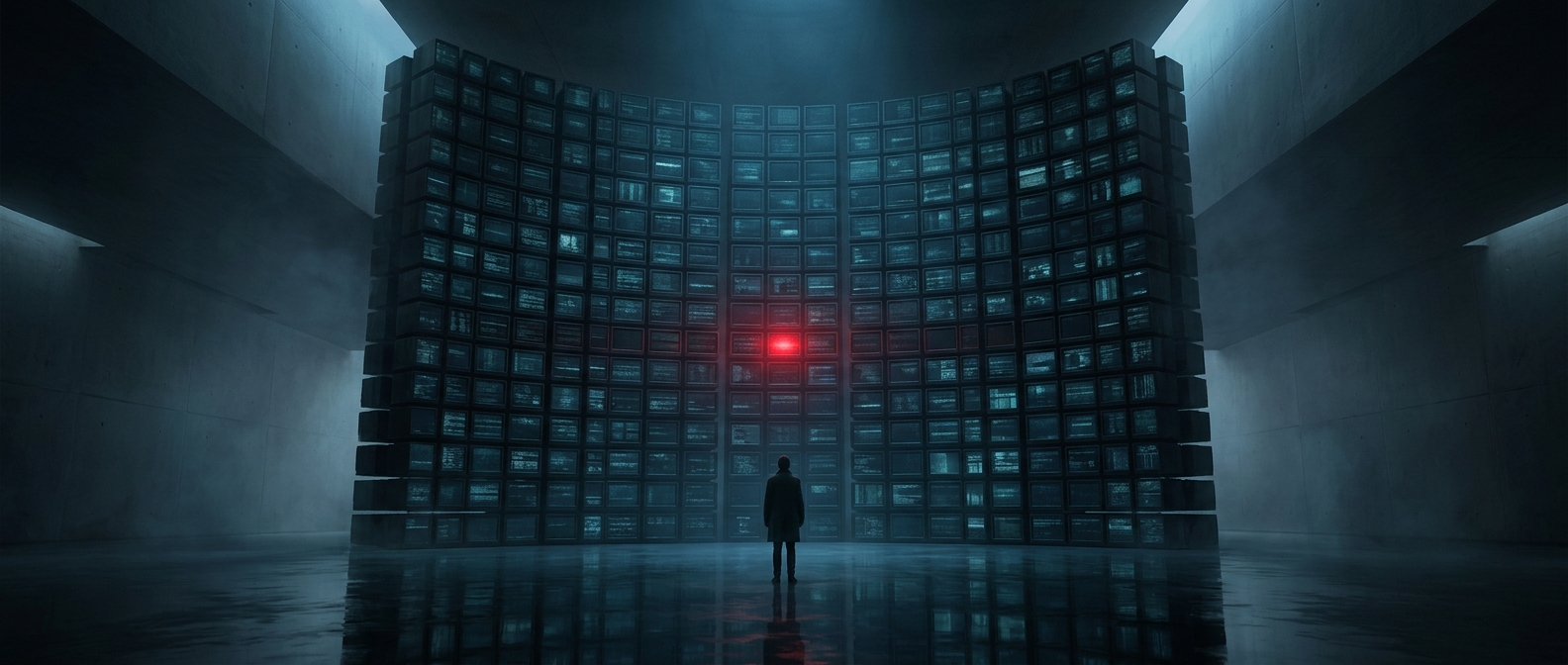
How stores track your path through the aisles

HERE’S THE INTERESTING PART

Because standard security cameras just weren't dystopian enough. Physical store spaces frequently deploy advanced visual algorithms to silently map out exactly how you wander between displays, optimizing store layouts to ensure you pass the maximum number of impulse buys.
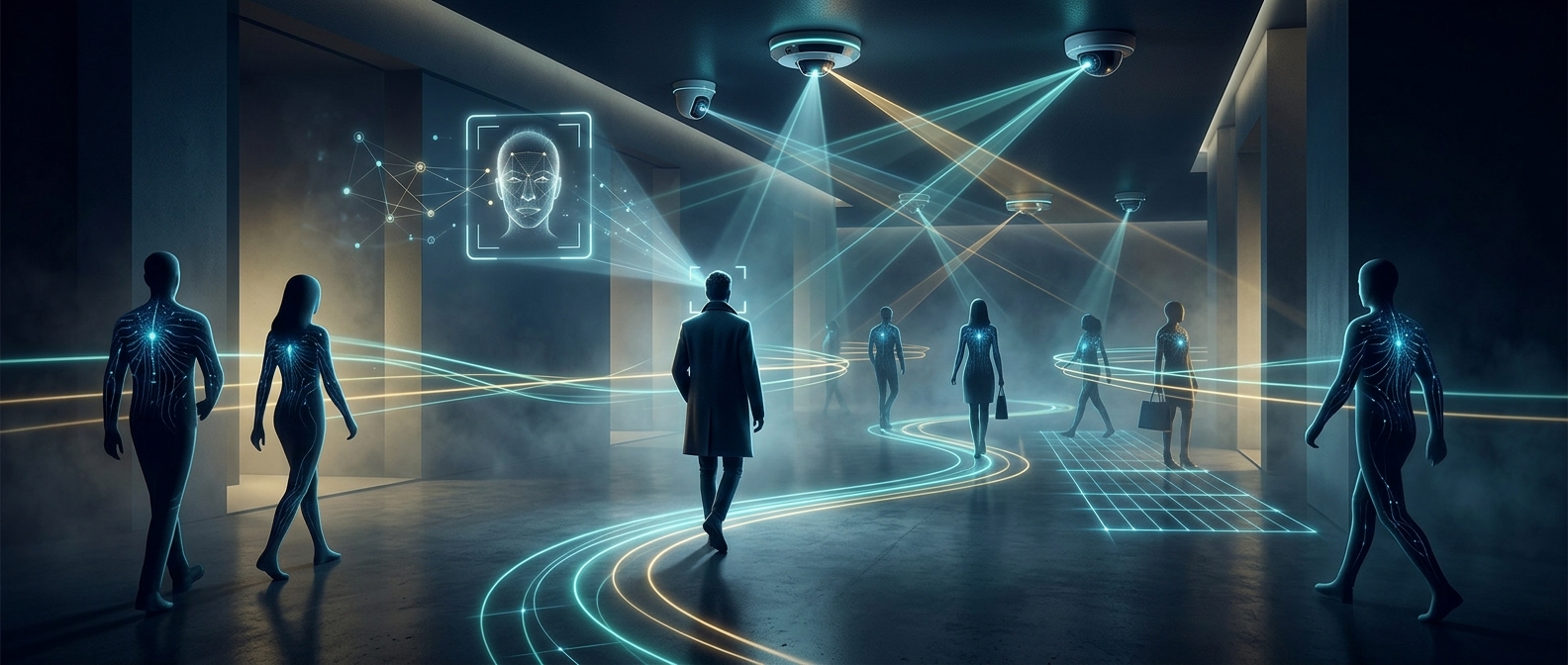
How stores track your path through the aisles
STACKY / Economy
One discovery leads to another.

Keep exploring facts in this topic.

Economy →

STACKY FOR IPHONE

A bigger world.
One discovery
at a time.

Keep discovering with Stacky. Interesting facts in an app that is always within reach.

Download on the App Store
ONE MORE DISCOVERY?

Keep exploring

All in this topic →
Why snacks at eye level aren't an accident
Economy

Why snacks at eye level aren't an accident

Those premium snacks right in front of your face are not there because they are the most popular. Manufacturers pay massive slotting fees to ensure their…

Discover more
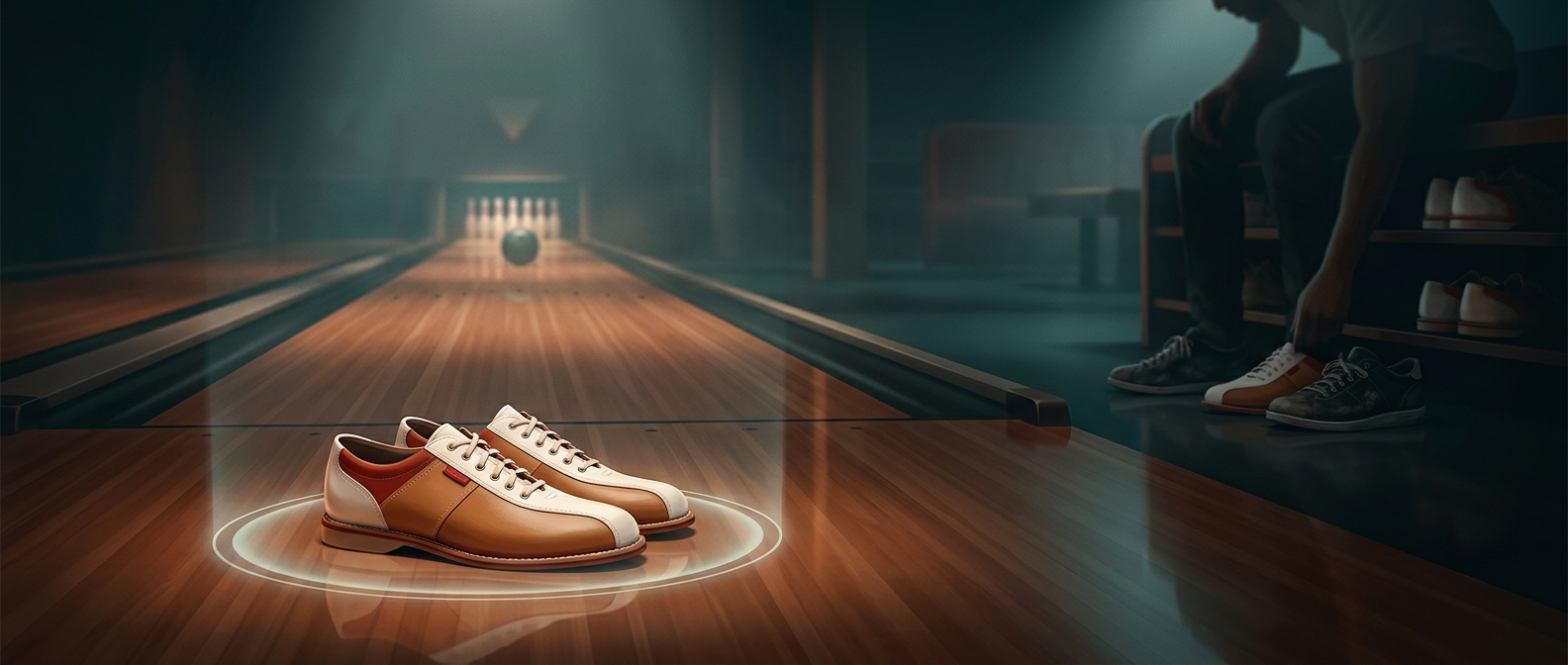
Bowling alleys enforce shoe rules to save floors
Economy

Bowling alleys enforce shoe rules to save floors

Those hideous clown shoes are not about fashion or hygiene. Alleys force you to borrow their specialized footwear primarily because street shoes bring in dirt…

Discover more
Why throw pillows can cost more than couches
Economy

Why throw pillows can cost more than couches

The smallest item on the sofa makes the most money. Furniture stores offer heavily discounted couches to get you in the door, but they make up all the lost…

Discover more
Too many bounced checks can shut you out of banking
Economy

Too many bounced checks can shut you out of banking

If you bounce entirely too many checks or abandon an overdrawn account, institutions report you to a hidden database. For the next five years, almost no…

Discover more
Why are massive furniture stores like IKEA intentionally designed as a confusing, one-way labyrinth?
Economy

Why are massive furniture stores like IKEA intentionally designed as a confusing, one-way labyrinth?

Why are massive furniture stores like IKEA intentionally designed as a confusing, one-way labyrinth?

Discover more
Victor Gruen invented the concept of the modern enclosed shopping mall in 1956 with the Southdale Center in Minnesota, heavily intending to create a utopian, pedestrian-friendly…
Economy

Victor Gruen invented the concept of the modern enclosed shopping mall in 1956 with the Southdale Center in Minnesota, heavily intending to create a utopian, pedestrian-friendly…

Victor Gruen invented the concept of the modern enclosed shopping mall in 1956 with the Southdale Center in Minnesota, heavily intending to create a utopian,…

Discover more
StackyMore discoveries in the app
Download on the App Store