Stillness as a form of attention
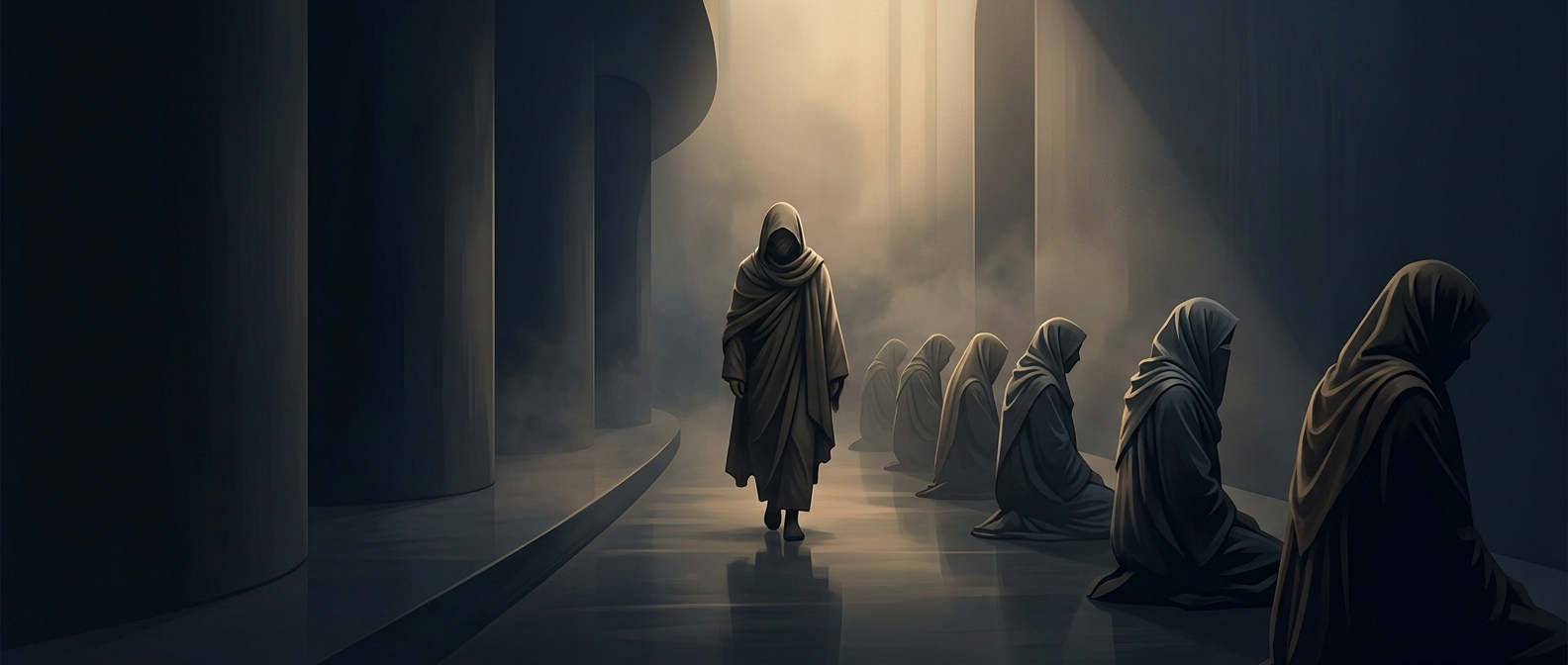
In Isaac of Nineveh’s desert practice, shelya meant more than sitting quietly. It was a deliberate withdrawal from ordinary speech and distraction, making room for sustained prayer. The aim was not silence for its own sake, but an inward attentiveness so complete that the usual demands of the outside world receded.
When prayer became physical
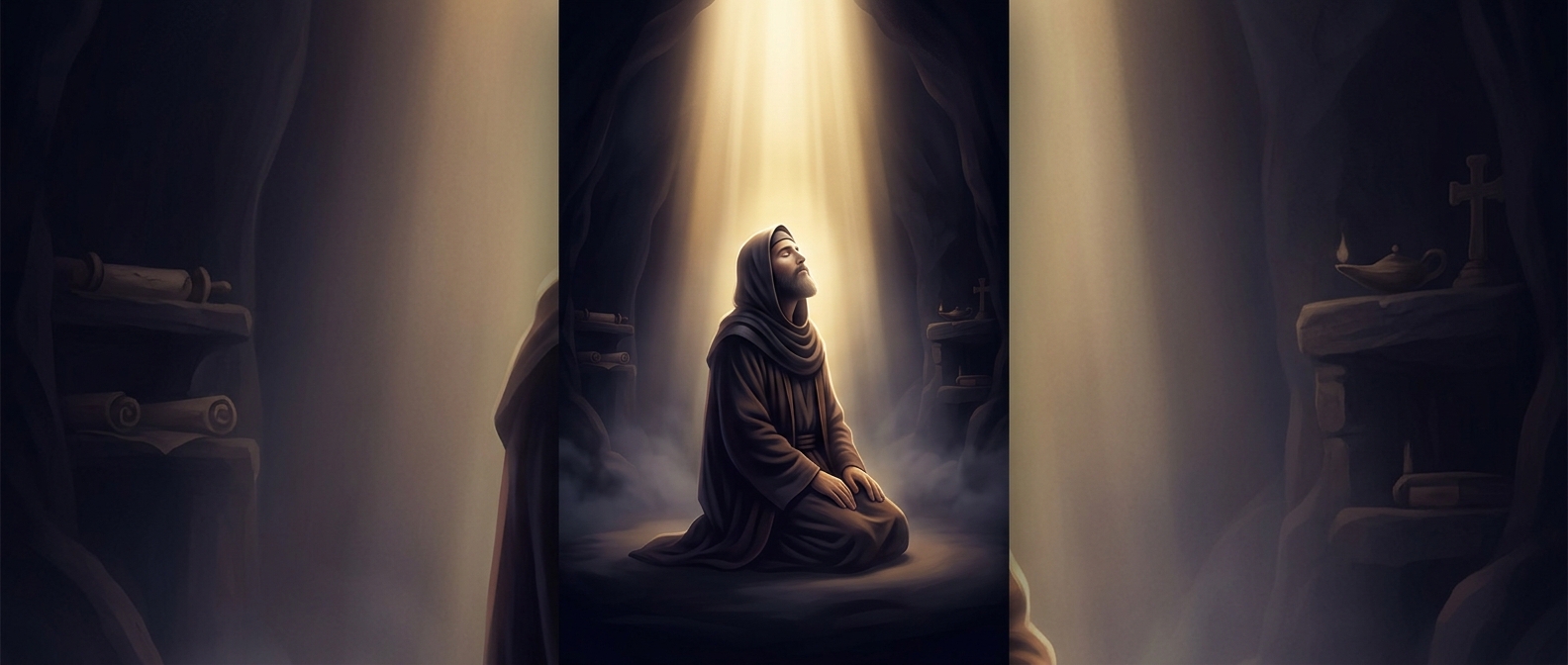
Accounts of Isaac connect that discipline with intense weeping. In Christian ascetic writing, tears could express compunction: a piercing grief over human frailty joined to longing for divine mercy. They were understood not simply as emotion, but as part of the body’s response to prayer.
The tradition says that Isaac’s spiritual weeping eventually cost him his physical sight. That detail gives the story its stark force: an inward practice, pursued with extraordinary intensity, is remembered as leaving a permanent mark on the body.
What the story asks readers to notice
The account does not describe stillness as an escape from the body. Instead, it presents prayer as something that can involve the whole person—attention, feeling, and physical endurance. Isaac’s blindness became part of how later readers encountered the severity of his contemplative life: the silence was inward, but its reported consequence was visible.