A Tsar, a Stranger, and a Persistent Rumor
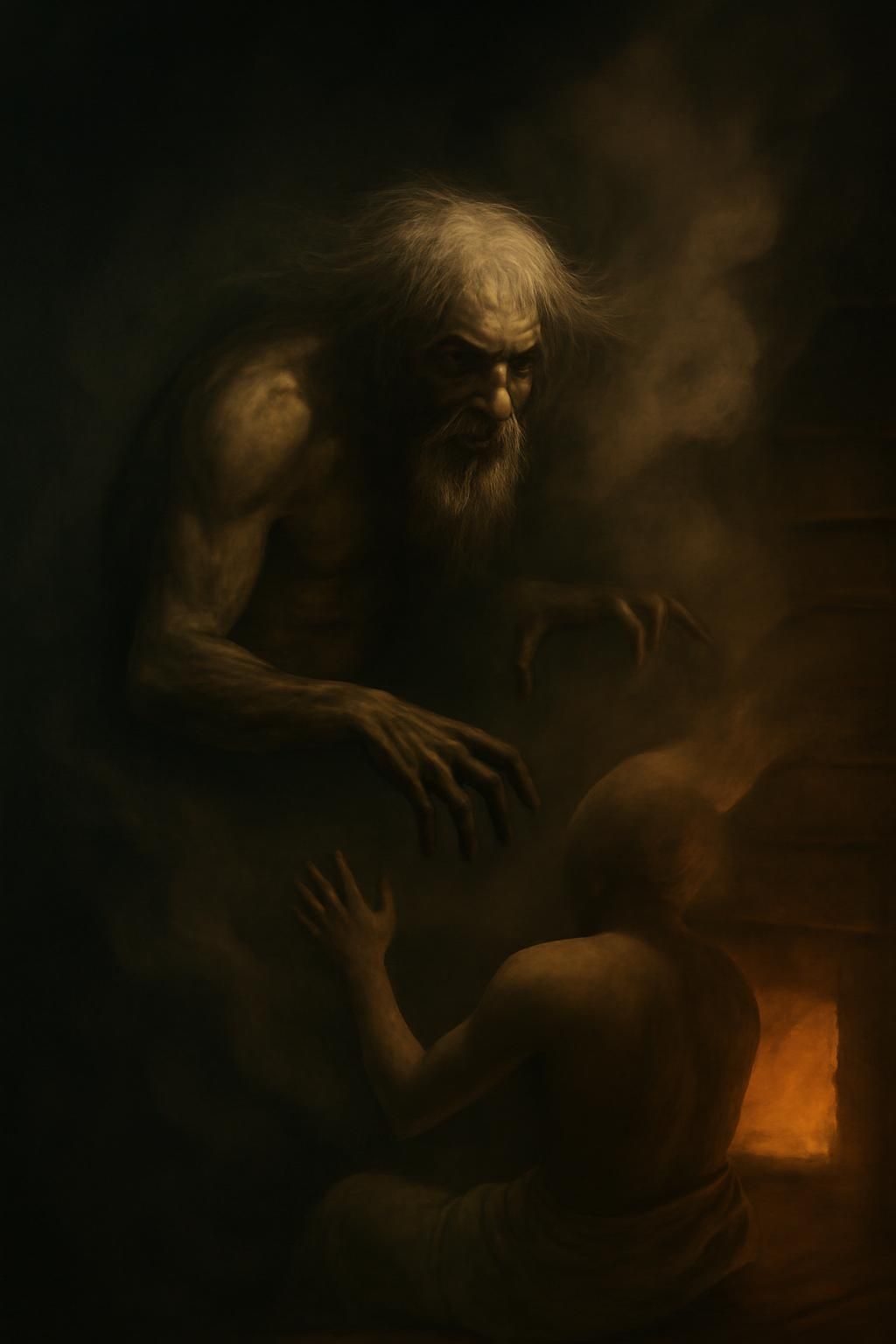
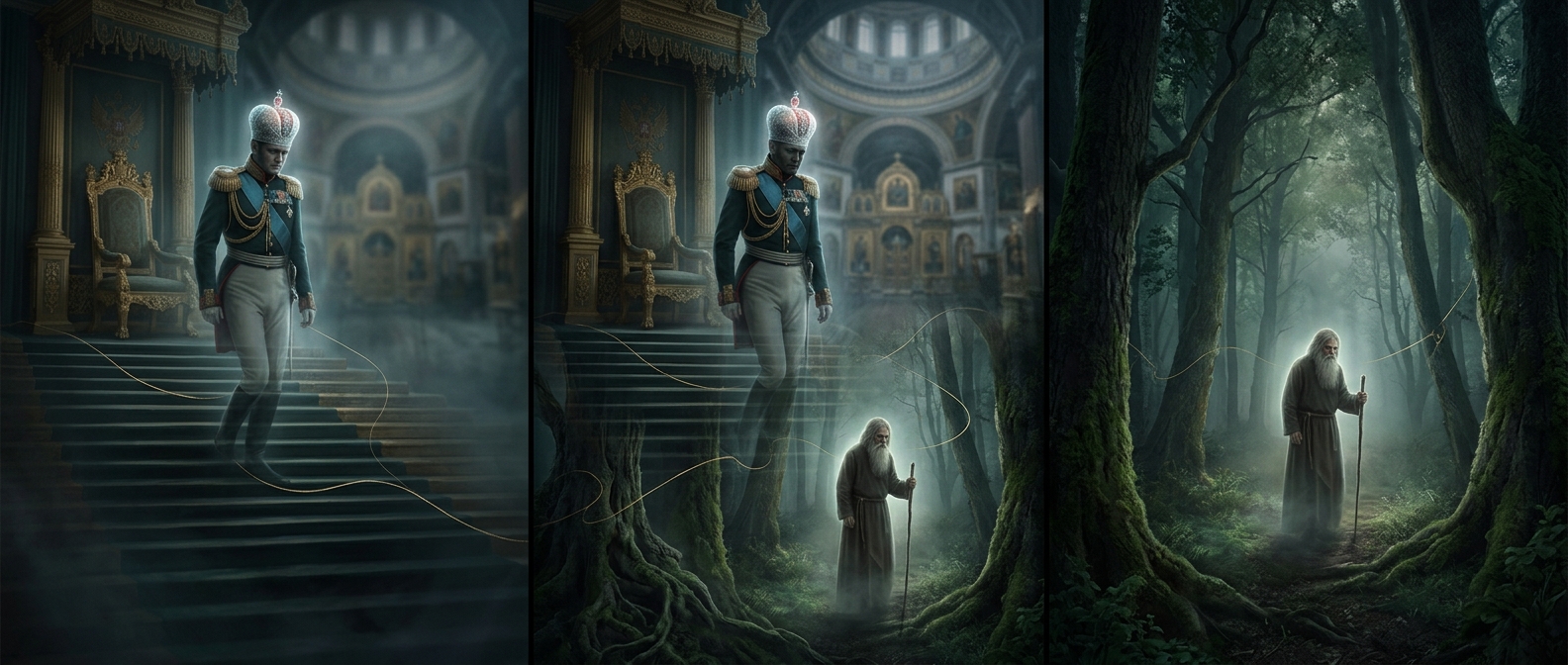
When Alexander I died in 1825, the official account said he had succumbed to typhus. But the circumstances left room for a more dramatic story: that the emperor had secretly stepped away from power and lived on as Feodor Kuzmich, a wandering religious ascetic in Siberia.
Kuzmich was remembered as unusually educated and dignified for a penniless traveler. People also said he resembled Alexander. Those details helped the rumor take hold, but resemblance and learning could not establish identity. No reliable evidence has shown that the two men were the same.
Why the Story Could Survive
The legend gave Alexander’s death a moral and spiritual sequel. In its telling, a ruler burdened by power chose repentance and obscurity instead—a transformation that made sense within a religious culture that admired humility and renunciation. The contrast was especially compelling: the former sovereign supposedly traded court and command for a life among ordinary people on Siberia’s frontier.
The story also depended on a gap between public fact and private possibility. Alexander’s death was officially recorded, yet a stranger who seemed to fit the imagined emperor could invite people to reinterpret it. Each resemblance could feel like a clue, even though none proved the central claim.
Kuzmich came to be venerated as a holy man, while the identification with Alexander remained a legend rather than established history. Its lasting power lies in the idea it offered: that the most powerful man in the empire might have ended his life not on a throne, but anonymously in the forest.