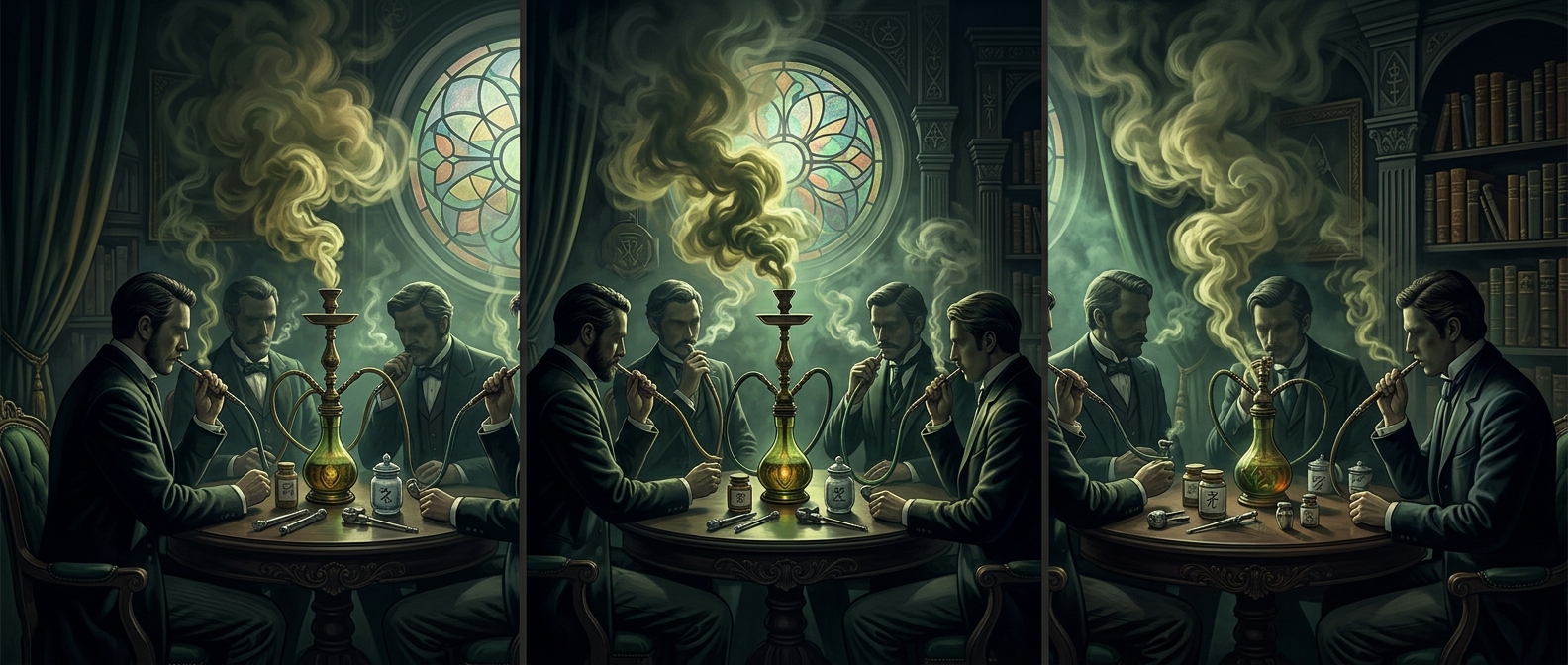
Why hashish appealed to Victorian occultists
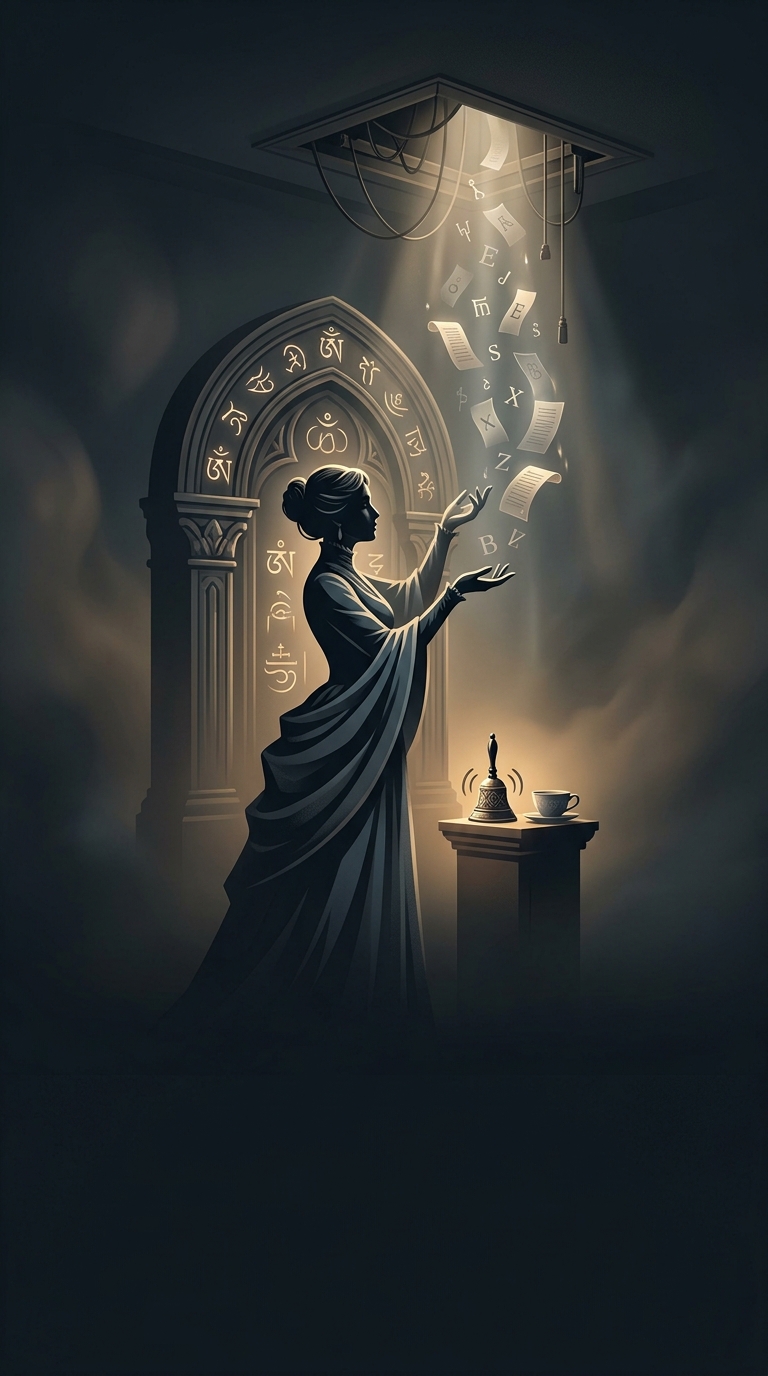
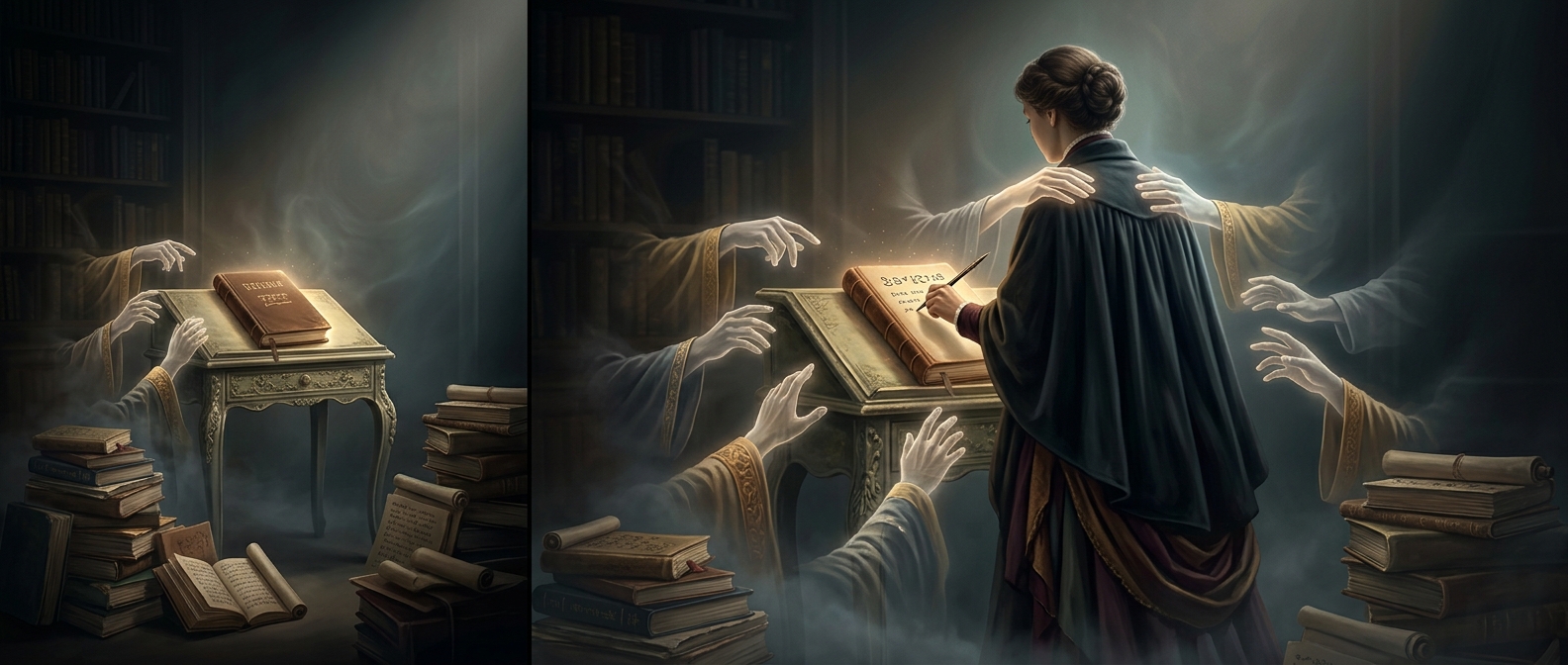
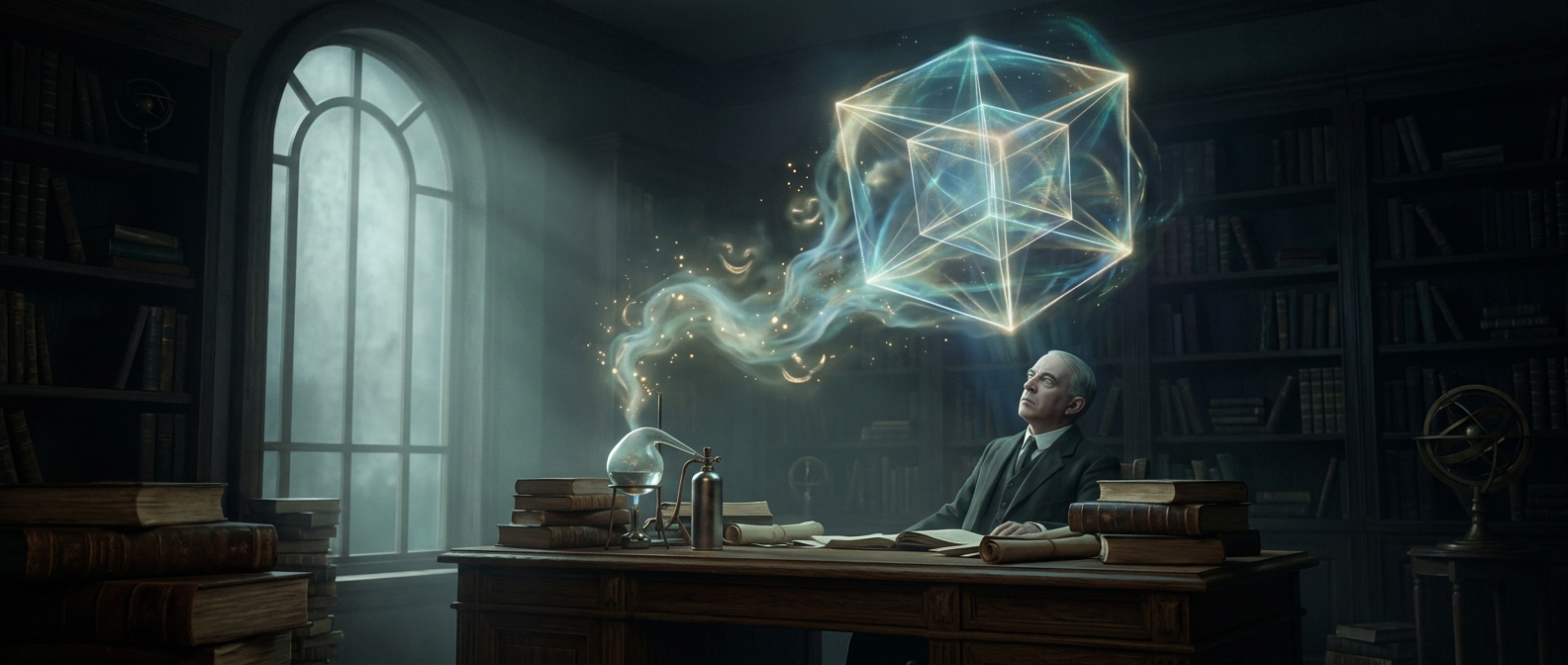
For some British esoteric circles, hashish was more than a fashionable intoxicant: it seemed to offer a shortcut to experiences their rituals and reading already treated as spiritually significant. Members interested in astral projection—the idea that a person’s consciousness could travel beyond the body—could interpret vivid imagery or a changed sense of self as evidence of contact with another plane.
That interpretation depended on belief, not on a reliable way to distinguish mystical insight from a drug’s effects. Cannabis can alter perception, attention, and the sense of time; those changes may feel profound, especially when someone expects them to reveal hidden realities.
Eastern texts shaped the experiment
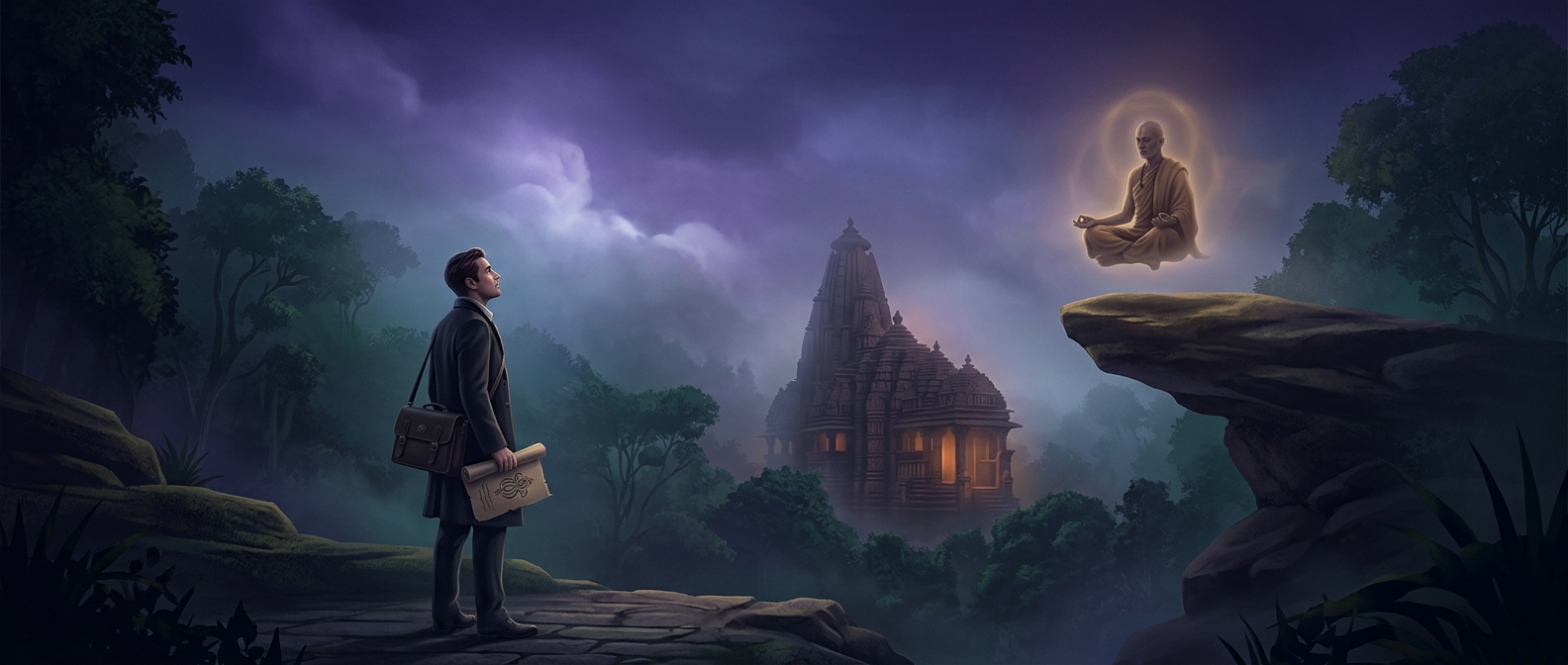
Victorian occultists drew on writings presented as accounts of Eastern religions and spiritual practices. Many encountered them through translation, and the ideas could be distorted or stripped of their original context. In that setting, hashish might be recast as a tool for reaching states that a group’s members already understood through occult teaching.
The result was not a single, standard initiation followed by all Victorian secret societies. Practices varied, and the interest belonged to particular circles and individuals. But the combination of imported spiritual ideas, private ritual, and an intoxicating drug made experimentation seem to some enthusiasts like a form of investigation.
The revealing detail is the circular logic: a drug produced unusual sensations, and an occult framework supplied the explanation. What felt like a journey beyond the body could therefore reinforce the very beliefs that had made the experience seem meaningful.