Lydwine’s body became part of her following
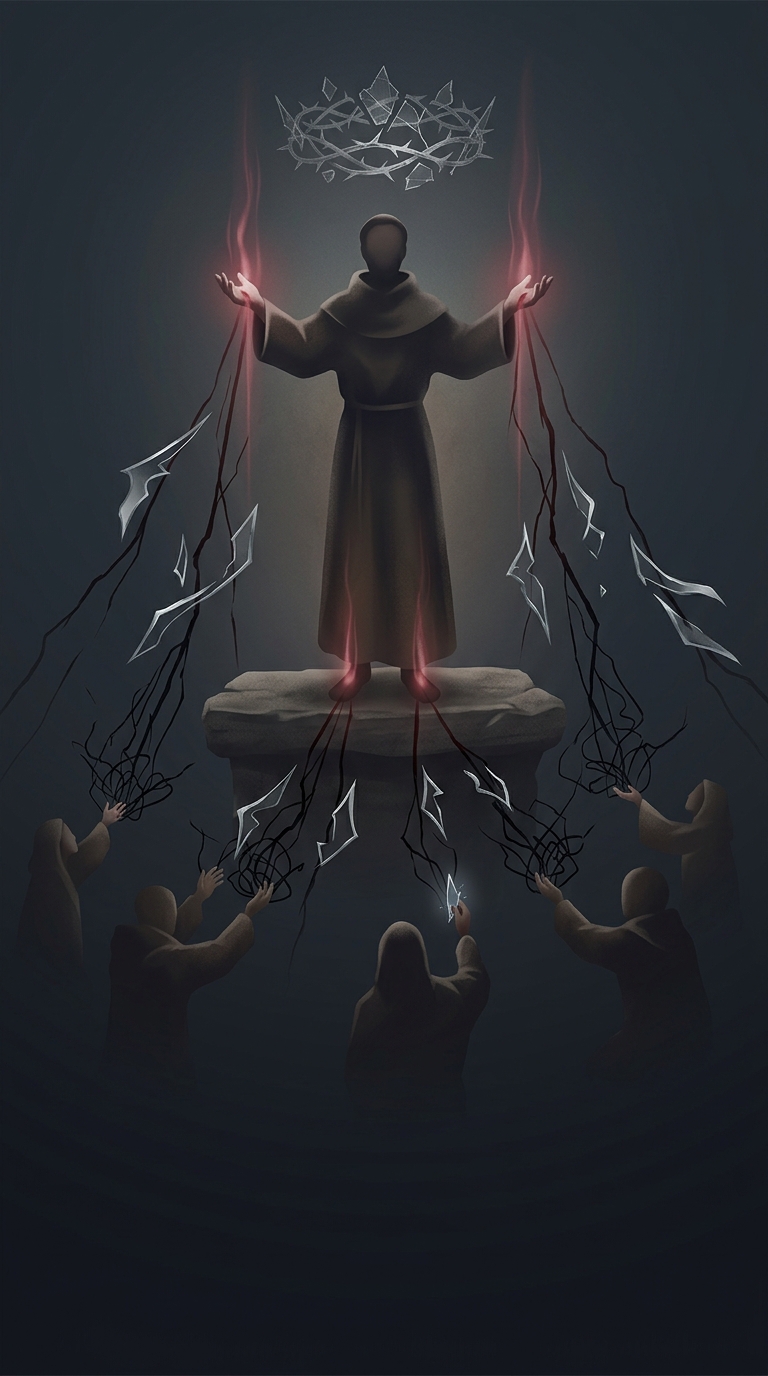
Lydwine of Schiedam, a Dutch Christian mystic who lived from 1380 to 1433, was remembered not only for her visions but for the physical suffering attributed to her. Accounts associated with her life say that fragments of bone came away from her body. Followers reportedly kept them, treating these pieces as tangible connections to a woman they believed had a special religious calling.
Why a fragment could matter
In medieval Christian devotion, a relic was a physical object linked to a holy person—often a bodily remnant or something they had touched. Relics made holiness feel close and concrete: a believer could encounter an object associated with a person whose spiritual importance might otherwise seem distant. The fragments attributed to Lydwine could therefore be valued not as curiosities, but as material reminders of her endurance and faith.
Suffering given spiritual meaning
Lydwine’s story took shape in a culture that often understood bodily pain through the example of Christ’s suffering. Her followers interpreted her condition as spiritually significant, rather than as suffering without meaning. That interpretation helped turn private illness into a public devotional story, carried beyond Schiedam by the people who remembered and described her.
The bone fragments are reported in accounts of her life, not established by modern medical records. Their importance in the story lies in what followers thought they represented: a physical trace of suffering understood as a divine calling.