Why Friday mattered to accounts of stigmata
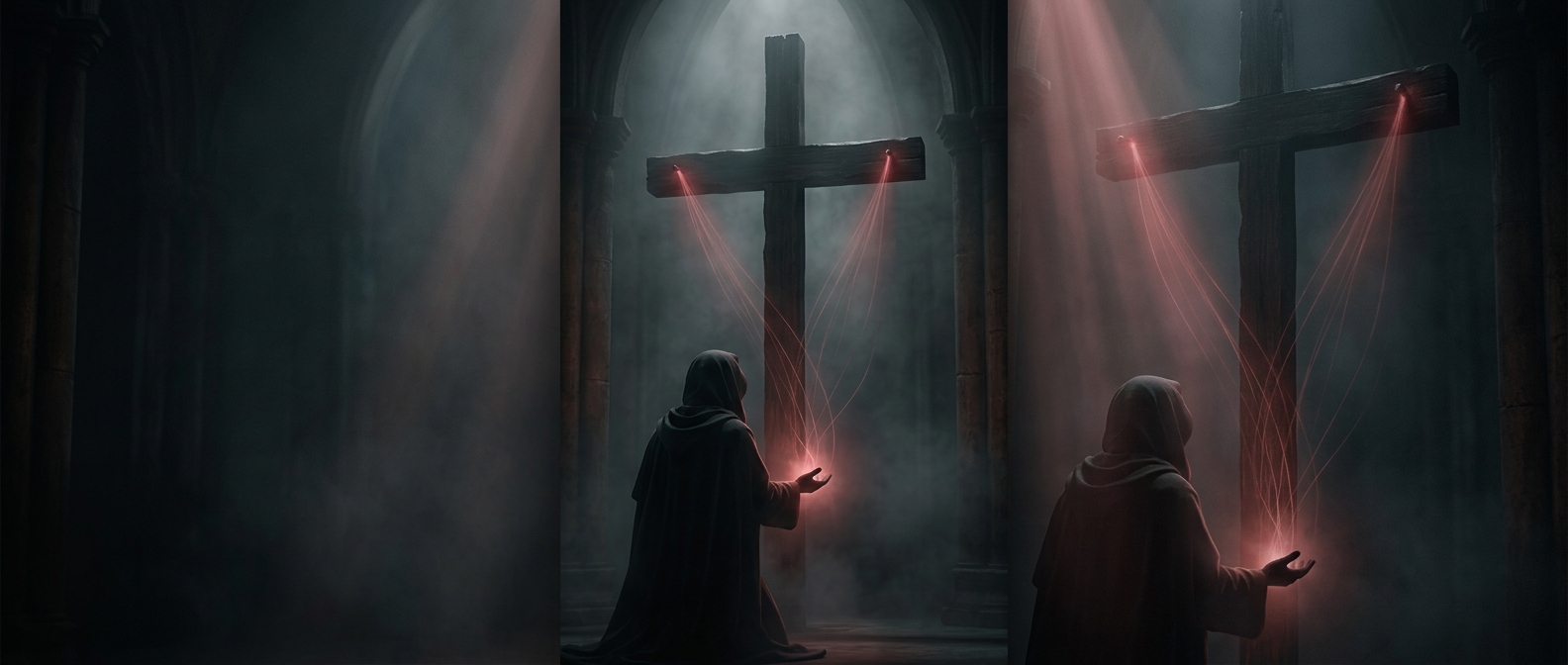
In Christian tradition, Friday recalls the day Jesus was crucified. It is therefore a day of particular focus on the Passion—the suffering and death of Jesus. People who reported stigmata, wounds understood as resembling those of the crucifixion, sometimes described a Friday increase in bleeding. The timing gave the experience a clear religious meaning: it seemed to echo the events commemorated that day.
A pattern interpreted through faith
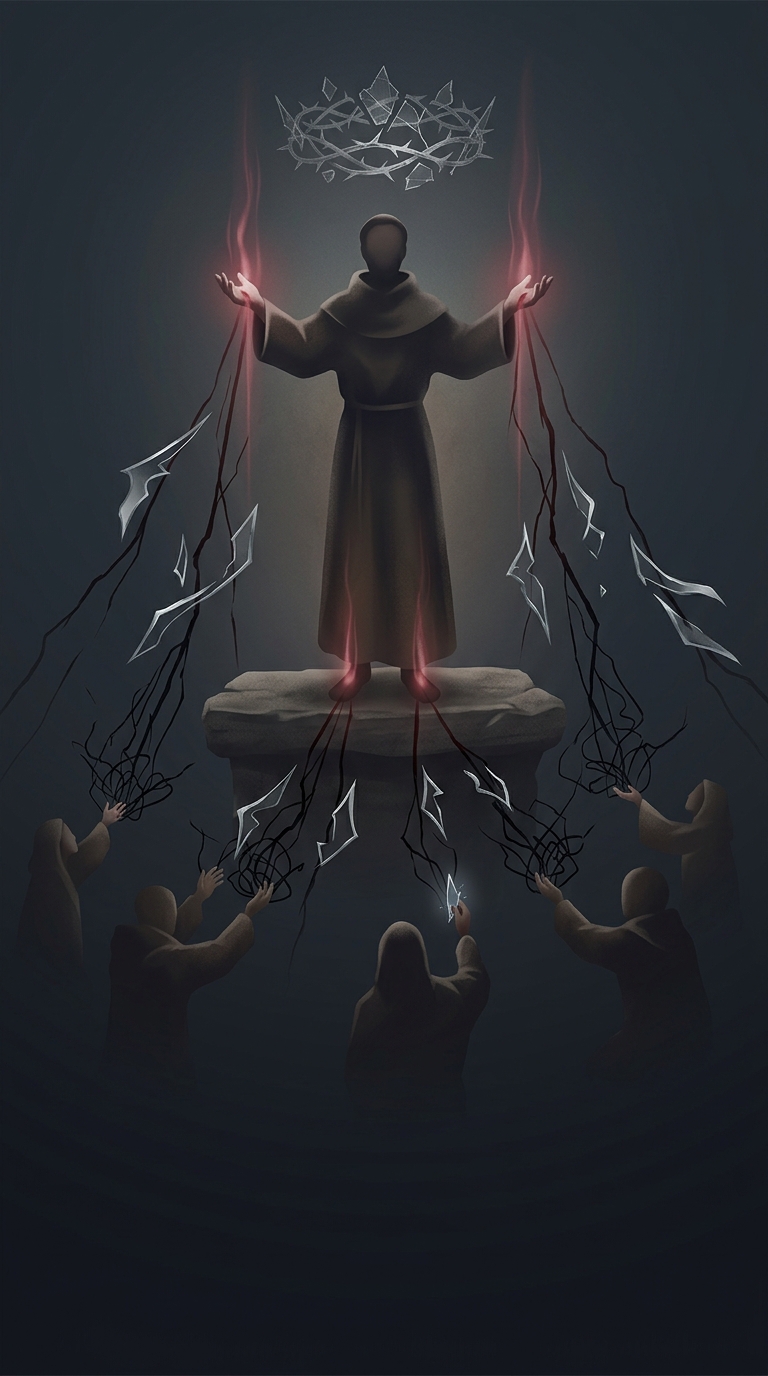
The reported wounds could be associated with places where Jesus was said to have been injured, such as the hands, feet, or side. When bleeding was said to intensify on Friday, believers could read that rhythm as more than a change in the wounds: it connected a person’s suffering to the weekly cycle of remembrance and prayer. In devotional language, this was a form of participation in Christ’s suffering, not merely an unusual bodily event.
Reports are accounts of what people or observers said happened; the Friday pattern does not, by itself, establish why bleeding occurred. Its religious significance came from the calendar and the story Christians attached to it. Friday made the reported change legible as a reenactment of the Passion, turning a recurring detail into a sign interpreted within a specific tradition.