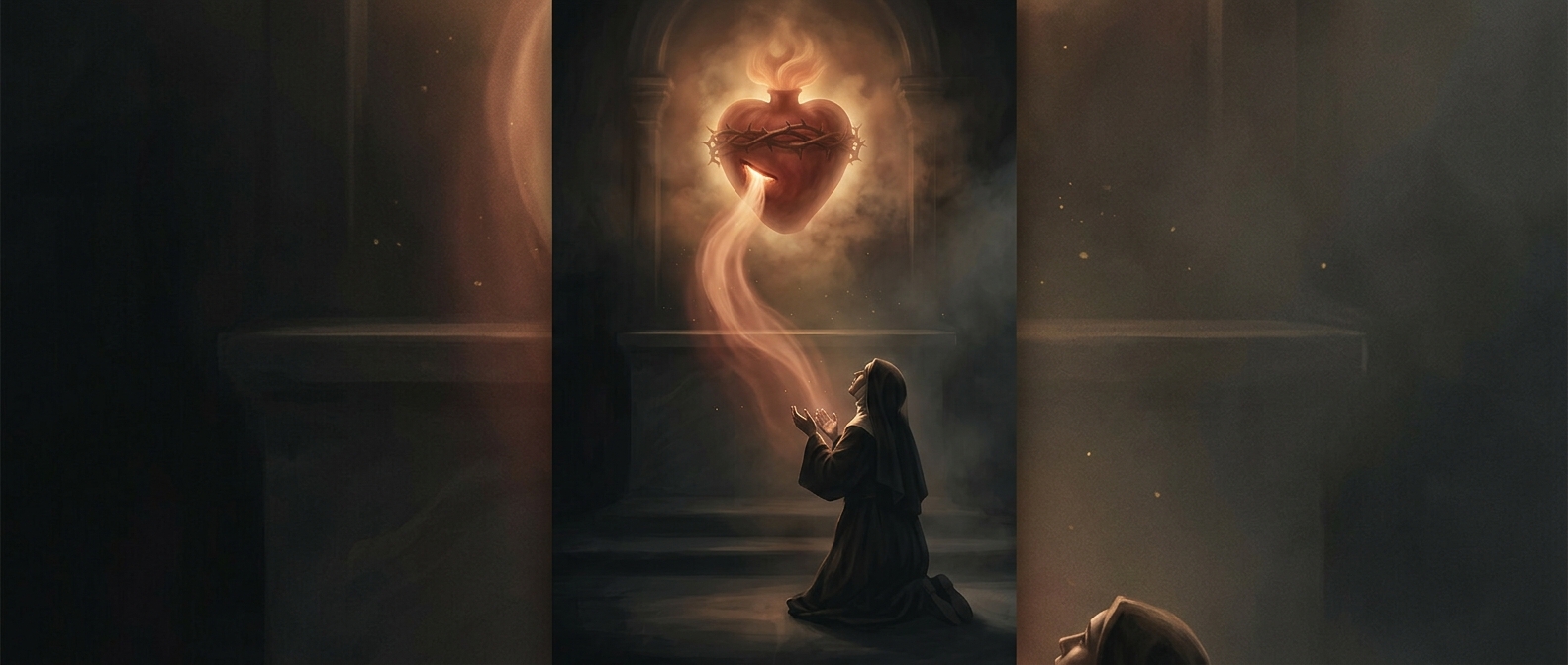
When Penitential Grief Became a Physical Ordeal
In Christian penitential mysticism, tears could be understood as an outward sign of inward contrition: grief over sin, intense devotion, or a longing for spiritual closeness. For some mystics, weeping was described not as an occasional response but as a persistent part of religious life. Accounts that they wept until their sight was damaged show how spiritual practice could become entangled with bodily suffering.
What Excessive Weeping Could Do to the Eyes
Tears normally protect and lubricate the eye, so crying by itself is not generally expected to cause blindness. But prolonged watering can leave the eyelids and surrounding skin sore, and frequent wiping or rubbing can irritate the delicate eye surface. If inflammation or another eye problem developed, blurred vision could follow; severe, lasting loss of sight would require more than tears alone to explain medically.
That distinction matters because historical reports often describe an observed condition and connect it to a devotional practice without establishing the precise medical cause. The accounts preserve how contemporaries understood the suffering: a body so absorbed in penitence that even its eyes seemed to bear the cost. They make visible the physical intensity that could accompany a life organized around religious grief.