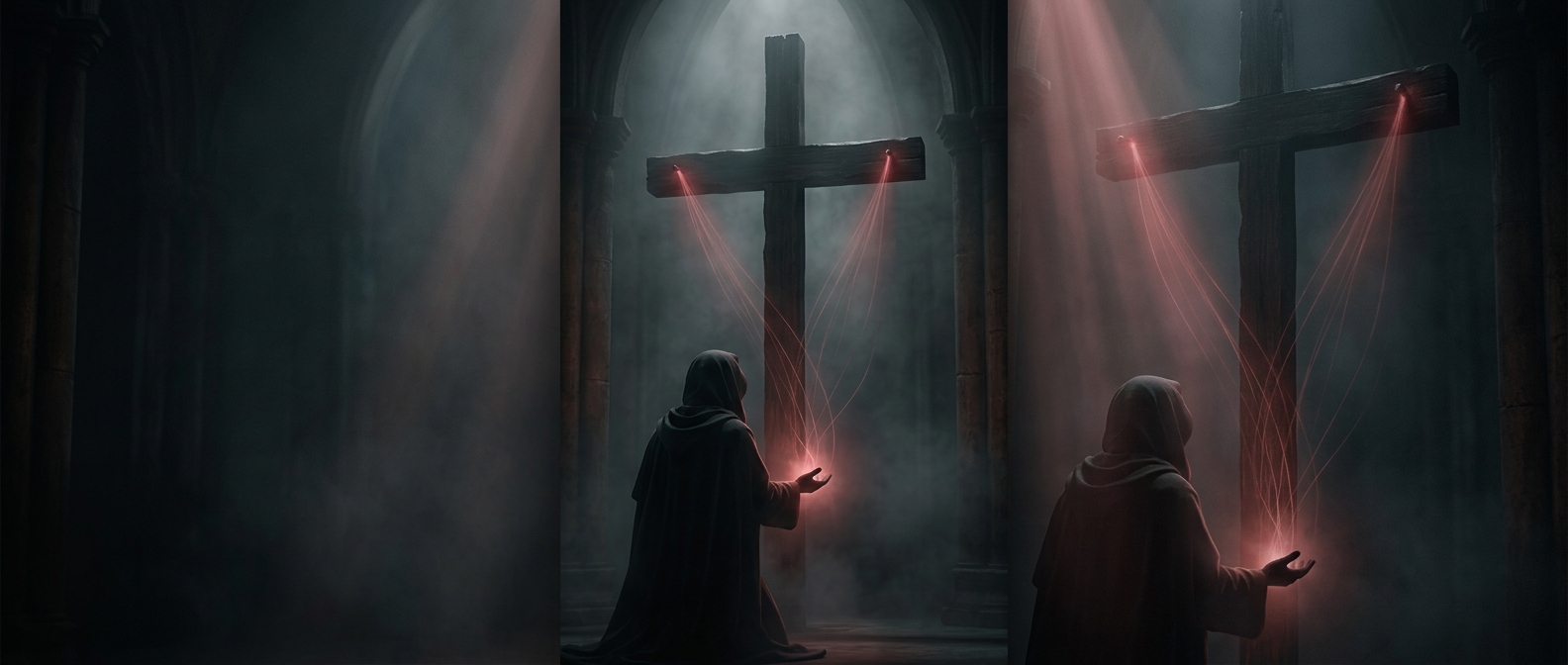
The marks were read through the story of the Passion
Gemma Galgani (1878–1903), an Italian Catholic mystic, was described in accounts as bearing injuries resembling marks left by a whip. The significance of the reports came from the religious story they seemed to echo: before his crucifixion, Jesus was scourged. In Catholic devotion, imagining Christ’s suffering is a way of reflecting on sacrifice and compassion; a visible wound could therefore be understood by believers as a bodily expression of that devotion.
This differs from the better-known idea of stigmata, marks associated with the wounds of Christ’s crucifixion. Scourge-like marks evoke an earlier part of the Passion narrative. The distinction matters because the reported injuries were not simply treated as unexplained marks: their resemblance gave them a particular place in a religious interpretation.
What the reports can—and cannot—establish
Accounts say the marks appeared repeatedly and without a known blow. That describes what observers reported; it does not, by itself, establish how the marks formed. Their religious meaning likewise belongs to the interpretation made by believers, rather than being something that can be verified from the resemblance alone.
For devotees, the recurring appearance made the connection to Christ’s suffering feel immediate: a scene usually encountered in prayer and scripture seemed to have a counterpart on a living body. That is why the story became memorable—not merely because marks were reported, but because people understood them as a visible sign of spiritual identification with suffering.