How an image can shape a reported wound
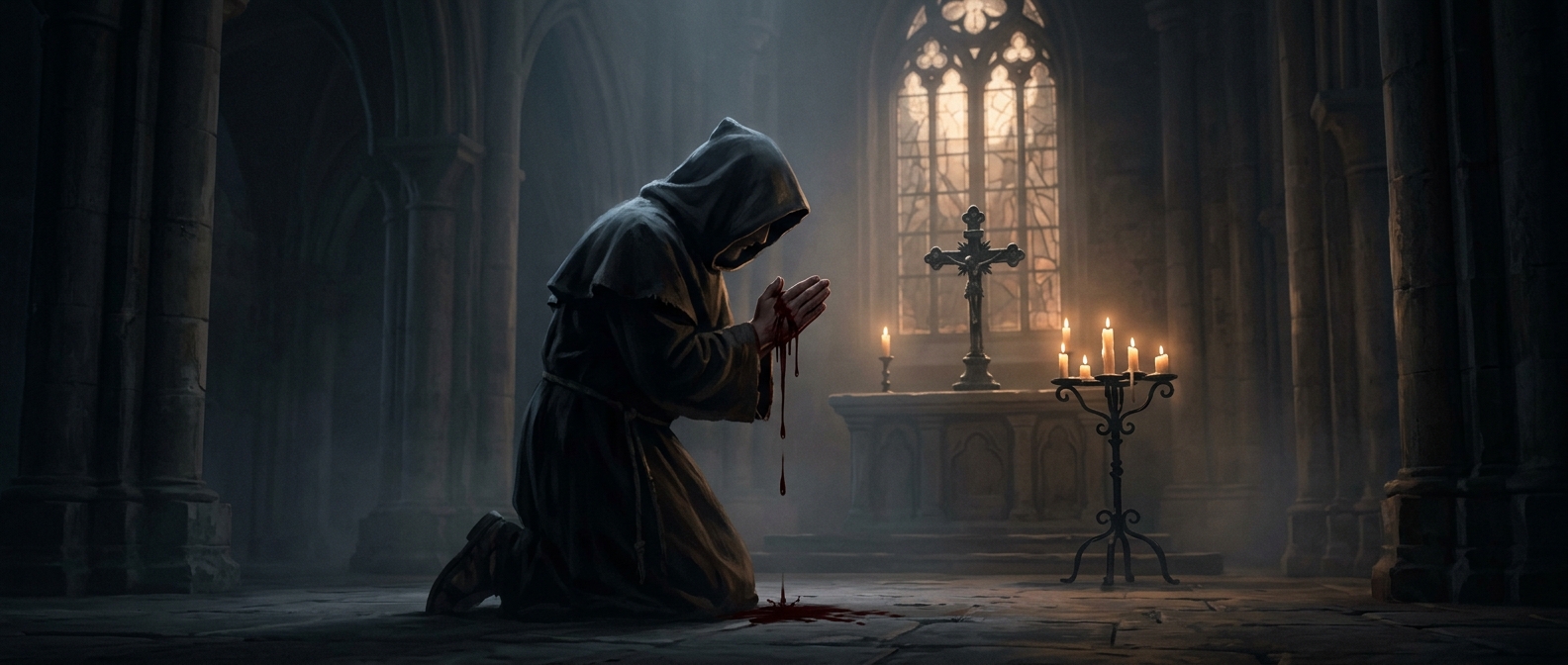
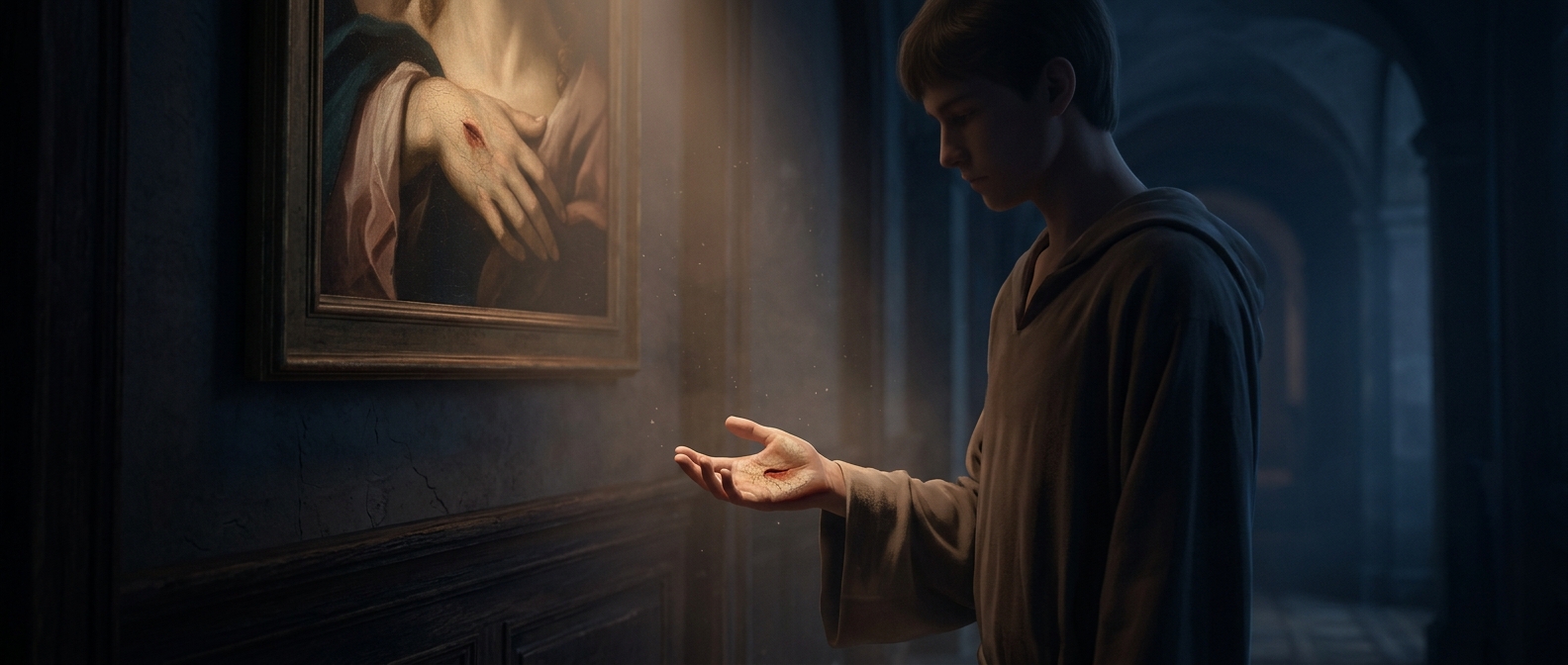
Stigmata are wounds or marks that some people interpret as corresponding to the injuries of Jesus at the crucifixion. The familiar image of nails passing through the palms is not just a detail in religious art: repeated across paintings and devotional images, it has helped establish what crucifixion wounds are expected to look like.
That matters because reported experiences take shape within a culture. Someone describing a sacred event may understand it through images they have seen and stories they know. This does not establish why a particular wound appeared, but it helps explain why accounts can resemble the most recognizable artistic version of the crucifixion.
The hand shown in art and the hand under strain
The palm is an easy place to depict and identify. But a nail through the soft center of the palm may not support body weight reliably; the wrist area, where bones and connective tissues can provide more support, is often discussed as a more plausible location for nails in a suspended body. That anatomical distinction is why the palm wounds in familiar images draw attention.
The contrast is also a reminder that religious paintings are not precise records of execution technique. They communicate a sacred story through a visual language that viewers can immediately read. When reported stigmata echo that language, the resemblance links a personal account to a shared image—one that generations of viewers have learned to recognize.