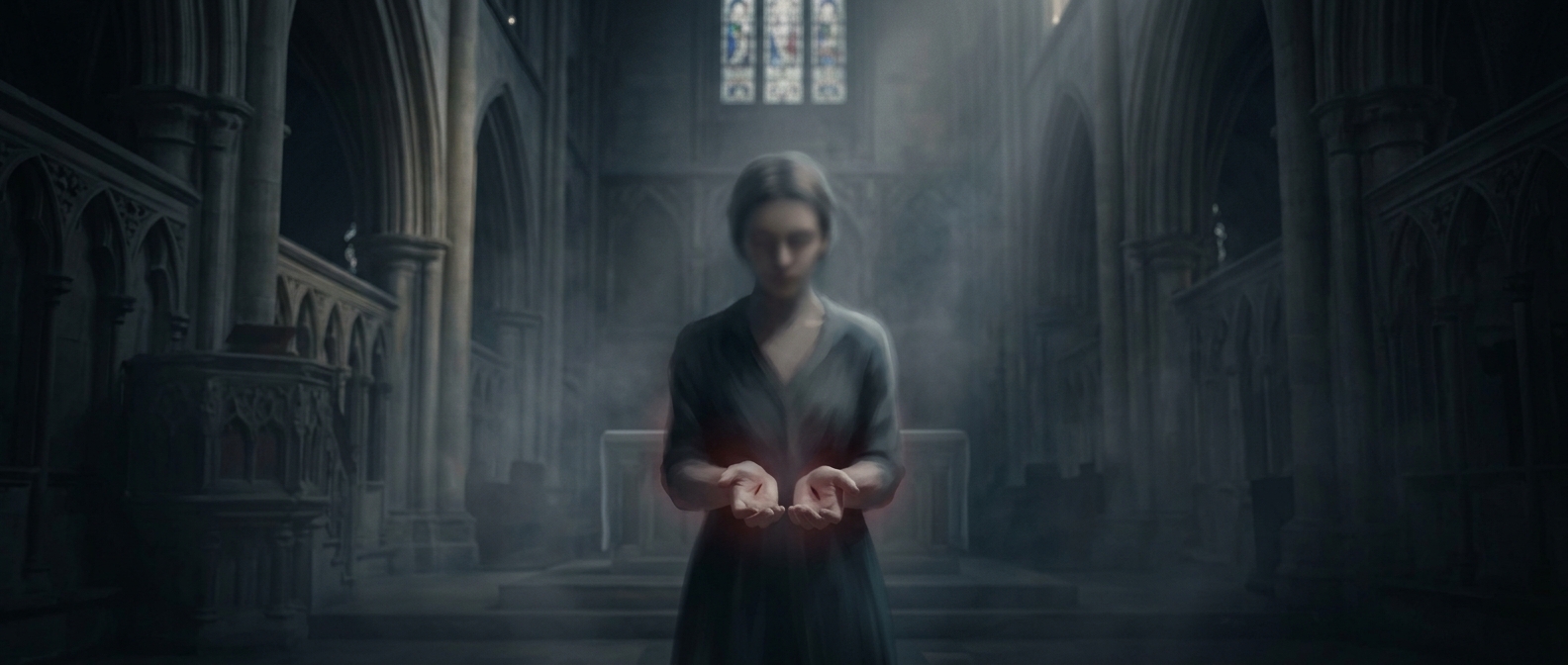
When Prayer Became a Stillness of the Body
Accounts of mystical ecstasy sometimes describe a striking contrast: a person seemed absorbed in prayer, yet their body became rigid and motionless. The term cataleptic state refers to a spell of unusual bodily stillness and stiffness. It describes what an observer could see; by itself, it does not explain what caused the episode or what the person experienced inwardly.
The Experience and Its Interpretation
For the mystic, the stillness could feel bound up with an intense encounter with the sacred. In that framework, the body’s inability or apparent refusal to move was not merely a symptom to be reported. It could be understood as part of ecstasy—a state of overwhelming spiritual absorption that seemed to take ordinary control out of the person’s hands.
That interpretation mattered to witnesses, too. A rigid, unresponsive body could be alarming, but within a community that recognized prayerful ecstasy, the episode might be read as a visible sign of an experience that was otherwise private. The same outward stillness could therefore carry two meanings at once: a physical event requiring explanation and, to believers, a spiritual event with significance.
Why the Contrast Endures
The accounts are compelling because they place inward intensity beside outward immobility. Someone could be understood as experiencing something profound precisely while appearing unable to act. The still body did not make the experience easy to interpret; it made the gap between what witnesses saw and what the mystic believed they were undergoing impossible to ignore.