When Sacred Images Shape Accounts of Stigmata
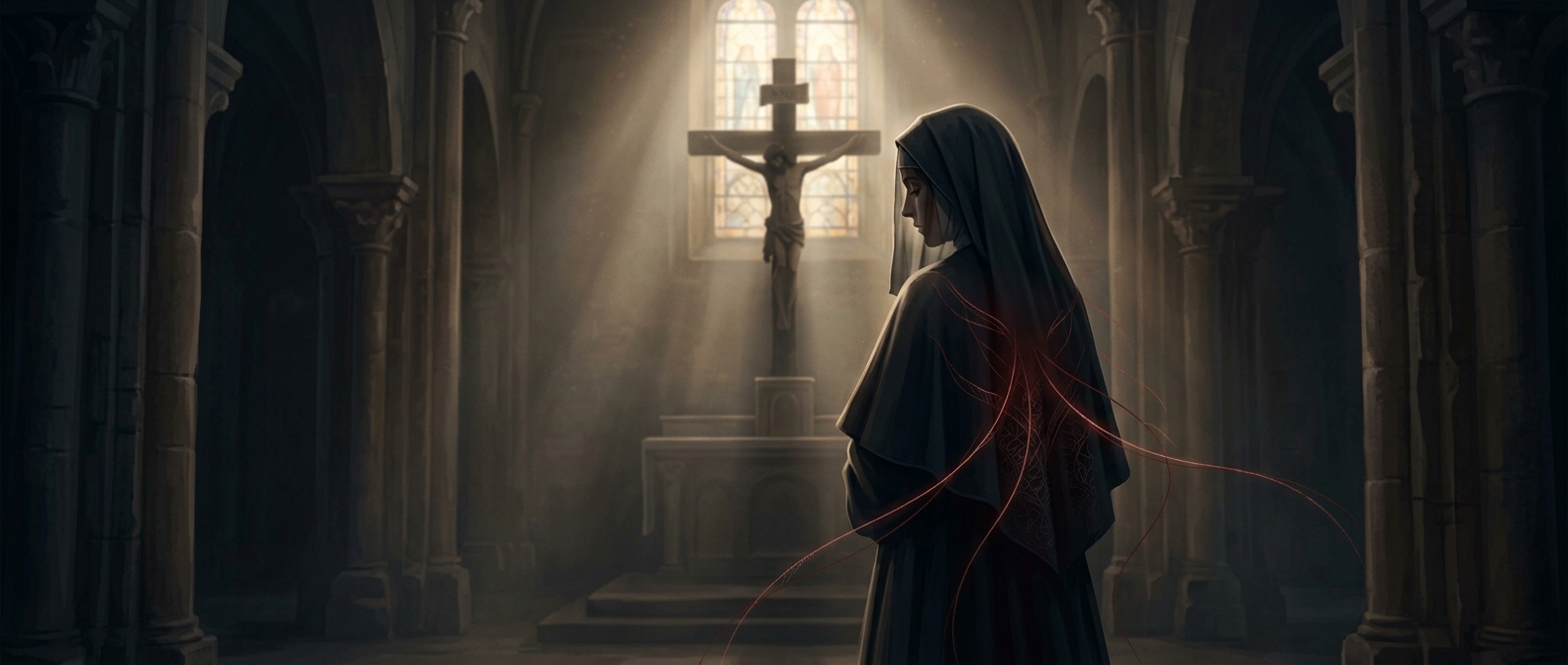
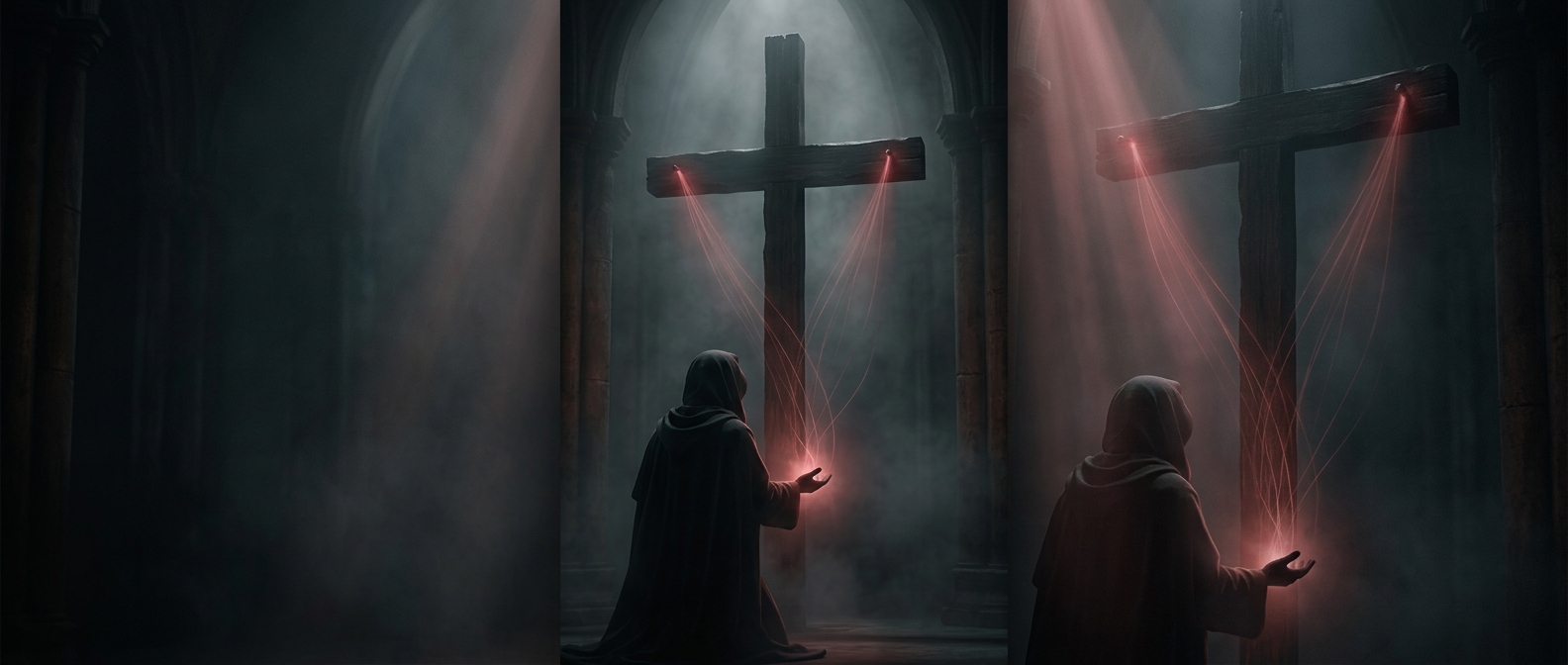
Stigmata are reported wounds or marks associated with the injuries of Jesus at the crucifixion. In accounts of these experiences, the marks—and the way they are described—can resemble the religious images familiar to the person’s community. That resemblance offers a clue to how spiritual experiences are understood and communicated, even when it does not settle what caused them.
A Shared Visual Language
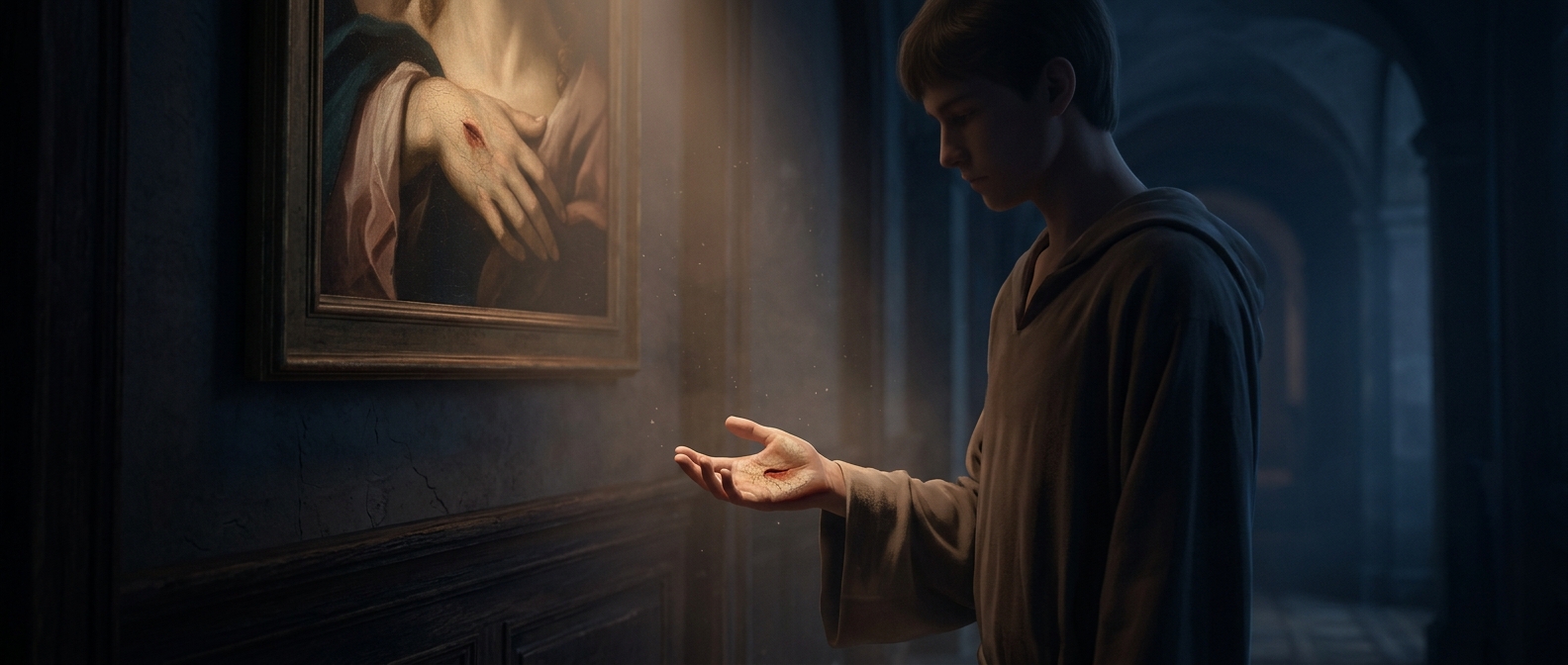
Religious art gives abstract beliefs a recognizable form. A person raised among particular paintings, sculptures, or devotional images may draw on those pictures when interpreting an intense bodily or spiritual experience. The images also give witnesses a vocabulary for describing what they see: familiar details can make an unusual event legible within a shared tradition.
This need not mean that a report is deliberately copied from art. Memory and expectation can shape how people notice, interpret, and recount experiences without conscious planning. At the same time, accounts may be described differently in communities whose sacred images emphasize different details.
What the Resemblance Can—and Cannot—Show
The comparison between local art and accounts of stigmata reveals a cultural pattern: religious experience is often expressed through images people already know. It can help explain why reports are not visually identical across places and periods. But resemblance alone cannot establish whether an experience was supernatural, psychological, physical, or some combination of factors. It shows how a community’s visual world can become part of the way an extraordinary experience is recognized and remembered.