When the Tax Changed the Shape of the Glass
A tax charged by weight made every extra layer of glass costly. For a pane of a given size, thinner glass weighs less, so manufacturers could reduce the tax by using less material. The savings appeared on the bill before the glass ever reached a greenhouse.
But weight was also part of what made a pane sturdy. Thin glass was more likely to crack or shatter during handling and use, turning a tax-saving measure into a practical weakness.
The Hidden Cost of a Cheaper Pane
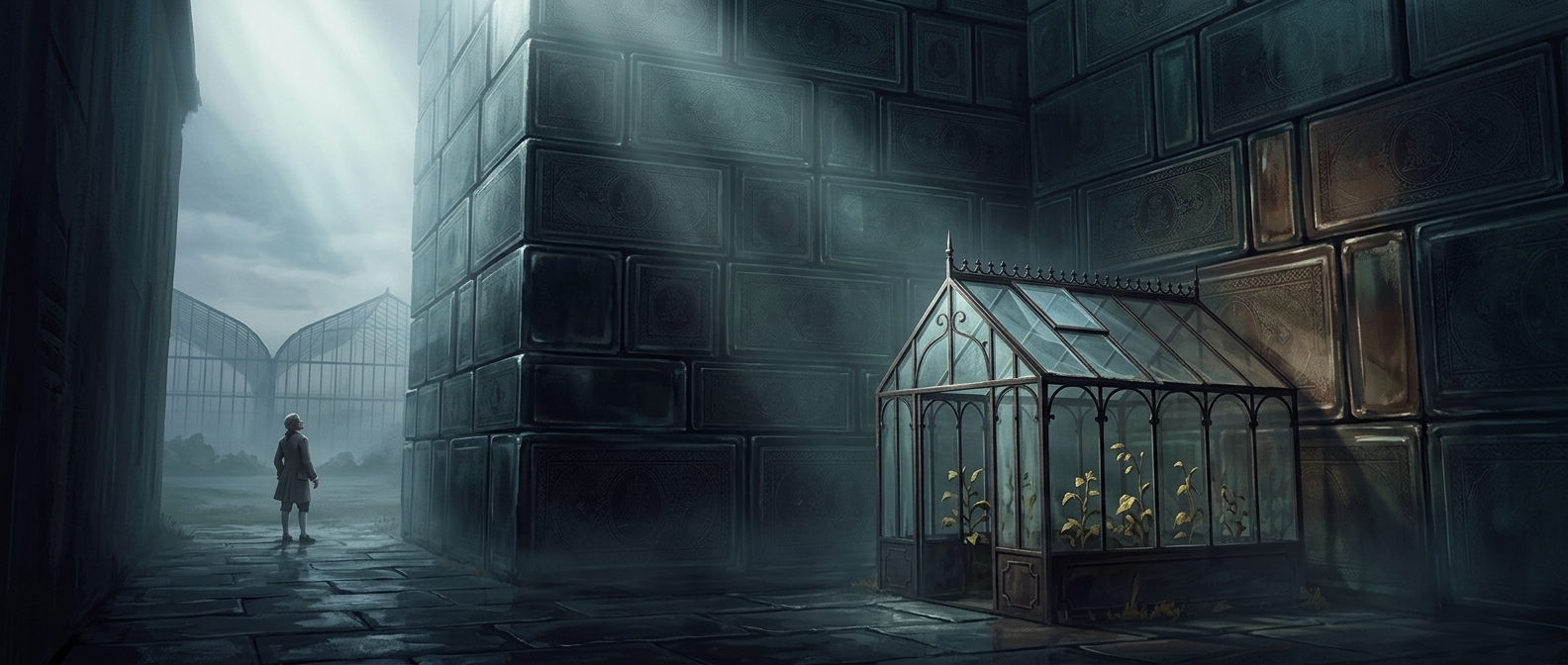
A greenhouse needs many panes, fitted into a frame and exposed to weather and routine upkeep. If the glass breaks easily, owners face replacement costs, interruptions, and the continuing expense of keeping the structure intact. Builders, meanwhile, must account for the risk of fragile glazing rather than treating each pane as a durable part of the building.
That meant the tax did not simply make glass cheaper or more expensive. It encouraged a version of glass that cost less to produce and tax, but could cost more to live with. Those added risks and upkeep helped put greenhouses beyond the reach of many people—even when manufacturers had responded to the tax by using less glass per pane.