Why a first-day burn can derail a beach trip
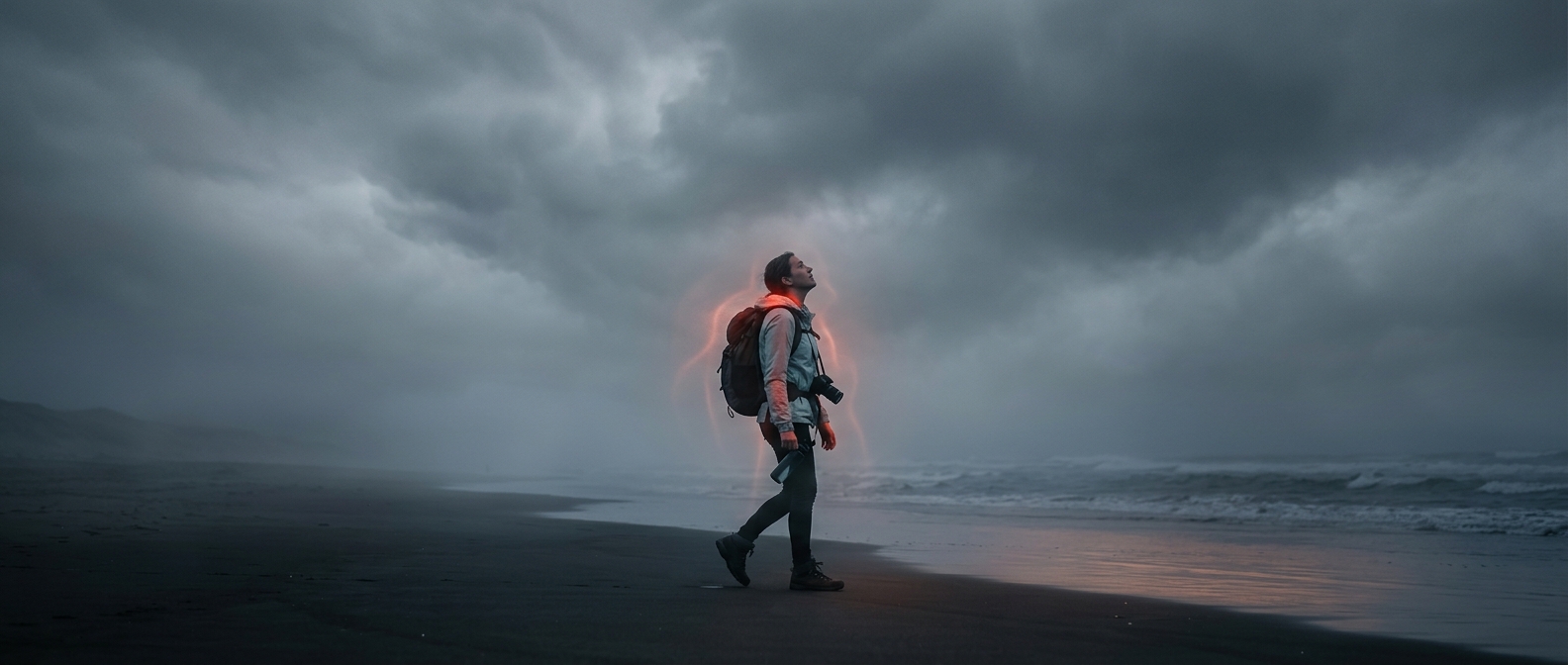
Sunburn is an inflammatory response to ultraviolet (UV) radiation damaging skin cells—not simply a surface that got too warm. UVB rays are a major cause of the visible burn, while UVA rays also reach the skin and contribute to damage. Because the reaction takes time to build, skin can look merely pink at first and become much more painful later, after the day outdoors is over.
The damage keeps making itself felt
As injured cells release signals that widen nearby blood vessels and draw in immune activity, the skin turns red, feels hot, and may swell or blister. Pain can make ordinary holiday plans—walking, swimming, or sleeping against a sunburned shoulder—uncomfortable. The redness often becomes most noticeable hours after exposure, so leaving the beach before it appears does not mean the skin escaped harm.
A tan is not a protective reset: it is also a response to UV exposure, and it offers only limited protection. Repeated burns add to cumulative skin damage, so the practical aim is to prevent the first one rather than chase color on the strongest-sun hours.
Small habits protect the rest of the stay
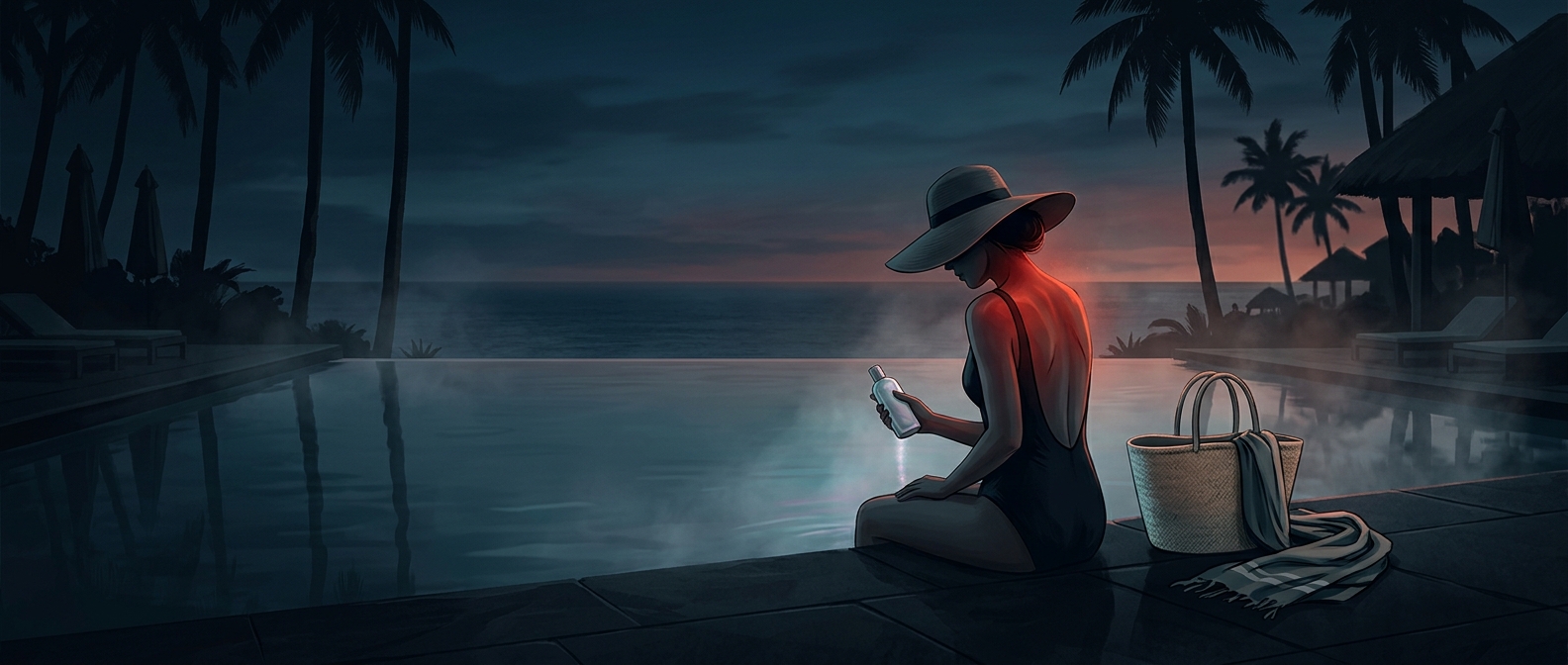
Shade, covering clothing, and broad-spectrum sunscreen—a product designed to protect against both UVA and UVB—reduce exposure in different ways. Sunscreen works best as one layer of protection, reapplied after swimming or sweating and according to its label. If a burn does happen, cooling the skin and avoiding further sun can make recovery more manageable; extensive blistering or feeling unwell warrants medical attention. A few minutes spent covering up can preserve days of the trip.