Why a gray sky can still burn skin
Clouds dim the sunlight people see, but brightness and ultraviolet exposure are not the same thing. Sunburn is caused mainly by ultraviolet B (UVB) radiation, which can pass through many cloud layers. How much gets through depends on cloud thickness and coverage, so an overcast sky may reduce exposure without eliminating it.
That mismatch can make a cloudy day deceptive. With less visible light and less warmth reaching the ground, it may feel as though the sun is weak. But exposed skin can still accumulate enough UVB to burn, especially during a long stretch outdoors.
The practical check is UV, not sunshine
The UV index estimates how intense the sun’s ultraviolet radiation is at the surface. Checking it gives a better guide to burn risk than judging by whether the sky looks bright. When the index is high, shade, protective clothing, a hat, and sunscreen can still matter even if clouds hide the sun.
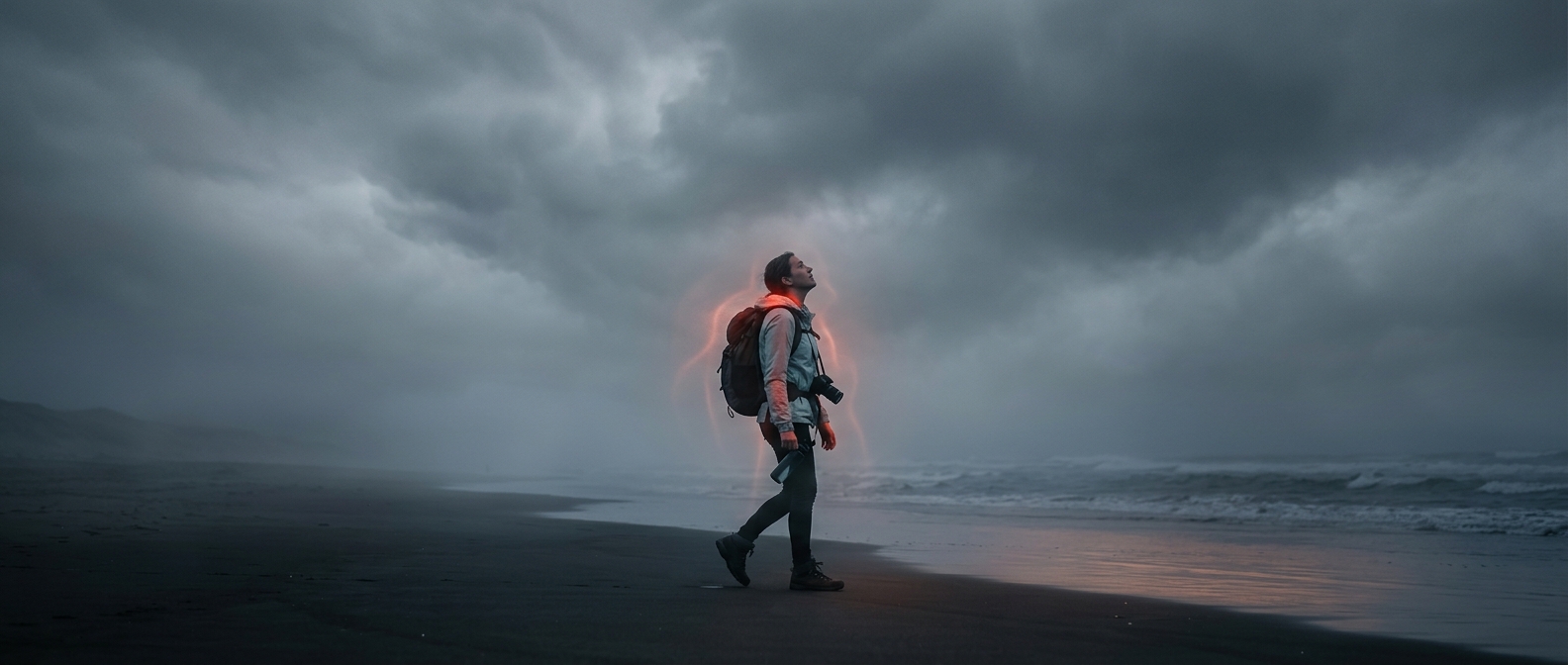
Cloud cover changes the light you notice more reliably than it removes the radiation that can injure skin. On a cloudy beach or hiking trail, the lack of glare is not a dependable signal to let your guard down.