A poison sold as a way out
In seventeenth-century Italy, stories gathered around Aqua Tofana, a poison associated with Giulia Tofana and a network of women who supplied it to wives seeking to kill their husbands. The women were described as trapped in violent marriages, where leaving could be socially ruinous or practically impossible. Poison offered a secret alternative to confronting a husband who controlled the household.
How the scheme worked
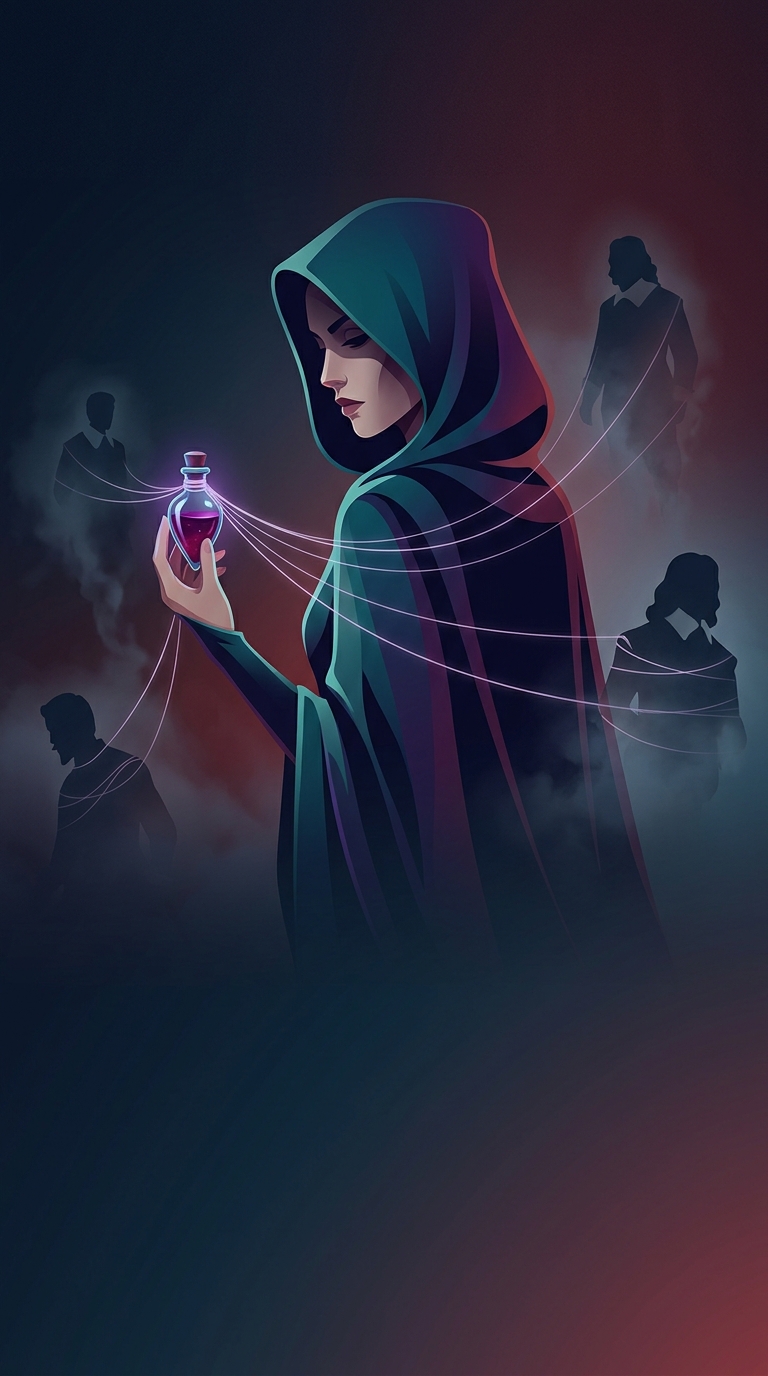
Aqua Tofana was reportedly sold in small, ordinary-looking containers and passed from woman to woman. Its reputation rested on being difficult to detect: a wife could add a dose to food or drink without an obvious change in taste or smell. Repeated doses could make a death look like an illness rather than an attack, giving the buyer time to avoid suspicion.
The method depended as much on discretion as on chemistry. Sellers had to reach customers quietly, explain how to use the poison, and keep the exchange hidden from husbands and authorities. That made the network—and the trust among women within it—central to the story.
The limits of the legend
Later accounts credit the poison with helping hundreds of wives, but the surviving record does not establish a reliable count or every detail of how the operation ran. The enduring story is less a precise tally than a portrait of the severe limits placed on women’s choices: for some, a concealed bottle seemed to offer control over an otherwise dangerous marriage.