The finish line moves after a loss
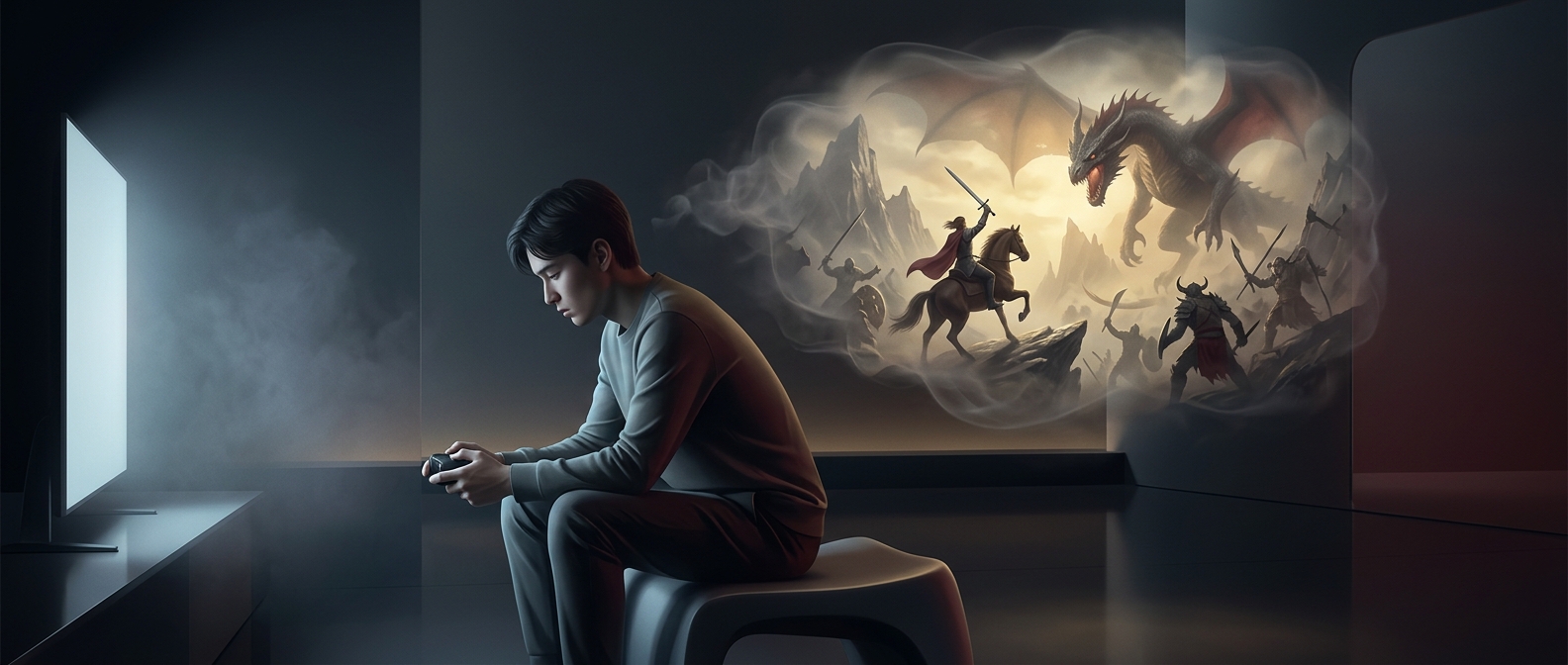
A player may begin with a simple stopping rule: quit once the next win arrives. But that rule makes the decision to stop depend on an outcome the player cannot control. After a loss, the hoped-for win still feels like unfinished business, so another round seems like the quickest route to a satisfying ending.
That can create a loop. Each loss raises the emotional appeal of winning back ground, while the next match offers a fresh chance. The time already spent playing can add pressure, too: stopping now may feel like accepting that those earlier rounds ended badly. Yet past results do not make a win in the next round more likely; they mainly change how much the player wants one.
Why “one more” is easy to say
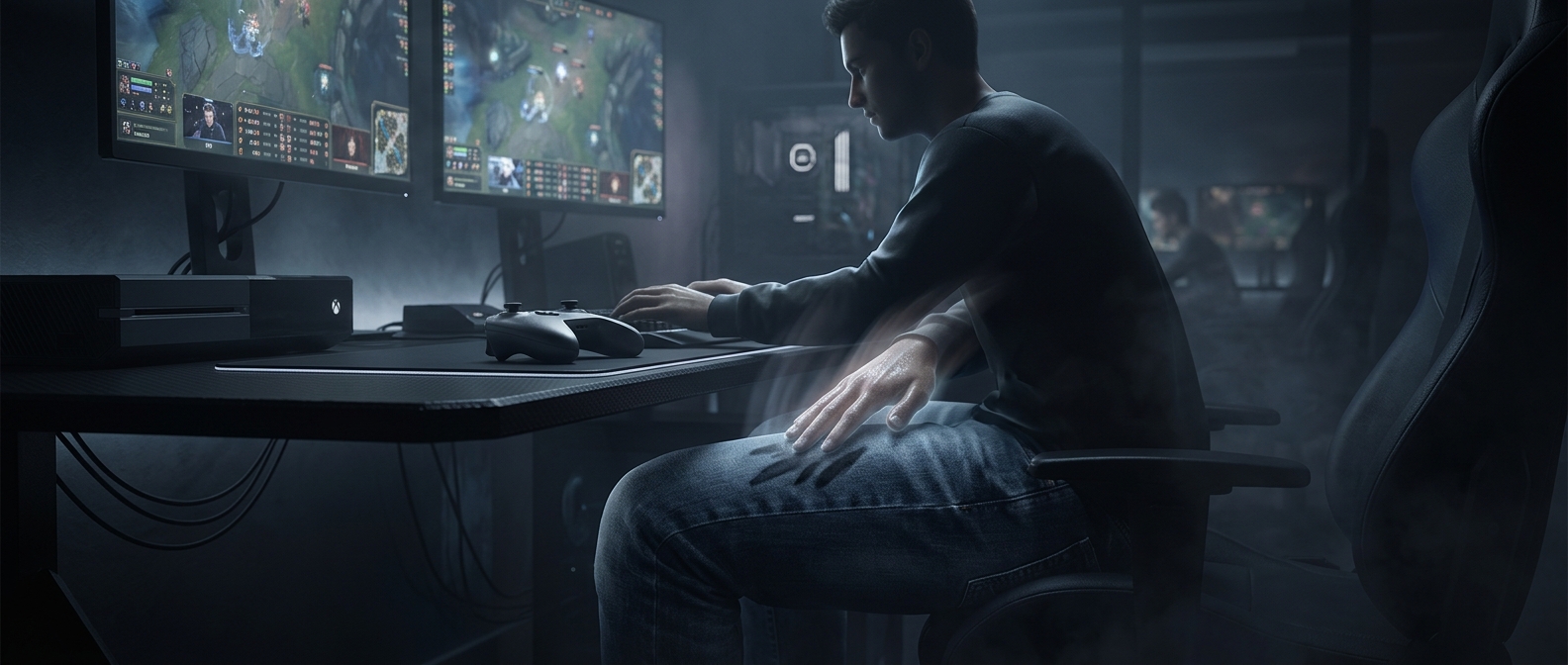
Games often make another attempt convenient. A rematch can begin with little delay, and a round may feel too brief to justify stopping before trying again. When the player is close to a personal goal—ending on a win—the next game becomes a tempting final step. If it goes badly, the same goal remains, and the finish line shifts forward again.
The cycle is not limited to competitive games. Any activity with repeated attempts and uncertain outcomes can make a desired result feel just one try away. A useful pause is to decide whether to stop based on the time available or the enjoyment of playing, rather than on whether the last result was a win. Otherwise, “the last game” can keep being postponed until the night is nearly over.