A pause turns a blur into a set of choices
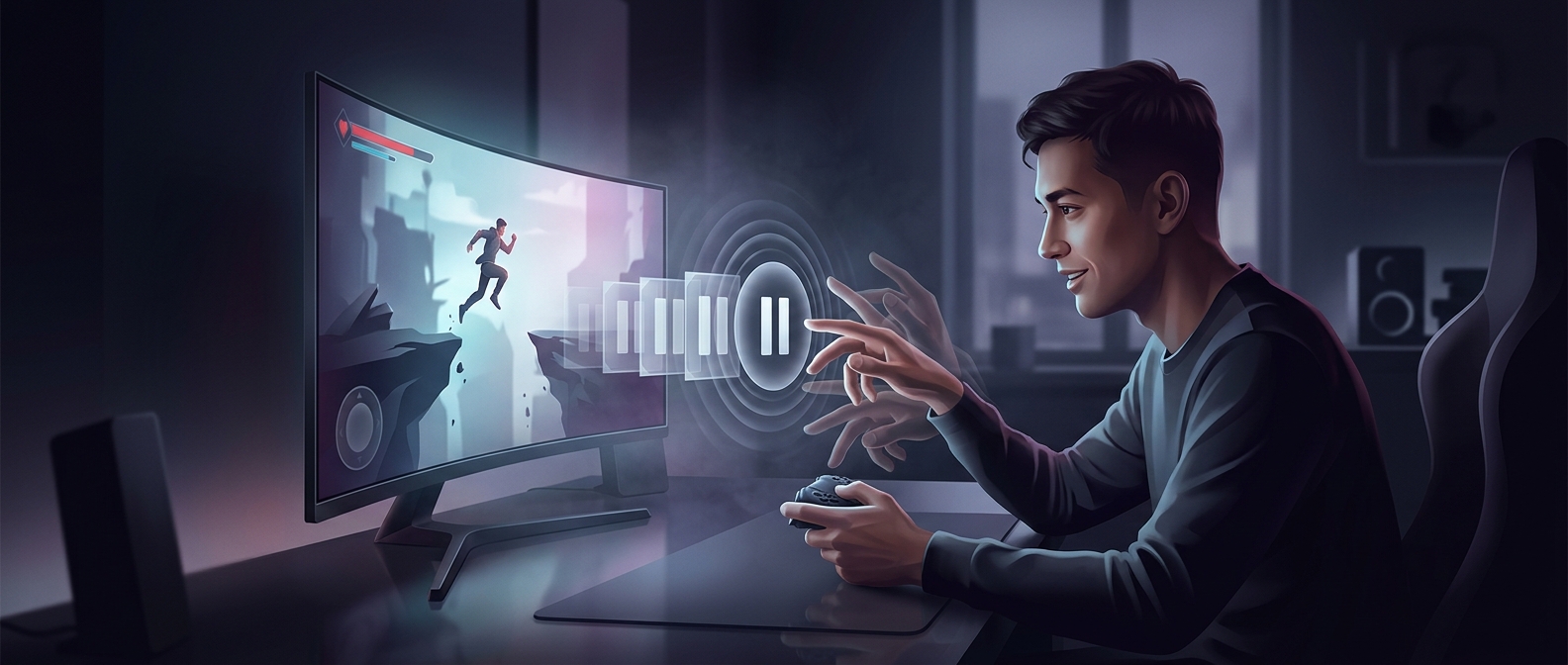
When enemies arrive from several directions, a player has to track movement, judge distance, and choose an action while the game clock keeps running. Those demands compete for attention. Pausing cuts off the stream of new events, giving the player time to inspect the scene and decide what to do next.
That change can feel like a strategy in itself. The pause does not defeat an enemy, but it shifts the player from reacting to planning: Which threat is closest? Is there a way out? Which ability or item is worth using? Even a brief interruption can make a crowded screen feel more legible.
The pause menu becomes part of the game’s rhythm
In a game that freezes the action, pausing is a powerful tool because the player can think without paying for every second spent thinking. In games where the world continues, or where pausing is unavailable, that same habit may not help; the player must make decisions under pressure. The rules determine whether a pause is a genuine tactical break or only a momentary breath.
The sense of control comes from having time to choose, not from removing the danger. When play resumes, the enemies are still there—but the player returns with a plan instead of facing the whole swarm as one overwhelming blur.